Introduction
Flashlights remain a core product in industrial, safety, retail and project markets. For importers, wholesalers and contractors, buying the right flashlight range requires balancing technical performance, certifications, supply-chain risk and margin potential. This guide summarizes the key specifications, sourcing considerations, compliance requirements and procurement checkpoints to help B2B buyers evaluate flashlight offerings efficiently.
Why the right flashlight spec matters for B2B buyers
Unlike consumer impulse buys, B2B flashlight purchases are driven by application fit, lifecycle cost and regulatory compliance. Choosing the wrong model can increase returns, generate warranty claims, or leave projects non-compliant. Prioritize functional performance (lumen output, beam pattern, runtime), durability (IP, impact rating, materials) and documented test results that support resale and project use.
Common flashlight types and their primary markets
Select models that match the end-use. Each type has different selling points and margin opportunities.
- Handheld/EDC (everyday carry) — Compact, pocketable units for retail and corporate gifting.
- Tactical — High output, strobe modes and weapon-attachable designs for security, law enforcement and military contracting.
- Worksite/Industrial — Rugged, long runtime and high IP/impact ratings for construction, maintenance and utilities.
- Headlamps — Hands-free illumination for miners, industrial technicians and outdoor contractors.
- Penlights & Inspection — Narrow-beam units for medical, electronics inspection and HVAC diagnostics.
- Explosion-proof / ATEX — Certified for hazardous atmospheres (oil & gas, chemical plants).
Key technical specifications to evaluate
Focus on measurable, testable specs and ensure the supplier can provide test data and measurement methodology.
Lumens and useful output
Lumens measure total light output. For buyers, compare real-world useful light: peak lumens and sustained output at thermal equilibrium. Beware of inflated initial lumen claims without runtime curves.
Beam distance and pattern
Beam distance (meters) and candela indicate throw performance. Flood vs throw: choose floodier optics for worksite illumination and floodlights; long-throw beams for search, rescue and security applications.
Runtime and power curve
Runtime should be provided at specified mode(s) and include any step-down behavior as the driver reduces power to manage heat. Look for runtime at both high and medium settings and standardized test conditions.
Color temperature and CRI
Color temperature (CCT) affects visual comfort and color rendering. For inspection tasks, higher CRI (≥80) is often important. For tactical or search uses, CCT between 5000K–6500K improves perceived brightness; for close-up work, warmer tones may be preferred.
Thermal management and driver quality
A well-designed driver and heat sink prevent early lumen drop and extend LED life. Ask for evidence of thermal testing and specifications for sustained output at ambient working temperatures.
Optics and lenses
PC lenses, TIR optics, and glass lenses offer different trade-offs in weight, beam uniformity and scratch resistance. For high-end lines, consider anti-reflective coatings and shatterproof materials.
Waterproofing and ingress protection (IP)
IP ratings are crucial: IP54 for dust/splash resistance, IP65/66 for dust-tight and strong water jets, IP67 for temporary immersion, IP68 for continuous immersion. Specify required IP for intended use cases.
Impact and drop rating
Drop ratings (e.g., 1m, 2m) indicate durability. For jobsite tools, look for 1.5–2m or higher impact protection and materials that resist deformation on impact.
Power sources: batteries and charging
Battery chemistry and availability affect operating cost, logistics and shipping regulations.
- Primary cells (alkaline, lithium CR123A): lower initial cost, simple logistics, but recurring replacement expense.
- Rechargeable cells (NiMH, Li-ion 18650, 21700): better TCO, high energy density. Li-ion requires attention to charging hardware and UN38.3 documentation for transport.
- Integrated rechargeable (USB, USB-C): convenient for end-users and retail appeal; ensure charging circuit safety and include overcharge/short-circuit protection specs.
Ask suppliers for battery cycle-life tests, self-discharge rates for stock management and sample battery availability for after-sales replacement.
Materials, finishes and ergonomics
Housing materials—aircraft-grade aluminum, stainless steel or engineering plastics—affect weight, corrosion resistance and cost. Anodized finishes (Type II/Type III) improve scratch and wear resistance. For handhelds, consider knurling, bezel design and overall ergonomics for user comfort in heavy-use applications.
Certifications and regulatory compliance
Different markets require different documentation. For global trade, confirm what the supplier can provide.
- CE (EMC, LVD) for EU markets
- RoHS for restricted substances compliance
- FCC for devices with wireless charging or Bluetooth in the US
- UN38.3 and IATA/ICAO for transporting lithium batteries by air
- ATEX/IECEx for explosion-proof requirements
- UL/CSA where required by specifications or large institutional buyers
Request copies of test reports, not just certificates, and verify the scope and issuance dates.
Sourcing considerations: MOQ, lead times, pricing drivers
Understand what drives unit price and what levers you can use.
- MOQ: Typical MOQs vary—1,000–5,000 units for standard consumer-style models, smaller MOQs (100–500) may be possible for custom or high-unit-value specialty items.
- Pricing drivers: LED binning, driver complexity, battery type, optics, metal machining vs plastic tooling, and certifications all increase costs.
- Lead times: Standard OEM runs often require 6–12 weeks; certified and customized products may need 12–20+ weeks including testing.
- Sample policy: Request engineering samples to validate performance and packaging before committing to production runs.
Customization and OEM/ODM options
B2B buyers frequently request branding and functional customizations. Evaluate supplier capabilities:
- Logo laser etching, custom packaging and user manuals
- Tailored beam profiles, driver programming and UI modes
- Accessory options: holsters, magnetic bases, diffusers
- Private labeling and SKU management for distributors
Quality assurance: tests you should expect
Insist on documented QA processes and test results. Key tests include:
- Luminous flux measurement (integrating sphere) with test reports and test conditions
- Thermal cycling and sustained output tests
- IP and water ingress testing
- Drop and impact testing
- Battery safety and charging circuit tests (overcharge, short-circuit, thermal runaway protection)
- EMC testing if the product contains electronics beyond the LED driver
- AQL sampling plans and production run inspection reports
Logistics, packaging and retail readiness
Packaging affects retail shelf-appeal and transport protection. For distributors consider:
- Retail vs bulk packaging options and their costs
- Barcoding, multilingual manuals and warranty cards tailored to target markets
- Battery shipping constraints (separate battery shipping vs installed)
- Warranty terms and availability of spare parts or repair service
Procurement checklist: questions to ask suppliers
Use this checklist during RFIs/RFPs to compare suppliers objectively.
- Can you provide lumen, candela and runtime test reports with test conditions?
- What LED chips and driver ICs are used? Can we review component datasheets?
- What is the IP and drop rating? Provide test certificates.
- Which battery chemistries are supported and what shipping documentation do you provide?
- What are MOQ, lead times, tooling costs and sample policies?
- Do you support OEM/ODM branding, packaging and custom firmware/modes?
- What certifications and test reports can you supply (CE, RoHS, UN38.3, ATEX, UL)?
- What warranty terms do you offer and what is your after-sales service process?
- Do you run burn-in and aging tests? What is your AQL for production?
Recommended specification templates by application
Below are sample spec ranges to use as starting templates for quoting and supplier evaluation.
Industrial Worksite Flashlight (maintenance/utility)
- Lumen output: 800–2,500 lm
- Beam pattern: medium flood with secondary throw for inspections
- Runtime: 3–8 hours at medium; over 1 hour at high
- Power: Rechargeable 18650/21700 or integrated USB-C
- Durability: IP67, 2m impact rating
- Material: Type III hard-anodized aluminum
Search & Rescue / Tactical
- Lumen output: 1,500–4,000 lm
- Beam distance: 250–1,000+ m depending on reflector
- Modes: high, medium, low, strobe, SOS
- Power: High-drain Li-ion (21700 or multiple 18650)
- Durability: IP68 preferable; high impact rating, MIL-STD 810 where required
Inspection Penlight
- Lumen output: 50–300 lm
- Beam: narrow spot with pen form factor
- Power: AAA or AA or built-in Li-ion depending on ergonomics
- Durability: IP54–IP65, depending on industry
- CRI: ≥80 for color-critical inspections
Evaluating cost vs total cost of ownership (TCO)
Beyond unit price, include battery replacements, chargers, returns, warranty handling and expected life in margin calculations. Rechargeable models often provide better TCO for institutional buyers; for retail, single-use batteries may simplify supply chains but increase consumer cost and returns.
How JECTE can help
As a lighting manufacturer and industrial supply partner, JECTE supports global buyers with OEM/ODM capabilities, compliance documentation and production quality control. We offer engineering samples, customized branding and packaging, and pre-shipment inspections. If you need spec templates, compliance reports or MOQ/lead-time details for specific flashlight families, JECTE can supply datasheets, test reports and pilot samples to accelerate your procurement process.
Conclusion and next steps
Successful flashlight sourcing for importers, distributors and contractors combines clear specification, verified test data, and supplier due diligence. Use the templates and checklist above to standardize RFIs and compare offers on an apples-to-apples basis. Contact prospective manufacturers for samples, request full test reports and confirm logistics constraints before placing production orders to minimize risk and ensure a reliable product for your market.
For a tailored quote or to request engineering samples and compliance documents, contact JECTE’s B2B team to discuss specifications, MOQ and lead times for your target markets.
Related Products
Explore related products from JECTE for your next sourcing project.
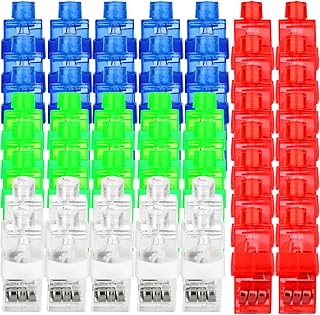 60Pcs LED Finger Lights Flashlights for Kids Glow Party Favors Birthday Christmas Halloween Supplies
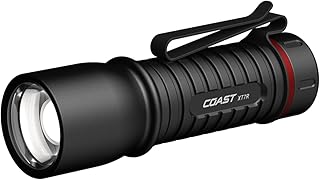 XT7R 1500 Lumen Rechargeable LED Flashlight with Magnetic Mount, Slide Focus, and Pocket Clip, Black
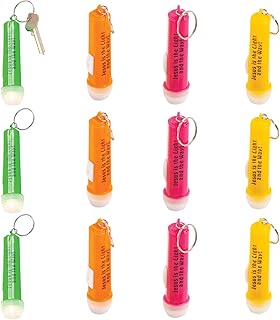 Express Jesus is The Light Flashlight Key Chains (Set of 12) Religious Party Supplies - VBS 2026 Vacation Bible School Supplies/Decor
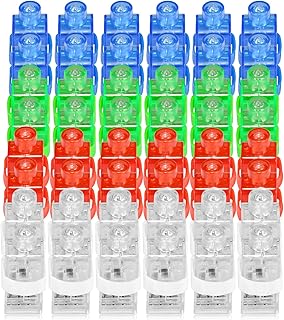 CADE ELECTRONIC Finger Lights- 50Pcs Finger Flashlights for Kids-Bachelorette Party Favors - Party Supplies for Parties Cheering Novelty Toys for Kids, Adult