Introduction
For global buyers—importers, wholesalers, distributors and project contractors—sourcing the right flashlight range requires technical understanding, regulatory awareness and clear commercial processes. This guide distills the practical factors that determine product suitability, compliance, cost and long-term supply performance so you can select flashlight products that meet market needs, reduce risk and maximize margins.
Key technical specifications: how to evaluate performance
Buyers must translate marketing claims into comparable specifications. Use these core metrics when evaluating samples and supplier datasheets.
Lumen output
Lumens measure total visible light emitted. Specify a realistic lumen range for the end market: everyday carry (EDC) 100–800 lm, tactical/utility 600–2,500 lm, and search/industrial 2,500+ lm. Beware of peak or boost modes that exaggerate continuous usable output.
Beam intensity and distance (candela)
Candela indicates peak beam intensity; it determines how far the beam throws. For applications like search, security or inspection, candela and advertised beam distance are more important than lumens alone. Check ANSI/NEMA FL1 beam distance values when provided.
Runtime and runtime standards
Runtime should specify the measurement method: many manufacturers quote until output drops to 10% or until the light drops to a regulated level. Compare run-times at specific output modes and note whether runtime assumes fresh batteries or fully charged Li-ion cells.
Batteries and charging
- Disposable: AA/AAA, CR123A — useful for remote or non-technical markets.
- Rechargeable: NiMH, Li-ion (18650, 21700) — higher energy density, preferred for professional use.
- Integrated rechargeable: USB-C charging is becoming standard; look for protected cells and charging ICs with safety features.
Consider cell type compatibility, protected cell requirements, and whether spare batteries are expected in your market.
Optics and lens
Lens and reflector design determine beam pattern: TIR optics produce tight, efficient beams; textured reflectors give balanced flood; smooth reflectors maximize throw. Material and coatings affect optical clarity and scratch resistance.
Materials, construction and finish
Aluminum alloys (6061, 7075) are common for durable bodies; polycarbonate and engineering plastics reduce cost and weight for consumer ranges. For industrial/tactical products, request Type III hard anodizing (HA III) for abrasion resistance.
Thermal management and driver quality
High-output LEDs require proper heat sinking and a well-designed electronic driver. Assess for thermal throttling, over-temperature protection and consistent output across temperatures.
Durability: impact and ingress protection
Look for IP ratings and impact specifications. Common targets: IPX4 for splash resistance, IPX7/IP68 for temporary submersion or full dust/water protection. Impact resistance is often quoted as a drop height (e.g., 1–3 meters) or by MIL-STD-810 drop testing.
Standards and certifications buyers must verify
Regulatory compliance affects market access and shipment. Confirm certificates and testing documentation before committing to volume orders.
Product performance standards
- ANSI/NEMA FL1: standardized test methods for lumens, runtime, beam distance and ingress protection. Many professional buyers require FL1 test reports.
- IEC standards: relevant for electrical safety and performance testing in global markets.
Electrical, safety and environmental compliance
- CE (EMC and LVD) for EU market access.
- RoHS for hazardous substances.
- FCC for products with RF emissions (e.g., Bluetooth-enabled flashlights).
- UL/ETL may be required for specific North American channels.
Battery and transport regulations
Rechargeable Li-ion cells are regulated under UN38.3 testing for air and sea transport. For air shipments you must follow IATA/ICAO packing instructions and labeling (UN3480/UN3481). Some freight forwarders require additional documentation and approvals for batteries packed with or contained in equipment.
Hazardous atmospheres
For oil & gas, mining and petrochemical customers, request ATEX or IECEx certification for intrinsically safe or explosion-proof flashlights.
Sourcing and manufacturing considerations
Select suppliers that combine product capability with reliable manufacturing and quality systems.
OEM vs private label
Decide whether you need off-the-shelf SKUs, co-branded products or fully customized designs. Customization may include branding, packaging, firmware, beam profile and accessory kits. Expect longer lead times and higher tooling costs for custom optics or housings.
Minimum order quantities and lead times
MOs vary widely. Consumer-grade plastic models can have lower MOQs; high-grade aluminum tactical lights and customised products typically require higher MOQs. Confirm realistic lead times including prototyping, pre-production samples, production and testing—budget extra time for battery approvals.
Quality control and acceptance
- Define acceptable quality levels (AQL) for incoming inspections.
- Insist on sample qualifications and production line process control (e.g., in-line testing, burn-in procedures).
- Request FL1 test reports, thermal cycling, vibration and drop tests for professional products.
Packing, labeling and retail requirements
Specify packaging formats (bulk, blister, retail-ready), multilingual labels, user manuals and barcodes (EAN/UPC). For distributor channels, consider single-unit retail packaging plus display-ready bulk cartons.
Logistics and lithium battery shipping: practical rules
Battery logistics often determine the most cost-effective fulfillment method and may impose additional handling costs or routing constraints.
Shipping modes and restrictions
- Air freight: fastest but most restrictive for lithium batteries; follow IATA PI and documentation requirements.
- Sea freight: often preferred for bulk Li-ion containing products, but longer transit times and port handling considerations apply.
- Road and rail: may be simpler domestically but still subject to ADR and local regulators.
Packing declarations and labeling
Every shipment with lithium batteries typically needs UN numbers, proper shipping name, hazard labels and documentation (test summaries, MSDS). Work with freight forwarders experienced in battery shipments to avoid delays and fines.
Market segments and product mapping
Match product features to end-user needs. This assists catalogue planning and distributor segmentation.
- EDC (everyday carry): compact, rechargeable, 100–800 lm, USB-C, consumer packaging.
- Tactical/security: 1,000–3,000+ lm, strike bezels, tail switches, weapon mounts, ruggedized finishes.
- Industrial/maintenance: flood or adjustable beams, long runtime, magnetic bases, tool-kit integration.
- Search & rescue / professional: very high output, long throw, durable optics, multi-battery options.
- Explosion-proof: ATEX/IECEx certified for hazardous environments.
- Marine & diving: IP68-rated housings, corrosion-resistant materials, specialized seals.
Commercial terms, pricing and margins
Price is driven by LED binning, driver complexity, battery chemistry, materials and certifications. Expect higher costs for integrated Li-ion, USB-C fast charging, rugged anodizing and certified testers.
Negotiable terms
- Pricing tiers by volume, milestone payments for custom tooling, and price breaks at common thresholds (e.g., 1k, 5k, 10k units).
- Sample charges and lead times—insist on clear sample policy and whether sample costs will be credited against the first order.
- Warranty and return policies—negotiate reasonable warranty periods (12–36 months depending on category) and RMA handling responsibilities.
After-sales support and lifecycle considerations
After-sales service affects brand reputation and reseller confidence. Build support processes upfront.
Warranty and spare parts
Define warranty scope (electronics, battery, physical wear). Ensure availability of spare parts (batteries, O-rings, clips, chargers) and clear processes for RMAs and repairs.
Technical documentation and training
Provide datasheets, maintenance instructions, and sales training materials for distributors, including test reports and compliance documents required by buyers.
Supplier evaluation checklist
Before issuing a purchase order, verify the following with your supplier:
- FL1/third-party test reports for lumen, runtime and beam distance.
- UN38.3 battery test reports and packing instruction compliance for air freight.
- Certificates: RoHS, CE, (FCC/UL where applicable), ATEX/IECEx for explosion-proof models.
- Sample approval process and pre-production sample availability.
- Production capacity, lead times and MOQ details.
- QC processes: AQL, in-line testing, burn-in, and batch traceability.
- Warranty terms, spare parts availability and RMA procedures.
- Packing, labeling and multilingual manual support for target markets.
How JECTE can support global buyers
As an industrial lighting manufacturer and supply partner, JECTE offers turnkey flashlight sourcing: product design, OEM/private label options, FL1 and UN38.3 testing coordination, and export logistics support. We can provide sample programs, production transparency, and tailored packaging solutions to match distributor and project requirements.
Actionable next steps for buyers
Use this practical sequence when planning a new flashlight range:
- Define target segments and map required specs (lumens, runtime, IP, battery type).
- Request detailed datasheets and FL1 test reports from shortlisted suppliers.
- Order pre-production samples including all accessory types and battery variants.
- Confirm shipping mode and battery documentation with freight forwarders.
- Negotiate MOQ, lead times, payment terms and warranty.
- Plan for spare parts stocking and RMA workflow before first shipment.
Proper specification, compliance verification and supply-chain planning reduce risk and improve time-to-market. If you would like assistance with product selection, custom engineering or a sample program, JECTE can provide technical consultations, compliance support and manufacturing capacity to bring your flashlight range to market.
Related Products
Explore related products from JECTE for your next sourcing project.
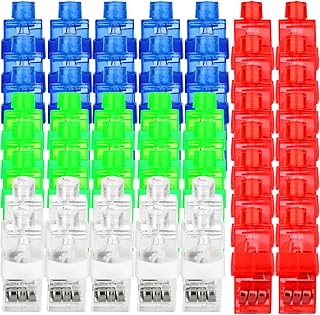 60Pcs LED Finger Lights Flashlights for Kids Glow Party Favors Birthday Christmas Halloween Supplies
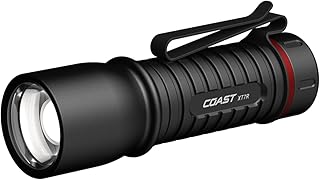 XT7R 1500 Lumen Rechargeable LED Flashlight with Magnetic Mount, Slide Focus, and Pocket Clip, Black
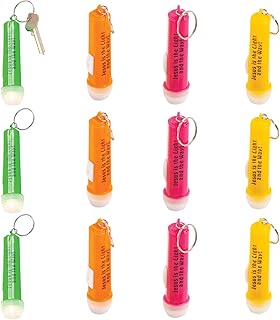 Express Jesus is The Light Flashlight Key Chains (Set of 12) Religious Party Supplies - VBS 2026 Vacation Bible School Supplies/Decor
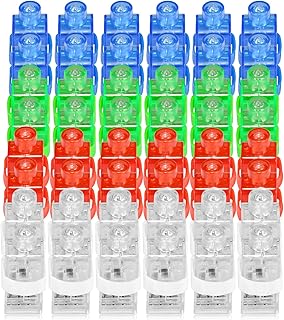 CADE ELECTRONIC Finger Lights- 50Pcs Finger Flashlights for Kids-Bachelorette Party Favors - Party Supplies for Parties Cheering Novelty Toys for Kids, Adult