Introduction: Why a focused flashlight buying strategy matters
Flashlights remain an essential SKU for many markets: industrial work, emergency preparedness, law enforcement, utilities, and outdoor retail. For importers, wholesalers, distributors and project contractors, a clear specification and sourcing strategy reduces returns, ensures regulatory compliance, controls logistics costs, and protects margins. This guide explains the technical, regulatory and commercial factors to consider when buying flashlights at scale, and offers a practical checklist to use when evaluating manufacturers like JECTE.
Key product categories and use cases
Understanding the end use helps you select features that matter to buyers and end users. Common flashlight categories include:
- Compact everyday carry (EDC): small, pocketable lights for consumers and technicians.
- Tactical lights: weapon-mountable or law-enforcement-grade fixtures with tactical tailswitches, strobe modes and high-impact housings.
- Work and industrial lights: high-output, durable lights for construction, utilities and maintenance crews, often with magnetic bases or hands-free accessories.
- Rechargeable lanterns and area lights: for campsites, emergency shelters, and job-site illumination.
- Headlamps and helmet-mounted lights: for hands-free work in mining, utilities, and industrial projects.
Core technical specifications to request
When sourcing, provide exact targets rather than vague terms like “bright” or “durable.” Below are the specifications that most influence performance and buyer acceptance.
Lumen output and beam pattern
Specify both peak lumen rating and useful lumen delivery. Indicate required beam type: focused (throw) for search and rescue, wide flood for close-up work, or a combination beam. Ask manufacturers for measured lumen output and beam distance (in meters) at boost and specified mode.
Runtime and mode profiles
Require runtime curves showing gradual output drop over time and confirm how many modes the lamp has (e.g., high, mid, low, strobe, SOS). Specify idle vs. continuous runtime and at what lumen level the runtime is measured (e.g., 1000 lm until 50% output).
LED and driver technology
Identify LED brand/type (e.g., Cree/Osram/Luminus) and drive circuitry. Request details on thermal management, PWM frequency (to avoid flicker complaints), and mode memory behavior. For longer-lived products, prefer Class-leading LEDs and robust drivers with thermal regulation.
Power source and charging
Clarify battery chemistry and form factor: disposable (AA/AAA, CR123A) or rechargeable (NiMH, lithium-ion 18650/21700). If rechargeable, specify charging method (USB-C, micro-USB, dedicated cradle) and in-country power accessories. Note transport restrictions for lithium batteries (see Compliance section).
Ingress protection and durability
Specify IP rating (IP65, IP67, IP68 as appropriate) and impact resistance/drop rating (e.g., 1m, 2m, 3m). For maritime or coastal projects, require salt-spray resistance and corrosion-proof coatings.
Materials, finish and ergonomics
Common housings are anodized aluminum (6061-T6) for heat dissipation and durability, or reinforced plastics for cost-sensitive markets. Specify knurling, bezel design, anti-roll features, and holster/clip options. Weight and dimensions are critical for EDC and tactical buyers.
Regulatory, safety and shipping considerations
Regulatory constraints can heavily influence sourcing, costs and lead times. Ensure your supplier understands international requirements.
CE, RoHS, REACH and regional approvals
For European markets, require CE marking and RoHS compliance. Confirm materials and components meet relevant chemical restrictions (REACH). For North America, UL certification may be requested for certain products or accessories.
Hazardous location and explosion-proof ratings
If selling into mining, oil & gas or chemical plants, consider ATEX/IECEx certification for intrinsically safe or explosion-proof flashlights. These require special internal designs and testing.
Battery transport and classification
Lithium batteries are regulated by air and sea carriers. Common UN numbers: UN3480 for lithium-ion cells/batteries and UN3090/3091 for lithium metal. Restrictions and packaging requirements under IATA/IMDG can increase freight costs and complicate fulfillment. Consider shipping with battery terminals insulated, cells installed, or shipping batteries separately as per regulations.
Quality control and performance testing
Insist on documented testing so product performance matches marketing claims and reduces returns:
- Lumen and beam tests (integrating sphere and outdoor beam-shot measurements)
- Runtime and thermal regulation tests (continuous run until drop-off)
- IP / water ingress tests (static immersion and spray as per IP rating)
- Drop and vibration testing per agreed heights
- Salt spray/corrosion testing for coastal or marine environments
- EMC testing if the product includes radios or charging electronics
Commercial terms and packaging
Packaging, labeling and logistics affect landed cost and shelf appeal. Define these aspects early in negotiations.
Packaging and branding
Decide between white-label bulk packs, branded retail packaging, or mixed packs. Packaging influences lead times, carton dimensions and pallet optimization. For retail, include UPC/barcodes and multilingual manuals.
Minimum order quantities and pricing factors
MOQ varies by product complexity. Simple flashlight models may have lower MOQs (hundreds), while specialized tactical or ATEX models often require larger runs. Price drivers include LEDs and driver complexity, battery type, housing material, certification costs, and customization (color, engraving, packaging).
Warranty, spare parts and after-sales
Negotiate warranty length (12–36 months typical), return processes, and availability of spare parts (drivers, lenses, O-rings, chargers). For distributors and contractors, a clear RMA process reduces downtime and preserves relationships with end customers.
Customization and OEM options
Many buyers require bespoke features for private label or project specifications. Typical OEM options:
- Custom branding: laser engraving, printed logos, or full-color packaging
- Tailored mode programming and outputs
- Specific battery chemistry or inclusion of battery/charger
- Accessory bundles: holsters, mounts, diffusers, magnetic bases
- Special coatings, colors or materials for environment-specific needs
Logistics, lead times and inventory strategy
Plan inventory and logistics around battery rules, peak seasons, and lead times. Typical lead times for new tooling or customized models can be 8–16 weeks; standard stock models may ship in 2–6 weeks depending on factory load and component availability (notably LED chips and battery cells).
Freight and duty optimization
Consider consolidating SKUs into container loads to reduce per-unit freight and duty. Use bonded warehouses or DDP terms where appropriate to simplify customer fulfillment. Factor in seasonal carrier surcharges and potential air-freight for urgent orders (but remember battery restrictions).
Checklist: Questions to ask potential suppliers
- Can you provide measured lumen and beam-distance reports (integrating sphere / test report)?
- What LEDs, drivers and batteries are used? Can we specify substitutes?
- What IP and impact ratings do you certify? Can you share test certificates?
- Do you provide CE/ROHS/REACH/UL/ATEX/IECEx documentation as required?
- What are your MOQs, lead times, and sample policies (cost and time)?
- What is your standard warranty and RMA process? Are spare parts available?
- How do you handle lithium battery packaging and documentation for air/sea freight?
- Can you support custom packaging, branding, and barcode/translation needs?
- What quality control steps do you perform before shipment, and can we audit or receive inspection reports?
Procurement tips to reduce risk and optimize margin
- Start with a small production sample run to validate performance, packaging, and user feedback before a large order.
- Request third-party lab reports where claims (lumens, IP, ATEX) materially affect resale value.
- Bundle high-margin accessories (holders, batteries, chargers) to increase average order value.
- Plan inventory around battery shipping rules; consider shipping flashlights without cells if faster air transit is required, with cells sent later by compliant channels.
- Negotiate price breaks for multi-model orders and predictable forecast commitments to secure component allocations during shortages.
Why partner with a manufacturer partner like JECTE
For professional buyers, working with an experienced lighting manufacturer simplifies specification, compliance and logistics. A partner should provide transparent test data, configurable OEM options, and practical guidance on battery transport and certifications. Manufacturers with integrated supply chains can reduce lead times, control component quality, and support aftermarket warranty and spare-part supply—critical for distributors and contractors managing large deployments.
Final checklist before purchase
- Confirm measured performance data (lumens, beam distance, runtime).
- Verify required certifications and request certificates.
- Agree on battery handling for transport and customs documentation.
- Approve final packaging artwork, barcodes and manuals.
- Set acceptance criteria, QC sampling plan and RMA terms in the purchase contract.
- Clarify lead times, MOQ, pricing tiers and payment terms.
Well-specified flashlights reduce returns, increase customer satisfaction and protect margins. Use the technical and commercial checklist in this guide to evaluate offers and negotiate terms that match your market needs. If you need assistance defining a specification or evaluating supplier test data, JECTE can support buyers with product engineering, compliance guidance and scalable manufacturing for industrial and retail flashlight ranges.
Related Products
Explore related products from JECTE for your next sourcing project.
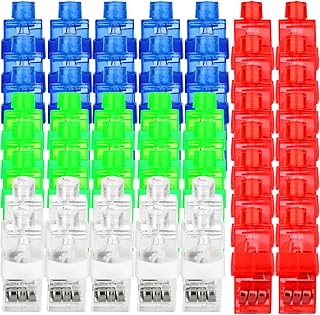 60Pcs LED Finger Lights Flashlights for Kids Glow Party Favors Birthday Christmas Halloween Supplies
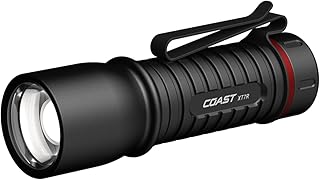 XT7R 1500 Lumen Rechargeable LED Flashlight with Magnetic Mount, Slide Focus, and Pocket Clip, Black
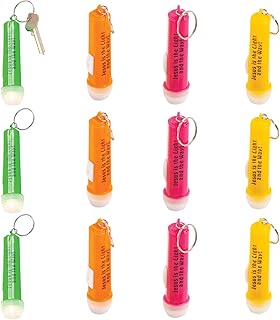 Express Jesus is The Light Flashlight Key Chains (Set of 12) Religious Party Supplies - VBS 2026 Vacation Bible School Supplies/Decor
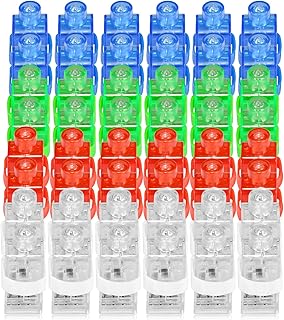 CADE ELECTRONIC Finger Lights- 50Pcs Finger Flashlights for Kids-Bachelorette Party Favors - Party Supplies for Parties Cheering Novelty Toys for Kids, Adult