Introduction: Why a focused flashlight buying guide matters
Flashlights are simple by design but complex in specification and certification when purchased at scale. For importers, wholesalers, distributors and project contractors, selecting the right flashlight portfolio affects safety, warranty costs, customer satisfaction and margins. This guide focuses on what matters most to B2B buyers: technical specs, regulatory requirements, supply-chain considerations, quality assurance, and options for customization and after-sales support.
Understand the core performance specs
Start by evaluating product performance using standard, comparable metrics. Use the ANSI/NEMA FL1 standard where possible to avoid marketing-driven confusion.
Key FL1 metrics
- Lumen output: Total light emitted. Important for positioning products (EDC, tactical, floodlight).
- Beam distance: How far the light reaches (measured in meters). Critical for security, search and rescue, and outdoor projects.
- Runtime: Duration the light produces usable output at a specified mode before dropping to a threshold.
- Peak beam intensity (candela): Related to beam distance; tells how focused the beam is.
- IP rating: Ingress protection against dust and water (IP54, IP65, IP68). Choose based on intended use—industrial and marine often require IP67/IP68.
- Impact resistance: Often expressed in meters (e.g., 1m, 2m) or through military ratings like MIL-STD-810G.
Select the right product types by target market
Match flashlight types with buyer channels and end-use segments. Each segment has different price points and feature priorities.
Common market segments
- Everyday Carry (EDC): Compact, stylish, medium-lumen, USB rechargeable. Focus on size, finish, and packaging.
- Tactical & law enforcement: High output, strobe mode, durable switch, weapon-mount compatibility, and MIL-STD ratings.
- Industrial & construction: Robust housings, long runtime on low modes, high IP rating, and easy maintenance (battery access).
- Search & rescue / public safety: High beam distance, multiple power options, long runtime, and accessory compatibility (filters, sirens).
- Marine & mining: Corrosion-resistant materials, ATEX/intrinsically safe options, and high IP ratings for wet environments.
Battery chemistry & charging systems
Battery choice affects unit cost, runtime, charging logistics, and after-sales service. Understand typical options and their trade-offs.
Battery types
- Disposable alkaline (AA/AAA): Low cost, familiar supply chain. Good for inexpensive giveaways or low-duty EDC lights.
- Li-ion rechargeable (18650, 21700, 18350): High energy density, best runtime-to-weight. Requires charging protocols and safety protections.
- Proprietary battery packs: Offer form-factor advantages but increase aftermarket complexity and replacement costs.
Charging options
- Integrated USB (micro-USB, USB-C): Simplifies user experience; USB-C preferred for faster charging and future-proofing.
- External chargers: Allow faster bulk charging in workshop environments; consider compatibility and spare-charger availability.
- Field charging and power banks: For contractors and rescue teams, support for power-bank charging is valuable.
Durability, materials and environmental ratings
Durability aligns with use-case. Materials, coatings and mechanical design affect lifecycle costs and warranty claims.
Materials & finishes
- Aluminium alloys (6061-T6, 6082): Lightweight and rugged; common in mid- to high-end flashlights.
- Stainless steel or brass bezels and pins: Used where corrosion resistance is needed.
- Coatings: Hard-anodized finishes (Type III HA) increase abrasion resistance for tactical and industrial models.
Environmental & mechanical standards
- IP ratings (IP54–IP68) for water and dust ingress protection.
- MIL-STD-810G for shock, vibration and temperature extremes is often requested by government and defense buyers.
- ATEX / IECEx and intrinsically safe certifications for explosive atmospheres (mining, petrochemical).
Certifications, compliance and testing
Regulatory compliance reduces risk when entering new markets. Buyers should request evidence and factory test reports with shipments.
Common certifications
- CE and RoHS for EU market entry (electrical safety and hazardous materials).
- FCC for devices with wireless or charging electronics in the U.S.
- UL/ETL for specific safety certifications in North America (especially for integrated chargers).
- ATEX / IECEx for hazardous locations.
Testing to request
- FL1 performance reports for lumen, runtime and beam distance.
- Drop/impact test results and IP ingress test reports.
- Battery abuse tests and charging-cycle life tests for Li-ion cells.
- EMC testing if the device includes wireless communication or charging electronics.
Sourcing, OEM/ODM and customization
Bulk buyers often need product differentiation. Work with manufacturers that offer flexible OEM/ODM programs, low MOQ pilots, and clear IP agreements.
Customization options
- Branding: Laser engravings, color anodizing, customized packaging and manuals.
- Hardware changes: Beam optics (TIR vs. reflector), switch types, lens materials, or bezel designs.
- Electronics: Custom firmware (modes, memorized settings), battery management systems, and charging interfaces.
Considerations for OEM/ODM partnerships
- Minimum order quantities (MOQs) and sample policies.
- Tooling charges and lead times for molds or unique housings.
- IP protection, patents, and exclusive distribution arrangements.
- Ability to scale production without sacrificing QC—ask for monthly output capacity and peak production plans.
Quality assurance and inspection processes
Implement a formal QA plan to minimize defects and returns. Insist on documented test procedures and acceptance criteria.
Recommended inspection stages
- Incoming component inspection for LEDs, switches and battery cells.
- In-process inspection during assembly—spot checks and end-of-line tests.
- Pre-shipment inspection (PSI) for sample units pulled from the production run; include FL1 performance checks.
- Batch traceability: Serial numbers or lot codes to track defects back to components and production dates.
Packaging, labeling and aftermarket considerations
Packaging choices influence perceived value, unit protection and freight costs. For distribution, use packaging that balances retail appeal with logistics efficiency.
Packing options
- Retail packaging with blisters or custom boxes for direct consumer channels.
- Bulk industrial cartons for B2B resellers to reduce per-unit packaging costs.
- Accessory bundles: Holsters, lanyards, spare o-rings and chargers can increase average order value.
Labeling & documentation
- Compliant labels with CE, RoHS markings and country-of-origin statements as required.
- User manuals in target market languages and safety datasheets for batteries.
- Warranty cards and clear RMA procedures to manage returns globally.
Shipping, lead times and inventory planning
Plan for longer lead times on customized products and during peak seasons. Use safety stock strategies to avoid stockouts for contract projects.
Logistics tips
- Choose Incoterms that match your risk tolerance—EXW for buyers who manage logistics, FOB/DAP for those who prefer vendor-managed shipments.
- Air vs. sea freight: Batteries (Li-ion) may require special documentation and sea transport restrictions; factor this into cost and lead time analysis.
- Consolidation: Combine smaller SKUs into full-container loads to reduce per-unit freight costs.
Pricing, MOQ and commercial terms
Negotiate pricing tiers tied to volume, lead times, and product standardization. Understand the cost drivers: optics, LEDs, batteries, electronics and certifications.
Commercial levers
- Volume discounts and tiered pricing for longer-term contracts.
- Shared tooling costs for branded product runs to reduce MOQ impact.
- Consignment or vendor-managed inventory agreements for high-turn SKUs.
Buying checklist for flashlight procurement
- Define target segments and list required specs (lumens, runtime, beam distance, IP, impact rating).
- Request FL1 test reports and battery cycle/abuse test documents.
- Verify certifications needed for each destination market (CE, RoHS, FCC, ATEX/IECEx, UL).
- Confirm MOQ, sample policy, customization costs and lead times.
- Agree on QC plan: inspection points, acceptance criteria and remedy for defects.
- Clarify warranty terms, spare-parts availability and RMA handling processes.
- Plan for compliant packaging, multilingual manuals and labeling requirements.
Why partner with a manufacturer like JECTE
As a lighting manufacturer and industrial supply partner, JECTE combines production capability with B2B services that matter to global buyers. Key partner advantages include:
- Product engineering support—optics, thermal management and battery integration tailored to your segment.
- Flexible OEM/ODM programs with low-MOQ pilots and scalable production capacity.
- On-site testing and FL1-compliant measurement, battery cycle testing and environmental stress screening.
- Assistance with regulatory documentation, factory audits and third-party certification coordination.
- Logistics and international shipping experience, including handling of lithium battery regulations.
Conclusion: Reduce risk and maximize value
Buying flashlights in volume requires more than selecting the brightest model. Prioritize standardized performance data (FL1), duty-specific durability, battery safety, regulatory compliance and a supplier capable of long-term support. Use the checklist in this guide to structure RFQs, compare manufacturers objectively and negotiate terms that protect margin and reputation. For buyers seeking a manufacturing partner that offers technical support, test facilities and flexible supply options, JECTE can help translate your product requirements into reliable, certifiable flashlight lines for any market.
Contact JECTE to request product catalogs, sample policies, test reports and OEM/ODM quotations tailored to your market and project needs.
Related Products
Explore related products from JECTE for your next sourcing project.
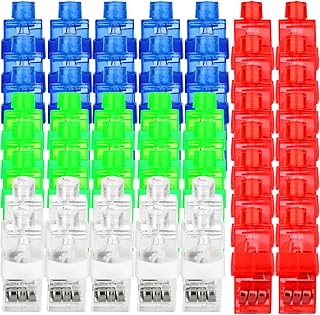 60Pcs LED Finger Lights Flashlights for Kids Glow Party Favors Birthday Christmas Halloween Supplies
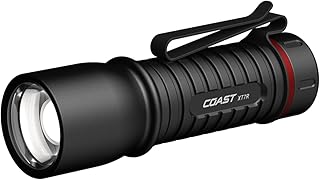 XT7R 1500 Lumen Rechargeable LED Flashlight with Magnetic Mount, Slide Focus, and Pocket Clip, Black
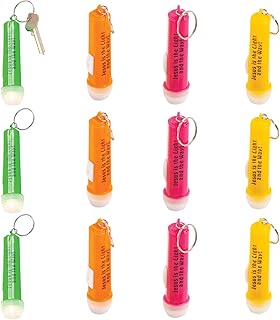 Express Jesus is The Light Flashlight Key Chains (Set of 12) Religious Party Supplies - VBS 2026 Vacation Bible School Supplies/Decor
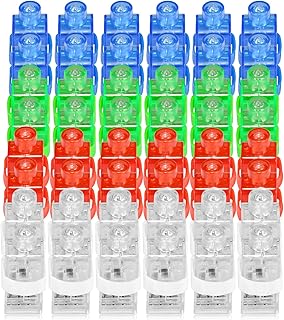 CADE ELECTRONIC Finger Lights- 50Pcs Finger Flashlights for Kids-Bachelorette Party Favors - Party Supplies for Parties Cheering Novelty Toys for Kids, Adult