Introduction: Why this guide matters for B2B buyers
Flashlights remain essential across industrial, security, emergency response, mining, and facility-maintenance markets. For importers, wholesalers, distributors, and project contractors, choosing the right flashlight offering requires more than comparing lumen counts. This guide highlights the technical specifications, compliance requirements, quality controls, commercial terms, and logistics considerations you need when sourcing flashlights in volume. JECTE, a lighting manufacturer and industrial supply partner, uses these buyer-focused checkpoints when supporting global procurement teams.
Key performance specifications to evaluate
Start by defining the target end-market and duty cycle. A flashlight for emergency responders has different priorities than one for retail impulse sales. Evaluate these essential metrics:
ANSI/NEMA FL1 metrics
The FL1 standard provides consistent measures that allow reliable comparisons across models. Ask suppliers to provide FL1 test reports showing:
- Lumens (total light output)
- Runtime (minutes/hours at specified mode)
- Peak Beam Intensity (candela)
- Beam Distance (meters calculated from candela)
- Impact Resistance (drop height)
- Ingress Protection (IPX rating)
Insist on FL1 or equivalent third-party reports; raw lumen claims without standardized testing are not comparable.
Lumen output vs usable beam
High lumen numbers attract buyers but consider beam quality and usable range. Flood beams (wider, lower candela) suit close work; spot beams (narrow, high candela) deliver long-range visibility. Many industrial buyers prefer a balance or dual-beam models depending on application.
Runtime and thermal management
Runtime should be specified per mode. Look for thermal protection (automatic step-down) to prevent overheating and ensure consistent performance. Vendors should provide runtime curves showing lumen output over time at room temperature.
Battery type and charging
- Disposable chemistry: Alkaline (AA/AAA) - easy logistics, lower upfront cost, predictable single-use lifespan.
- Rechargeable cells: NiMH (AA), Lithium-ion (18650/21700) - higher energy density; preferred for professional applications.
- Built-in rechargeable: Integrated Li-ion with USB-C charging is convenient but increases shipping and regulatory complexity due to lithium battery classification.
Confirm charging options, charge time, USB port type (USB-C preferred for robustness), and protection circuits (overcharge, short-circuit, thermal). For large orders, negotiate options for user-replaceable batteries if end-customer field-serviceability is required.
Durability, materials, and ergonomics
Prioritize build quality when specifying industrial-grade flashlights.
Housing and corrosion resistance
Aluminum (6061-T6) with Type III hard-anodized finish is common for high-strength, corrosion-resistant bodies. Stainless steel bezels and clips are used in harsh environments. Polymer housings reduce weight and cost but may not perform as well under impact or extreme temperatures.
Lens and optics
Optics affect beam uniformity. Choices include glass (more scratch resistant) and PMMA/plastic (lighter and impact-resistant). TIR optics can provide tight, efficient beams while smooth reflectors offer classic spot patterns.
Impact and ingress protection
Specify impact resistance (e.g., 1–2 meter drop or higher) and IP ratings. Typical useful thresholds:
- IPX4: Water-resistant (light splashing)
- IPX6: Powerful water jets
- IPX7/IPX8: Temporary or continuous submersion (preferred for rescue and marine markets)
Opto-electronics: LEDs, drivers, and optics
LED brand and driver design influence performance and reliability.
LED types and color characteristics
High-quality LEDs from known manufacturers (Cree, Osram, Nichia, Samsung) offer better lumen-per-watt and lifespan. Specify color temperature (Kelvin) and, where relevant, CRI for color-critical tasks (high CRI models are useful for inspection work).
Driver electronics
Robust drivers maintain stable output and include protections: reverse polarity, overcurrent, and thermal regulation. Programmable drivers allow custom mode curves, which can be valuable for OEM products and branded lines.
Regulatory and shipping compliance
Compliance impacts both market acceptance and logistics. Confirm the supplier understands export/import rules for battery-powered products.
Product safety and regional approvals
- CE & RoHS for EU markets (electrical safety and restricted substances)
- FCC for chargers or wireless-enabled models in the US
- Optional: UL or ETL listings for specific US retail channels
Lithium battery regulations
Rechargeable flashlights with internal Li-ion cells require UN38.3 test reports and compliant packaging for air transport. For shipping batteries separately, confirm IATA and ADR compliance, and ask suppliers for MSDS and proper classification (PI965/PI966 variations apply depending on configuration). These rules affect air freight feasibility and costs, so factor them into procurement planning.
Quality assurance and testing protocols
Buyers should require documented QA processes and independent test reports as part of the purchasing cycle.
Sample and pre-production approvals
Start with engineering samples, then approve pre-production samples (PPS) before mass manufacturing. Use those samples for official FL1 testing and functional checks.
Factory testing and inspection
- In-line tests: visual inspection, polarity checks, solder quality
- End-of-line tests: lumen measurement under FL1 conditions, runtime, battery charge/discharge
- Environmental testing: thermal cycling, salt spray (if required), and IP/immersion tests
- Mechanical testing: drop tests per spec, switch life cycles
Specify acceptance criteria and allowable AQL levels for defects. Consider third-party inspections (IQC, in-process, pre-shipment) for larger orders.
Commercial terms: MOQ, lead times, packaging
Negotiate commercial terms early. Typical considerations include:
MOQ and price breaks
MOQ varies by supplier and model complexity. Standard consumer models may have MOQs in the low hundreds; customized or OEM designs often require higher MOQs (500–5,000 units). Ask for tiered pricing to understand cost reductions at different volume bands.
Lead times and production planning
Lead times depend on customization and battery sourcing. Standard models might be produced in 4–8 weeks; customized designs, tooling, and certification can extend lead times to several months. Build buffer time for third-party testing and rework.
Packing, labeling, and retail readiness
Discuss packaging options: bulk, retail-ready blister or boxed packaging, multilingual inserts, and barcode labeling. For distributors, efficient cartonization and palletization reduce inbound handling and warehousing costs.
After-sales support, warranty, and spare parts
After-sales service affects long-term brand reputation. Define warranty terms, RMA procedures, and availability of spare parts (batteries, chargers, switches). For project contractors, negotiate dedicated warranty SLAs and replacement unit stock to maintain uptime.
Supplier evaluation and negotiation tips
Use a structured approach when screening manufacturers:
- Request a company profile, factory photos, and capacity details.
- Ask for FL1 reports, UN38.3, RoHS, and any regional approvals.
- Check references and sample performance under your application scenarios.
- Negotiate payment terms aligned with milestones: tooling/sample payment, deposit for production, balance on B/L or L/C.
- Consider pilot orders to validate logistics and market acceptance before full-scale commitment.
Logistics and import considerations
Plan for freight mode and regulatory paperwork early. Key items:
- Classification and HS codes: ensure correct tariff classification for customs clearance.
- Certificate of Origin and commercial invoice accuracy to avoid delays.
- Battery shipments: air freight may require special handling; sea freight can be simpler but slower.
- Insurance, incoterms, and customs agent coordination to reduce landed-cost surprises.
Product customization and branding
Many distributors differentiate with private-label or co-branded products. Common customization options include logo engraving, packaging design, mode programming, accessory kits (holsters, clips, lanyards), and color variants. Confirm tooling costs, lead time impacts, and minimum order quantities for custom items.
Checklist for an RFP when sourcing flashlights
- Define target application and required FL1 metrics (lumens, beam distance, runtime).
- Specify battery chemistry and charging method, including UN38.3 requirements.
- Provide required IP and impact ratings.
- List certifications required by market (RoHS, CE, FCC, UL if needed).
- Require sample/testing protocol and pre-production approval steps.
- Ask for MOQ, price tiers, lead times, and warranty terms.
- Request packaging options and retail readiness specifications.
Why work with an experienced manufacturing partner like JECTE
Partnering with a manufacturer that understands both product engineering and global trade reduces risk. JECTE combines in-house design, LED and battery sourcing experience, and compliance management to support importers and distributors through product development, certification, testing, and logistics. We provide support with sample programs, pre-shipment inspections, and after-sales spare parts planning to ensure your supply chain reliability.
Final recommendations
For B2B buyers, the best flashlight decisions balance validated performance, regulatory compliance, durability, and predictable supply. Base buying decisions on standardized FL1 test results, verify battery and shipping compliance, demand robust QA processes, and align commercial terms with your inventory planning. Use pilot orders and staged scale-up to mitigate risk for new SKUs or custom designs.
Next steps
When ready to source or develop flashlight products, create an RFP using the checklist above and request FL1 test data plus battery compliance documentation. Contact JECTE to discuss sample programs, OEM/ODM customization options, and typical lead times for production and certification. A collaborative supplier with engineering and compliance capabilities will accelerate market entry and protect your brand reputation.
Contact JECTE for tailored proposals and sample evaluations to match your target markets and distribution strategy.
Related Products
Explore related products from JECTE for your next sourcing project.
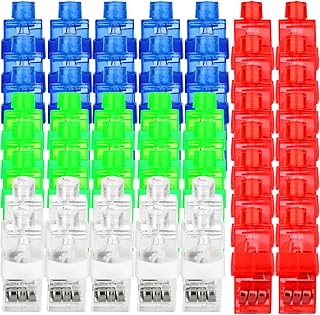 60Pcs LED Finger Lights Flashlights for Kids Glow Party Favors Birthday Christmas Halloween Supplies
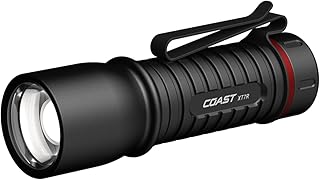 XT7R 1500 Lumen Rechargeable LED Flashlight with Magnetic Mount, Slide Focus, and Pocket Clip, Black
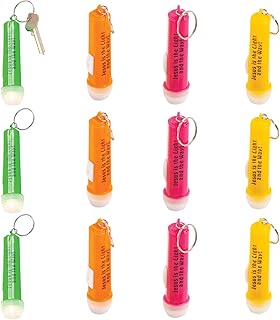 Express Jesus is The Light Flashlight Key Chains (Set of 12) Religious Party Supplies - VBS 2026 Vacation Bible School Supplies/Decor
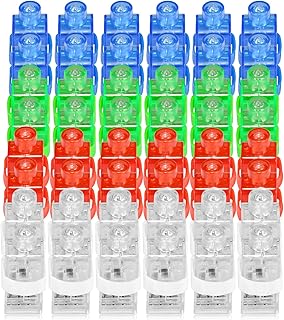 CADE ELECTRONIC Finger Lights- 50Pcs Finger Flashlights for Kids-Bachelorette Party Favors - Party Supplies for Parties Cheering Novelty Toys for Kids, Adult