Overview: Why a focused flashlight buying strategy matters
Flashlights remain essential in many market segments—industrial, safety, tactical, commercial, and consumer. For importers, wholesalers and project contractors, small differences in specifications and supply chain management can affect product performance, compliance, margins and after-sales costs. This guide consolidates practical, buyer-focused considerations to help you choose flashlight products that meet technical requirements, regulatory obligations and market expectations.
Understand core flashlight performance metrics
Use standard metrics to compare models objectively. Many regions and buyers use ANSI/NEMA FL1 as a baseline for reporting, but confirm testing methods with suppliers.
Lumens
Total visible light output. Common ranges: 50–300 lumens for personal use, 300–2,000+ for professional or tactical lights. Lumens alone are not enough—also consider beam intensity and distribution.
Peak Beam Intensity (Candela) and Beam Distance
Candela measures peak beam intensity at a point; beam distance (meters) is typically calculated from candela. For long-range search lights, candela is more relevant than raw lumens.
Runtime and Modes
Runtime is usually given at the highest mode; lower modes extend battery life. Confirm how runtime is measured (until the output drops to 10% or at a specified lumen level).
Color Temperature and Color Rendering
Color temperature (Kelvin) affects perception of color and contrast. Cool white (5000–6500K) is common for tactical use; neutral (4000–5000K) can be preferred for work lights. CRI (Color Rendering Index) matters for inspection tasks.
Flashlight types and common applications
- Everyday carry (EDC): compact, pocketable, 100–1,000 lumens for general consumers and maintenance staff.
- Tactical lights: high-output, durable, strobe modes, used by security, law enforcement and military clients.
- Work lights / inspection lights: flood beams, high CRI options for utilities, mechanics and contractors.
- Search & rescue / long-throw lights: very high candela and lumen output for emergency services and outdoor contractors.
- Headlamps: hands-free options for mining, construction and industrial inspections.
Batteries and charging—what buyers must specify
Battery choice affects performance, shipping, and after-sales support.
Primary vs rechargeable
- Primary cells: AA, AAA, CR123A—low upfront cost, simplified logistics but recurring purchase cost for end users.
- Rechargeable cells: 18650, 21700, proprietary Li-ion packs—higher initial cost but better lifecycle cost and higher output.
Charging options
- Built-in USB-C charging is preferred for modern devices; supports faster charging and universal cable use.
- Magnetic contact chargers reduce ingress paths and are popular for waterproof designs.
- External rechargeable batteries and removable cells simplify replacement and air transport issues.
Battery safety and transport
Li-ion batteries require UN38.3 testing for air shipments. Ensure supplier provides test reports and appropriate packaging. Consider choosing models with battery management systems (BMS) to protect against overcharge, over-discharge and short circuits.
Durability, materials and ingress protection
Material and finishing affect longevity and perceived quality.
Housing and finish
- Aluminum alloys (commonly 6000 or 7000-series) with hard-anodized finishes are standard for high-end and tactical lights.
- Polymer housings reduce cost and weight for consumer models but may not match metal housings for heat dissipation.
Waterproofing and resistance
IPX ratings per IEC 60529 indicate water resistance (e.g., IPX7 = immersion to 1 meter for 30 minutes). For dust and water protection combined, use IP6X/IPX7/8 ratings. Confirm gasket materials and test certification from the supplier.
Impact and thermal management
- Drop resistance ratings vary—1–2 meters is common; higher-end tactical models are tested to greater heights.
- Thermal management (heatsink design, aluminum mass) is critical for high-output LEDs to avoid thermal throttling and prolong LED life.
LED sources, optics and beam control
LED selection (brand and bin) and optics determine efficiency, color quality and beam shape.
LED manufacturers and bins
Cree, Nichia, Samsung and Lumileds are common. Ask for LED part numbers and luminous efficacy (lm/W) so you can evaluate performance consistency across production runs.
Reflectors vs TIR optics
- Reflectors: produce focused long beams (throw).
- TIR lenses: provide controlled flood or mixed beams with smooth rings, common in EDC and headlamps.
Standards, certifications and regulatory compliance
Compliance reduces risk at import and sale. Verify supplier documentation and test reports.
- CE declaration and relevant EMC/LVD testing for EU markets.
- RoHS compliance for hazardous substances.
- UN38.3 for lithium batteries (air transport).
- FCC/IC for integrated wireless features (if applicable).
- Local certifications or safety approvals (e.g., UL) depending on product and market needs.
Quality control and testing—what to require
Ask suppliers to provide documented QC steps and offer to witness or commission independent tests.
Recommended tests
- Integrating sphere or goniophotometer reports for lumen output and beam pattern.
- Runtime tests on each mode until a specified cutoff (e.g., 10% of initial output).
- Temperature rise and thermal protection verification.
- IP and immersion tests, plus salt spray if marketed for marine use.
- Drop tests and vibration tests for ruggedized products.
- Battery cycle life and BMS functionality tests.
Sourcing, MOQ, pricing and lead times
Understand the factors that drive cost and delivery.
Pricing drivers
- LED brand and bin selection, driver complexity and battery chemistry are primary cost drivers.
- Housing material and finishing (hard-anodize, PVD) increases unit cost.
- Packaging, certifications and testing add to the landed cost.
MOQ and customization
Standard white-label models often have low to moderate MOQs. OEM/ODM customizations (branding, packaging, firmware and unique mechanical changes) typically increase MOQs and lead times. Discuss flexible MOQ programs and tiered pricing with suppliers.
Lead times
Typical lead times: sample 1–4 weeks (depending on tooling and battery availability); production runs 4–12 weeks. Battery availability and external certification backlogs can extend timelines. Plan for longer lead times during peak seasons and raw material shortages.
Packaging, labeling and logistics
Packaging protects the product and supports retail sales. For bulk shipments, consider inner cartons and master cartons optimized for palletization.
Labeling and documentation
- Include product labels (barcode/EAN/UPC), user manuals in required languages, safety warnings and battery disposal information.
- For export shipments with batteries, include UN38.3 declarations and appropriate shipping labels.
Warranty, after-sales and spare parts
Define warranty terms (period, coverage) and request spare parts availability—O-rings, switches, drivers and battery packs. A clear repair or replacement policy reduces returns and protects margins.
Supplier evaluation checklist
Use this quick checklist when evaluating flashlight manufacturers:
- Can the factory provide ANSI/NEMA FL1 test reports, integrating sphere or goniophotometer data?
- Are UN38.3, CE, RoHS, and other requested certificates available and up to date?
- What is the BOM (LED part, driver IC, battery cell reference)?
- What QC tests are performed on 100% of units versus sample inspections?
- What is the MOQ for white-label and for OEM/ODM runs?
- What are standard lead times and penalties for delays?
- Is there a secure spare parts and repair channel for after-sales support?
- Can the supplier provide ISOs, factory audit reports or third-party inspections?
Negotiation and procurement tips
- Start with a small production sample order to validate performance and certifications before committing to larger runs.
- Negotiate tiered pricing and shared cost for certification tests if you plan market expansion.
- Specify acceptance criteria in the contract: allowable defective rate, performance tolerances, labeling, packaging and test report delivery.
- Consider buffer inventories for batteries and drivers to avoid supply interruptions.
JECTE as your industrial lighting partner
JECTE is positioned to support global buyers from sample to mass production. We provide configurable flashlight platforms—EDC, tactical, work and search lights—with options for LED selection, battery chemistry, charging methods, ingress ratings and branded packaging. Our procurement support includes documentation for certifications, UN38.3 battery testing, production QC and third-party testing on request. For project contracts and distributor programs, we can support MOQ flexibility, private label packaging and post-sale spare parts logistics.
Final checklist before you buy
- Confirm ANSI/NEMA FL1 or equivalent test reports for lumen, candela and runtime.
- Verify UN38.3 battery test reports and transport labeling if using Li-ion cells.
- Agree on MOQ, lead time, pricing tiers and production sample conditions.
- Specify required warranty, spare parts availability and repair procedures.
- Ensure packaging, labeling and manuals meet destination market language and regulatory requirements.
Choosing the right flashlight product mix requires balancing technical performance, regulatory compliance and supply chain reliability. Use the metrics and procurement steps in this guide to reduce risk and secure a competitive product offering. For tailored proposals, sample orders or supplier audits, contact JECTE to discuss flashlight platforms and sourcing solutions designed for global importers, wholesalers and project contractors.
Related Products
Explore related products from JECTE for your next sourcing project.
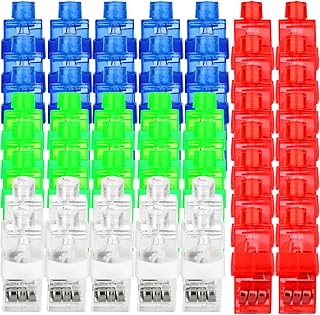 60Pcs LED Finger Lights Flashlights for Kids Glow Party Favors Birthday Christmas Halloween Supplies
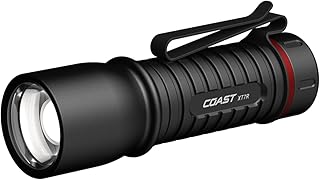 XT7R 1500 Lumen Rechargeable LED Flashlight with Magnetic Mount, Slide Focus, and Pocket Clip, Black
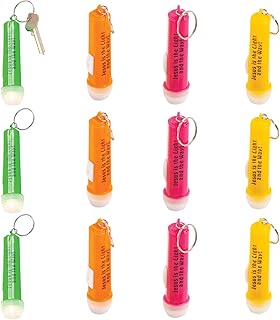 Express Jesus is The Light Flashlight Key Chains (Set of 12) Religious Party Supplies - VBS 2026 Vacation Bible School Supplies/Decor
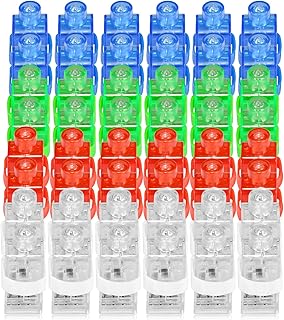 CADE ELECTRONIC Finger Lights- 50Pcs Finger Flashlights for Kids-Bachelorette Party Favors - Party Supplies for Parties Cheering Novelty Toys for Kids, Adult