Introduction: why this flashlight buying guide matters for B2B buyers
Flashlights are a staple SKU for industrial supply chains, safety kits, maintenance crews, and retail assortments. For importers, wholesalers, distributors and project contractors, selecting the right flashlight range affects margins, returns, compliance and customer satisfaction. This guide provides a practical, supplier-focused roadmap to evaluate flashlight products, technical specifications, compliance, quality checks, packaging and commercial terms when sourcing from manufacturers such as JECTE.
Match product types to customer needs
Before technical detail, establish the target applications and buyer segments. Common commercial categories include:
- General-purpose handheld flashlights — economical, AA/AAA or basic rechargeable units for everyday use.
- Tactical flashlights — higher output, tail-switch, strobe modes, rail mounts for law enforcement and security markets.
- Industrial and work lights — rugged, high-CRI or neutral-white options for mechanics, inspectors, and construction sites.
- Headlamps — hands-free solutions for inspections, mining, electrical and outdoor work.
- Intrinsically safe / hazardous-area flashlights — certified for gas or dust environments (ATEX / IECEx).
- Specialty flashlights — UV, infrared, or multi-spectral units for forensic, pest control or industrial inspection.
Key technical specifications buyers must evaluate
Flashlight spec sheets can be dense and inconsistent. Use the industry-standard metrics and inspect for realistic test methods.
Lumens and ANSI/NEMA FL1
Lumens indicate light output but are often marketed aggressively. Ask suppliers to provide ANSI/NEMA FL1 test reports when available. FL1 standardizes measurements for:
- Light output (lumens)
- Runtime (minutes until a specified output level)
- Beam distance (meters)
- Peak beam intensity (candela)
- Water resistance (IP rating)
Buyers should prefer vendors who can supply FL1 data or equivalent lab reports to avoid inflated claims.
Beam pattern and optics
Beam utility depends on reflector and lens design. Common options:
- Flood (wide beam) — good for area work and close-range tasks.
- Throw (narrow hotspot) — for search and long-distance visibility.
- Adjustable focus — offers versatility but increases cost and potential failure points.
- TIR (total internal reflection) optics — produce smooth beams with controlled spill; useful for close-to-mid ranges.
Power source and battery chemistry
Battery type is among the most important procurement decisions because it affects cost, runtime, shipping, and aftermarket service. Common chemistries:
- Alkaline (AA/AAA) — low unit cost, easy logistics, long shelf life, less runtime than lithium equivalents.
- Lithium primary (CR123A, CR2) — higher energy density, used in tactical lights; restricted in some shipping routes and retail categories.
- Rechargeable Li-ion (18650, 21700, integrated cells) — high output and best runtime per charge, requires safe charging circuits and shipping compliance for lithium batteries.
- NiMH rechargeable — safer for shipping than lithium, lower energy density.
For line planning, decide whether to offer disposable, rechargeable, or mixed SKUs and check international shipping restrictions for lithium batteries.
Runtime, thermal management and driver electronics
Runtime claims must reference test conditions. Ask for runtime curves (output vs time) to understand how the LED and driver behave under continuous use. Good drivers include step-down or thermal regulation to avoid overheating and extend LED life. For high-output models, effective heat sinking and aluminum housings are essential.
Durability: impact and ingress protection
Specify minimum impact resistance (drop height in meters) and IP or IPX ratings for water/dust. Common expectations:
- IPX4 — splash resistant (entry-level)
- IPX7 — temporary immersion protection
- IP68 — dust-tight and continuous immersion (higher-value industrial units)
Also note impact ratings (e.g., 1 m, 2 m) and housing materials (aluminum alloy, stainless steel, impact-resistant polymers).
Color temperature and Color Rendering Index (CRI)
For inspection and industrial tasks, CRI matters. Higher CRI (80+) renders colors more accurately. Typical LED flashlights range from 2700K (warm) to 6500K (cool). Offer appropriate color temps to match end-user preferences: neutral white (~4000K) is common in work environments.
Regulatory compliance and certifications
Regulatory needs vary by market. Ask suppliers to present copies of certificates for target regions. Key considerations:
- CE marking and applicable EU directives (RoHS, REACH, EMC as applicable)
- FCC compliance if devices include wireless transmission (Bluetooth, GPS)
- ATEX / IECEx / INMETRO — essential for hazardous-area flashlights for gas/dust environments
- Battery shipping certifications (UN38.3) and factory cell test reports for lithium cells
- Electromagnetic compatibility and electrical safety documentation where needed
For North American retail, consider voluntary safety marks or third-party test reports that reduce buyer liability and speed market acceptance.
Materials, finishes and build quality
Material choice affects weight, durability and cost. Common materials and treatments:
- Aluminum alloys (6061, 6063, 7075) with Type III hard-anodized finish — durable, good thermal transfer.
- Polycarbonate and ABS — impact resistant, cost-effective for lower-price lines.
- Stainless steel bezels — added durability in tactical models.
- Seals and o-rings — silicone or nitrile for water/dust protection. Specify salt-spray resistance if used in marine environments.
Supply chain considerations: MOQ, lead time, and cost drivers
Understand the commercial levers that influence unit cost and lead time:
- MOQ — manufacturers often offer tiered pricing: prototype/sample, small batch, and full production. Negotiate MOQ relative to SKU complexity and customization.
- Tooling and customization — custom housings, logos, packaging, or firmware increase lead time and may require upfront tooling costs.
- Battery procurement — cells are cost-sensitive and subject to global commodity cycles; integrating rechargeable systems adds certification and packaging complexity.
- Certifications — testing fees and repeated lab work for multiple markets increase unit cost but expand addressable market.
- Seasonality — plan for lead times during peak seasons (e.g., year-end retail, emergency preparedness spikes).
Quality control and testing buyers should require
Specify pre-shipment tests and inspection criteria. Typical requirements:
- Incoming material inspection (aluminum grade, cell lot verification)
- Functional tests — output, runtime, beam pattern check against spec
- Drop and impact tests — confirm housing integrity and activation after drops
- Ingress testing — IPX or IP tests per claimed rating
- Battery safety tests — overcharge, short circuit, thermal stability on integrated batteries
- Salt spray and corrosion tests for marine or coastal applications
- Random sample audits to AQL levels with third-party inspection options
Request test records and audit reports. Insist that manufacturers maintain traceability for battery cells and critical components.
Packing, labeling and after-sales support
Decisions on packaging influence logistics cost and retail readiness. Typical options:
- Bulk packaging — cost-efficient for industrial buyers and contractors.
- Retail-ready packaging — branded boxes with hang-tabs, multilingual inserts and UPCs for wholesalers and distributors.
- OEM packaging — custom cartons, manuals, and serialized labeling for reseller programs.
Also clarify warranty terms, spare parts availability (o-rings, chargers, batteries), and repair or exchange processes. For high-value models, consider stocked spare batteries or chargers to reduce downtime in field applications.
Sample evaluation checklist for procurement teams
When testing samples from a prospective factory, use a structured checklist:
- Verify measured lumen output using an integrating sphere report or third-party lab.
- Run the light continuously to validate thermal management and runtime curve.
- Test ingress protection and drop performance according to claimed ratings.
- Check charging behavior, USB/USB‑C port durability and charging time.
- Validate packaging, labeling, and instruction clarity in target market languages.
- Confirm firmware behavior and mode memory for multi-mode flashlights.
Commercial negotiation tips for buyers
To get the best balance of price, quality and delivery:
- Consolidate SKUs where feasible — fewer variants lower per-unit costs.
- Agree on sample approval and pre-production quality gates to avoid disputes at full production.
- Request price breaks tied to clear volume bands and forecast windows.
- Factor total landed cost: unit price, battery compliance paperwork, packaging, testing, shipping and duties.
- Consider multi-year framework agreements with capped price escalators for long-term programs.
When to request customization and what to expect
Common custom requests and their implications:
- Branding and color options — low technical complexity but require longer lead time and higher MOQ.
- Firmware/menu customization — useful for professional users but requires development time and validation.
- Special battery configurations — increases safety testing and documentation needs.
- Packaging and manual language sets — improves marketability but adds setup costs.
Plan a formal change control process for any customization to lock down specs, samples, and test acceptance criteria.
Selecting a reliable supplier: red flags and positive indicators
Red flags:
- No test reports or unwillingness to allow third-party testing
- Inconsistent sample performance versus supplied specifications
- Poor traceability of battery cells or loose QC records
- Unclear warranty, repair or spare parts policy
Positive indicators:
- Transparent FL1 or lab test data and component traceability
- Established quality process, inspection reports and willingness to accommodate AQL checks
- Clear compliance documentation for target markets and battery shipping certificates
- Responsive technical support and post-sale service agreements
How JECTE supports B2B flashlight procurement
JECTE manufactures a range of professional flashlights and partners with global buyers to provide tailored supply solutions. Typical services we offer to importers, wholesalers and contractors include:
- Customizable product lines (branding, packaging, firmware and battery options)
- Full compliance support — documentation for CE, RoHS, UN38.3 and hazardous-area certifications where required
- Sample programs and pre-production testing, including ANSI/NEMA FL1 reports upon request
- Quality control plans, AQL inspections and third-party lab testing coordination
- Scalable production and logistic support to align MOQ and lead times with customer needs
Conclusion: practical next steps for procurement teams
To reduce risk and speed time-to-market, procurement teams should: define end-use cases and prioritized specs, request FL1 or equivalent test reports, validate battery documentation and shipping compliance, require pre-shipment inspections, and plan packaging and after-sales support. Start with a pilot order and performance evaluation before committing to full production runs.
If you are sourcing flashlights at scale or need a partner to develop custom models, JECTE can provide product options, test documentation and supply-chain services tailored to global distributors and project contractors. Contact your JECTE representative to request a technical data package and sample program tailored to your market and application needs.
Related Products
Explore related products from JECTE for your next sourcing project.
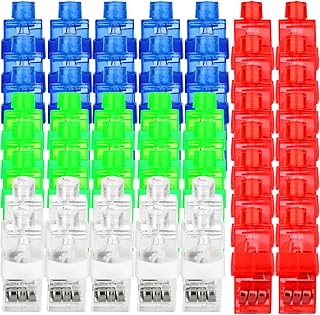 60Pcs LED Finger Lights Flashlights for Kids Glow Party Favors Birthday Christmas Halloween Supplies
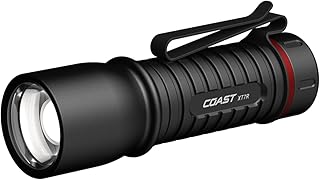 XT7R 1500 Lumen Rechargeable LED Flashlight with Magnetic Mount, Slide Focus, and Pocket Clip, Black
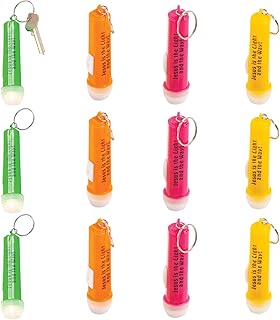 Express Jesus is The Light Flashlight Key Chains (Set of 12) Religious Party Supplies - VBS 2026 Vacation Bible School Supplies/Decor
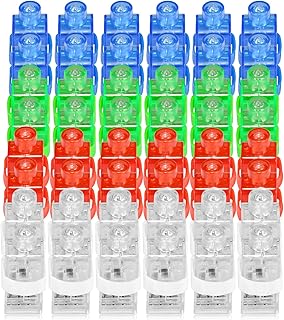 CADE ELECTRONIC Finger Lights- 50Pcs Finger Flashlights for Kids-Bachelorette Party Favors - Party Supplies for Parties Cheering Novelty Toys for Kids, Adult