Overview: Why a focused flashlight buying strategy matters
Flashlights are commodity items with meaningful technical variation. For importers, wholesalers, distribution networks and project contractors, choosing the right product mix affects warranty costs, returns, brand reputation and margin. This guide helps procurement teams cut through marketing claims and specify flashlights that meet real-world needs while controlling price, compliance and supply chain risk.
Define buyer use cases and market segments
Start by segmenting the product offer: each segment has different performance and regulatory priorities.
- Everyday carry (EDC): compact, lightweight, USB-rechargeable, 200–1,000 lumens, focus on pocketability and styling.
- Tactical/security: high output (500–2,000+ lumens), strobe modes, tail-switches, durable anodized aluminum, often demanded by security buyers.
- Industrial/maintenance: robust housings, long run-time, neutral white options (4000–5000K), IP67/IP68, anti-slip grips.
- Emergency/municipal: long-duration, multi-mode, rechargeable with power-bank features; usually sold in bulk for first responders.
- Hazardous area: intrinsically safe or explosion-proof designs with ATEX/IECEx certification for mining, oil & gas.
Key technical specifications to require
Request these clear, testable specs from suppliers and require test reports during validation.
- Output (lumens): Total measured light output. Compare using ANSI/NEMA FL1 test results rather than vendor claims.
- Beam intensity and distance: Candela and calculated beam distance provide more useful info than lumens alone—especially for search/tactical products.
- Run time: Define the power level it is measured at (e.g., high vs medium). The FL1 standard defines runtime to 10% output.
- Battery chemistry and capacity: Alkaline, NiMH, Li-ion (18650/21700), or integrated batteries. Ask for capacity in mAh and cycle-life expectations.
- Ingress protection (IP rating): IPX4 (splash) to IP68 (submersible). For heavy-duty or outdoor markets, target IP67 or higher.
- Impact/robustness: Drop test ratings (e.g., 1–2 m) or MIL-STD-810 compliance where needed.
- Material and finish: Aerospace-grade aluminum, stainless steel, or high-impact polymers; anodizing class (Type II/III) for corrosion resistance.
- LED and driver specs: LED make (Cree, Nichia, Samsung), color temperature (2700–6500K), CRI where color rendering matters, thermal regulation and constant-current driver details.
- Charging method and protection: USB-C fast charging, magnetic docks, over-charge/discharge protection, and battery management IC details.
- Safety & compliance: Required certificates (CE, RoHS, REACH, UN38.3 for lithium batteries, ATEX/IECEx for hazardous areas).
Use ANSI/NEMA FL1 as the performance baseline
The ANSI/NEMA FL1 standard provides a consistent method to report flashlight performance: lumens, beam distance, peak beam intensity (candela), run-time, and water resistance. Require FL1 test reports for any high-volume purchase—this standard reduces risk when comparing suppliers.
Battery and charging considerations for global buyers
Battery choice strongly influences product handling, compliance and logistics.
- Primary (disposable) cells: Alkaline or lithium primary cells are cheap and easy to ship but offer limited run-time and poor long-term value.
- Rechargeable replaceable cells: NiMH or protected Li-ion 18650/21700 cells are common in mid-to-high-end models. Ask for branded cells (Sony, Panasonic, Samsung) or battery test data if using generic cells.
- Integrated lithium-ion packs: Common in compact USB chargeables. Ensure UN38.3 certification for transport and provide MSDS details.
- Charging ports and accessories: USB-C is becoming the standard; include IP-rated flaps or sealed ports for water resistance. External chargers or docks may require additional certifications (EMC/CE/FCC).
Important: lithium batteries have strict shipping rules. Ensure suppliers provide UN38.3 test reports and guidance on IATA/ICAO (air) and IMDG (sea) transport classifications. Know whether shipments qualify for Limited Quantity exceptions.
Certifications, labeling and compliance
Global buyers must validate certification documents and label requirements before importing.
- Electrical, safety and EMC: CE (Europe), UKCA (UK), FCC (US for chargers/EMC), and CB reports where relevant.
- Environmental: RoHS and REACH compliance for restricted substances.
- Battery safety: UN38.3, MSDS, and manufacturer cycle-life data.
- Hazardous area: ATEX, IECEx, or local approvals for intrinsically safe flashlights.
- Labeling & manuals: Country-of-origin, safety warnings, disposal instructions, and translated manuals for target markets.
Quality control and testing checklist
Implement a strict QC program to reduce defects and returns. Standard checks include:
- Incoming material inspection: Verify batches of LEDs, batteries and housings against spec and certificates.
- Production-line testing: Functional tests, polarity checks, and end-of-line photometric checks.
- Photometric testing: Integrating sphere or goniophotometer measurements to verify lumen output, beam pattern and CCT/CRI.
- Environmental tests: Water ingress (IP), drop tests, vibration, salt spray for marine applications, and thermal cycling.
- Battery cycle testing: Full charge/discharge cycles to confirm capacity retention and safety features.
- Pre-shipment inspection (PSI): AQL sampling, carton/label verification, and test of random units.
Ordering, MOQ and lead-time expectations
Plan procurement around production realities and customization needs.
- MOQ: For stock models, MOQs can be as low as 100–500 units. Custom colors, engraved logos, or new tooling typically push MOQ to 500–5,000 units depending on the factory and level of customization.
- Lead times: Stock items: 2–6 weeks. Custom or certified models: 8–16 weeks depending on certification/testing schedules.
- Sampling process: Budget 1–3 weeks for off-the-shelf samples, 4–8+ weeks for custom prototypes and verification samples.
- Ramp-up: Allow additional time for pre-production sample (PPS) approvals and pilot production runs before mass production.
Packaging, labeling and channel readiness
Packaging matters for distribution efficiency and brand perception. Specify packaging to balance cost, shelf presence and carton density.
- Include durable inner trays, foam inserts or blister packs for retail models; bulk cartons for wholesale shipments.
- Custom packaging, manuals in target languages, UPC/GTIN barcodes and CE/UKCA markings are common retailer requirements.
- Consider retail-ready packaging (hanging cards, window boxes) vs plain bulk packs for trade buyers.
Logistics, shipping and after-sales
Plan for freight, customs and after-sales support.
- Incoterms & pricing: Clarify EXW, FOB, CIF or DDP in quotations. DDP simplifies importing but increases supplier responsibility and price.
- Battery shipping: Confirm whether batteries ship installed or separately and who handles dangerous goods declarations. Air freight of lithium batteries is tightly controlled.
- Spare parts and repairs: Negotiate availability of spare batteries, O-rings, switches and loaner units for warranty repairs.
- Warranty & RMA: Agree on warranty length (typ. 1–3 years), RMA procedure, and return logistics. Consider repair vs replacement economics.
Price drivers and cost-saving levers
Understand what creates cost to manage margins without sacrificing quality.
- LED brand and binning quality, battery chemistry and branded cells, driver sophistication and thermal design are primary cost drivers.
- CNC machined aluminum, higher-grade anodizing, and certified waterproofing add cost but improve longevity and resale value.
- Volume discounts, simplified SKUs, and standardized packaging reduce per-unit costs. Consolidate components across product lines where possible.
Supplier selection and audit checklist
Use a structured supplier evaluation to minimize risk.
- Factory capabilities: CNC, anodizing lines, assembly, battery pack assembly, 100% electrical testing and photometric lab.
- Certifications: ISO 9001, and independent lab partnerships for EMC/UN38.3/Fl1 testing.
- References and export experience: Ask for export history, major clients, and experience with your target markets.
- Quality processes: Incoming inspection plans, AQL, in-line testing, and corrective action procedures.
- Supply chain transparency: Component traceability for LEDs and batteries.
Customization and branding opportunities
Differentiate in crowded markets by offering tailored options:
- Laser engraving, custom anodize colors, private labeling and packaging design.
- Custom firmware/drivers for programmable modes, strobe patterns or battery indicators.
- Bundling options: holsters, lanyards, spare batteries, charging docks or vehicle adapters.
Practical procurement checklist
Before signing a PO, confirm the following:
- Required FL1 photometric test reports and UN38.3 battery certificates are supplied.
- Sample approvals completed (PPS, MPS) and any agreed design changes documented.
- MOQ, lead-time, price breakpoints and payment terms clearly stated.
- Incoterms, shipping method, and dangerous goods classification agreed for batteries.
- Warranty terms, RMA process and spare-parts availability confirmed.
- QC plan and pre-shipment inspection (PSI) scope agreed (AQL levels, sample size).
Why partner with a manufacturing and supply expert like JECTE
Working with an experienced manufacturer simplifies compliance, testing and logistics. JECTE offers integrated capabilities—R&D, photometric testing, battery pack assembly, and support for certifications—so global buyers can shorten time-to-market while maintaining consistent quality and traceability. Whether you need off-the-shelf SKUs or fully customized solutions for high-value channels, a manufacturing partner reduces the procurement burden and helps manage post-sales support.
Final recommendations
For distributors and importers, the winning approach combines clear, use-case driven specifications with rigorous supplier evaluation and ongoing quality control. Prioritize measurable metrics (ANSI FL1 reports, UN38.3, IP and impact tests), demand sample validation, and plan logistics for battery shipping early. With these controls in place you can confidently source flashlights that meet target market expectations while protecting margins and reputation.
Next steps
- Compile your prioritized spec sheet by market segment.
- Request FL1 and battery test reports from shortlisted suppliers.
- Order pre-production samples and schedule third-party testing where needed.
- Negotiate MOQ, lead times and warranty terms with clear acceptance criteria.
QUIREJ: Contact JECTE for OEM/ODM flashlight capabilities, test-lab support and supply chain solutions tailored to global distributors and project contractors.
Related Products
Explore related products from JECTE for your next sourcing project.
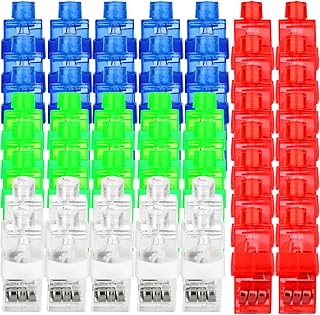 60Pcs LED Finger Lights Flashlights for Kids Glow Party Favors Birthday Christmas Halloween Supplies
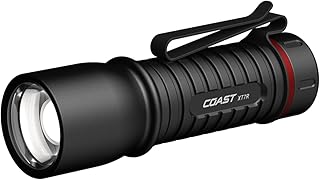 XT7R 1500 Lumen Rechargeable LED Flashlight with Magnetic Mount, Slide Focus, and Pocket Clip, Black
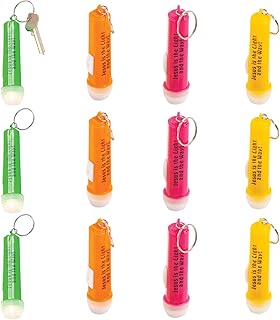 Express Jesus is The Light Flashlight Key Chains (Set of 12) Religious Party Supplies - VBS 2026 Vacation Bible School Supplies/Decor
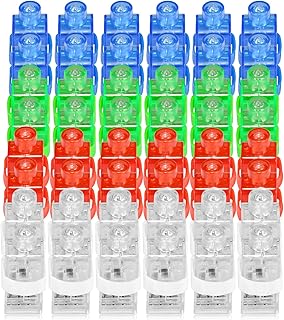 CADE ELECTRONIC Finger Lights- 50Pcs Finger Flashlights for Kids-Bachelorette Party Favors - Party Supplies for Parties Cheering Novelty Toys for Kids, Adult