Introduction: Why this flashlight buying guide matters for B2B buyers
Flashlight demand spans consumer, industrial, tactical and project markets. For lighting importers, wholesalers, distributors and project contractors, selecting the right flashlight product lines affects margin, compliance and long-term customer satisfaction. This guide is a practical checklist rooted in technical criteria, regulatory realities, supply-chain considerations and sourcing options to help you evaluate flashlight offerings and partner successfully with manufacturers like JECTE.
Understand flashlight types and target applications
Different end users need different flashlights. Begin product selection by matching flashlight classes to customer applications:
- Everyday carry (EDC): Compact, lightweight for retail and online channels. Focus on appearance, USB charging and ease of use.
- Tactical: Military, law enforcement and security. Priorities include strobe modes, tail-switch activation, high lumen output, impact resistance and compatibility with helmet/weapon mounts.
- Industrial/Worksite: Durable housings, anti-slip grips, long runtimes, multiple modes and safety certifications. Often required by contractors and utility operators.
- Search & Rescue/Outdoor: High-throw or high-lumen floodlights with long beam distance and reliable battery systems.
- Explosion-proof / Intrinsically Safe: For hazardous environments (oil & gas, mining). Must meet ATEX, IECEx or local intrinsically safe standards.
Key technical specifications to evaluate
Insist on standardized, measurable specifications. The ANSI/NEMA FL1 standard is the industry benchmark for reporting flashlight performance. Request FL1-tested data when comparing models.
- Lumen output: Total light emitted. Distinguish peak output (initial lumens) vs usable output and mode-dependent figures.
- Candela and beam distance: Candela measures peak intensity; beam distance (meters) is derived from candela. Important for search and tactical uses.
- Runtime: How long the flashlight operates at a specified mode before reaching a defined output threshold. Ask for FL1 runtime curves.
- Light source: LED type and manufacturer (e.g., Cree, Lumileds). Note color temperature (Kelvin) and CRI for color-critical tasks.
- Beam profile: Flood vs spot vs hybrid. Lens type (TIR, glass, PMMA) and reflector design affect spill and throw.
- Modes and UI: Number of modes, mode order, memory, lockout to prevent accidental activation and ergonomic switch placement.
- Thermal management: Heat sinks, material choices and thermal regulation influence sustained output and LED lifespan.
Power sources and battery logistics
Battery type is a core commercial and logistical decision. Understand trade-offs between performance, shipping restrictions and customer preferences.
- Alkaline cells (AA/AAA): Widely accepted, low upfront cost, easy to ship; lower energy density and runtime.
- NiMH rechargeable: Practical, rechargeable, less shipping restriction than Li-ion, moderate energy density.
- Li-ion (protected / unprotected): High energy density, compact designs and long runtimes. Lithium batteries are classified as dangerous goods—comply with IATA, IMDG and local regulations for shipment and storage.
- Integrated rechargeable batteries: USB-A/USB-C charging, USB PD fast charging, wireless charging. Evaluate charging circuitry, BMS, overcharge/over-discharge protection and replaceability.
- Spare battery supply: Consider offering spare batteries and chargers as accessories; they expand average order value and improve service.
Durability, materials and ingress protection
Durability defines returns and warranty claims. Assess materials, finish and certification levels for the intended use.
- Materials: Aircraft-grade aluminum (often 6061 or 6082) with Type III hard-anodized finish is common for tactical and industrial flashlights. ABS and PC plastics are used for lower-cost EDC models.
- Impact resistance: Look for stated drop heights or MIL-STD-810G claims. FL1 impact resistance is often reported in meters.
- Ingress protection (IP): IPX4/IPX6 for splash resistance, IPX7 for temporary submersion, IP68 for prolonged immersion. For dust-sensitive environments choose IP6X ratings.
- Corrosion resistance: Salt-spray testing for marine installations or coastal markets.
Regulatory compliance and certifications
For global distribution, compliance is non-negotiable. Confirm certificates and test reports before placing volume orders.
- Electrical & safety: CE (EU), RoHS (materials), UKCA (UK market), FCC (for devices with radio modules), UL or IEC standards where applicable.
- Hazardous locations: ATEX and IECEx for intrinsically safe or explosion-proof flashlights. These require factory quality processes and traceable documentation.
- Battery transport: UN 38.3 test reports for lithium batteries; MSDS and DG labeling for air/sea shipments.
- Photometric reports: Integrating sphere measurements, FL1 compliance and sample test data should be available for verification.
Quality assurance and testing to require from suppliers
Embed acceptance testing into procurement to reduce field failures and claims. Ask suppliers for standard QA protocols and results.
- Incoming inspection: Component verification, batch-level traceability (LED binning, battery lot).
- Functional tests: Power-on, mode sequence validation, switch longevity cycles.
- Photometric testing: Lumen measurement, color temperature, beam pattern documentation using an integrating sphere and goniophotometer.
- Environmental tests: Thermal cycling, salt spray, humidity, vibration and shock tests relevant to the end market.
- Battery testing: Cycle life, capacity, BMS functionality and safety cut-off tests.
- Burn-in: Extended operation at elevated temperature to catch early failures.
Commercial terms, MOQ and customization
Negotiate terms that suit both your market entry plan and supplier capacity. Typical considerations include minimum order quantities, tooling costs and lead times.
- MOQ: Consumer-focused EDC lines may have lower MOQs (hundreds), while specialized tactical or intrinsically safe units can require higher MOQs due to certification costs.
- Pricing tiers: Request FOB and CIF quotes for multiple volumes (e.g., 500, 2,000, 10,000 units) to model margins and price breaks.
- Branding and packaging: OEM/ODM options for logos, colorways, printed user manuals and retail packaging. Discuss dielines, barcode printing and multilingual inserts.
- Sample policy: Obtain engineering samples and pre-production prototypes for testing and marketing photos before committing to volume production.
- Lead times & capacity: Confirm production capacity, seasonal constraints and contingency plans for component shortages (e.g., LED or battery supply).
Logistics, shipping and hazardous goods
Battery regulations often drive logistics decisions. Work with suppliers experienced in DG shipping to avoid delays and fines.
- Battery shipping: Lithium-ion batteries packed with equipment, contained in equipment or as standalone spares are regulated differently. Ensure packaging, labeling and documentation meet IATA/IMDG/ADR rules.
- Customs documentation: Harmonized System (HS) codes, country of origin labels and required certificates streamline clearance.
- Packaging optimization: Protective inserts, master carton sizing and palletization reduce damage and freight costs.
After-sales support, warranties and repairability
Strong after-sales arrangements reduce lifecycle costs and protect your brand. Define warranties and spare part availability upfront.
- Warranty terms: Typical warranties range from 1–5 years depending on product class. Clarify coverage for batteries and LEDs.
- Repair vs replace: Determine if products are designed for field repair (replaceable batteries, modular optics) or full replacement. Availability of spare parts is key for institutional clients.
- RMA process: Agree on timelines, credit or replacement processes and who bears return shipping costs.
Inspection checklist and sample specification template
Use this quick checklist when evaluating flashlight suppliers or pre-production samples.
- Model name and SKU
- Target application and user profile
- LED type, Kelvin, CRI and lumen output (FL1 data)
- Candela and beam distance (FL1)
- Battery type, capacity (mAh), protection and charge method
- Runtime at each mode and thermal throttling behavior
- Housing material, finish and impact resistance
- IP rating and environmental test results
- Certifications: CE, RoHS, UL, ATEX/IECEx (if applicable)
- Warranty period and spare parts terms
- MOQ, lead time, FOB/CIF pricing and sample policy
Selecting a manufacturing partner: what to ask JECTE
When evaluating suppliers, ask for transparent documentation and an ability to scale. JECTE works with global buyers to develop and manufacture robust flashlight solutions. Key questions to ask potential partners:
- Can you provide FL1 photometric reports and integrating sphere data for each model?
- Do you supply UN 38.3 and other battery safety paperwork when Li-ion batteries are used?
- What is your standard QA process and defect rate threshold for shipments?
- Can you accommodate OEM branding, packaging and private-label designs with realistic lead times?
- What are your MOQ tiers and sample pricing for trial orders?
Conclusion: Reduce risk and improve margins with informed procurement
Choosing the right flashlight products requires balancing technical performance, regulatory compliance and commercial terms. Use FL1 data, insist on photometric and battery safety tests, and define clear QA and RMA processes before committing to production. For global buyers seeking a reliable industrial partner, JECTE provides manufacturing capacity, test documentation and customization options to bring flashlight products to market efficiently.
Next steps
Prepare a prioritized spec sheet using the checklist above, request engineering samples and verify FL1 and battery test reports. Contact JECTE to discuss OEM/ODM options, pricing tiers, and sample programs tailored to your distribution channels and project requirements.
Related Products
Explore related products from JECTE for your next sourcing project.
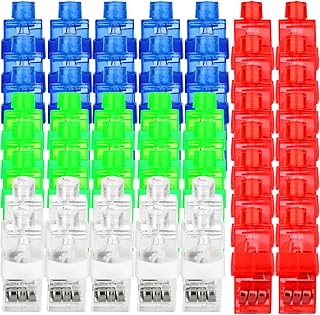 60Pcs LED Finger Lights Flashlights for Kids Glow Party Favors Birthday Christmas Halloween Supplies
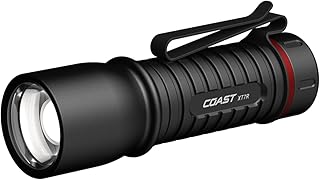 XT7R 1500 Lumen Rechargeable LED Flashlight with Magnetic Mount, Slide Focus, and Pocket Clip, Black
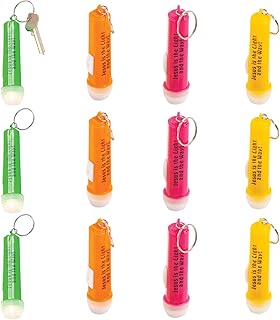 Express Jesus is The Light Flashlight Key Chains (Set of 12) Religious Party Supplies - VBS 2026 Vacation Bible School Supplies/Decor
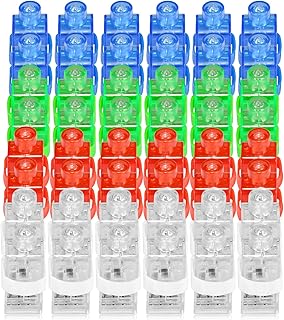 CADE ELECTRONIC Finger Lights- 50Pcs Finger Flashlights for Kids-Bachelorette Party Favors - Party Supplies for Parties Cheering Novelty Toys for Kids, Adult