Why this flashlight buying guide matters for B2B buyers
Flashlight demand spans consumer retail, industrial safety, emergency services, military, and infrastructure projects. For importers, wholesalers, distributors and project contractors, choosing the right flashlight means balancing performance, regulatory compliance, cost and supply-chain reliability. This guide explains key specifications, procurement strategies, quality checks and commercial considerations to help B2B buyers select the right flashlight range and supplier.
Primary flashlight types and common B2B use cases
Understanding product form factors and target applications simplifies SKU decisions and marketing.
- Everyday carry (EDC) flashlights: compact, pocketable, high-value retail items. Popular for general retail and online marketplaces.
- Tactical flashlights: robust, high-output units with strike bezels, programmable modes and tail switches. Suitable for security, law enforcement, and military contracts.
- Worksite/industrial flashlights: durable, impact- and water-resistant designs with long runtimes and hands-free options (magnetic bases, clips). Targeted at construction, utilities and maintenance buyers.
- Headlamps: wearable beams for hands-free tasks. Common for mining, inspection, outdoor recreation and emergency teams.
- Rechargeable lanterns and floodlights: for camps, disaster response, and temporary lighting on job sites.
- Intrinsically safe flashlights: certified for hazardous locations (ATEX, IECEx). Required for petrochemical, mining and explosive atmospheres.
Key technical specifications to compare
Ask suppliers for clear, testable data. Avoid marketing-only claims and request lab-backed numbers where possible.
- Luminous flux (lumens): indicates total light output. For B2B comparisons, verify how lumens are measured (integrating sphere test recommended).
- Beam distance and intensity (candela): useful when distribution focuses on search-and-rescue, security or outdoor applications where throw matters.
- Color temperature and CRI: CCT (measured in K) affects visual comfort. Higher CRI (>70–80) improves color rendering for inspection tasks.
- Runtime and power management: runtime curves at different modes let buyers predict battery life. Check standby drain for rechargeable models.
- Battery type and logistics: AA/AAA, CR123A, 18650/21700 Li-ion, or integrated Li-ion with USB charging. Each option has implications for shelf life, shipping (dangerous goods), and aftermarket costs.
- Ingress protection (IP) rating: IPX4 to IP68 — choose based on environment. IP68-rated flashlights are fully dust-tight and water-submersible.
- Impact resistance: specified in meters (drop tests) or standards like MIL-STD-810G for rugged applications.
- Switch types and user interface: tail switch vs side switch, momentary-on, mode memory. For emergency services simple reliable switches are often preferred.
- Size, weight and ergonomics: these affect acceptance in retail and suitability for belts, pockets or duty rigs.
Materials, construction and durability
Material selection affects weight, cost, thermal management and longevity.
- Bodies: anodized aluminum is common for a balance of strength and heat dissipation. Plastic/polycarbonate can reduce cost but may degrade faster in UV and chemicals.
- Lens and reflectors: tempered glass or polycarbonate lenses; smooth or textured reflectors influence beam profile.
- Seals and gaskets: silicone or EPDM seals and proper O-ring placement ensure IP ratings are maintained.
- Coatings: Type III hard-anodize raises corrosion resistance and surface hardness for tactical/industrial models.
Battery chemistry, charging and shipping considerations
Battery choice impacts logistics, retail compliance and lifecycle costs.
- Primary batteries (alkaline, lithium CR123A): easy to stock and ship; long shelf life but recurring replacement cost for end users.
- Rechargeable Li-ion (18650, 21700): delivers higher energy density and lower lifetime cost. However, cells are hazardous goods for air freight — verify supplier packing and documentation.
- Integrated rechargeable batteries: offer convenience (USB-C charging) and reduce accessory SKUs, but increase repair complexity and affect warranty claims.
- Charging options: USB-A, USB-C, magnetic chargers, and charging docks. USB-C is increasingly expected for B2B and consumer markets.
Safety, standards and certifications
Regulatory compliance is essential for global distribution and project procurement.
- Electrical and product safety: CE and RoHS for EU markets; UL certification for North America where applicable.
- Battery and transport: UN 38.3 test reports for lithium cells and approved Dangerous Goods (DGR) packing documentation for air shipments.
- Hazardous environment approvals: ATEX and IECEx for intrinsically safe flashlights used in explosive atmospheres.
- Military standards: MIL-STD-810G and IP ratings may be required for defense contracts.
- Warranty and claims handling: clearly defined warranty policies and returns procedures reduce downstream costs and protect distributor margins.
Sourcing strategy: OEM, ODM and private label
Choose a manufacturing approach that matches your brand strategy, volumes and risk tolerance.
- ODM (off-the-shelf customization): Faster time-to-market using an existing platform with minor branding or firmware changes. Lower setup cost, ideal for testing new markets.
- OEM (full customization): Allows bespoke mechanical design, firmware and packaging. Higher NRE and longer lead times, but differentiates products for volume-focused buyers.
- Private label: Good for retailers and distributors seeking brand exclusivity without major development investment.
- Minimum order quantities (MOQs) and tooling: clarify MOQs, sample costs, and tooling ownership upfront to avoid later disputes.
Quality control and acceptance testing
Implement a testing regimen to protect margins and reputation.
- Incoming inspection: Verify batch-based lumens, runtime, switch operation, waterproofing and battery performance against agreed specifications.
- Third-party testing: For large orders, commission lab testing (integrating sphere for lumens, IP testing, UN 38.3 battery tests).
- Pre-shipment inspection (PSI): functional checks, packaging verification and sample retention. Use AQL sampling levels appropriate to the buyer’s quality risk appetite.
- Production monitoring: factory audits, CCTV production line monitoring, and Material Traceability documentation for critical components like LEDs and cells.
Packaging, labeling and retail readiness
Packaging affects shipping costs, shelf appeal and regulatory compliance.
- Retail packaging: blister cards, hang-sell boxes, or clamshells. Consider tamper-evident seals for electronics.
- Bulk/wholesale packing: inner cartons and master cartons optimized for palletization and freight efficiency.
- Labeling: include CE/UL marks, battery disposal icons, country of origin, and multilingual instructions where required by destination markets.
- Custom inserts and SKU barcodes: request packaging proofs and barcode setup early to avoid relabeling costs.
Commercial terms and logistics
Negotiate terms that protect cash flow and account for the specifics of battery-powered goods.
- Price breakdown: ask for per-unit pricing at multiple volume bands, tooling amortization, and separate costs for batteries and chargers if applicable.
- Incoterms: agree on clear Incoterms (FOB, CIF, DAP) and who handles customs, duties and insurance.
- Lead times and replenishment: confirm production lead times, safety stock recommendations, and options for expedited production.
- Shipping constraints: air transport of lithium batteries is restricted and often more expensive — explore sea freight with compliant packing for larger volumes.
Warranties, after-sales support and spare parts
Robust after-sales support maintains distributor relationships and reduces returns.
- Warranty terms: specify duration, coverage (batteries vs electronics vs housing), and return logistics.
- Repair and spare parts: availability of spare bezels, O-rings, drivers and battery replacements speeds service and reduces waste.
- Technical documentation: supply user manuals, technical files, and safety data sheets (SDS) for battery shipments.
Selecting the right supplier partner
Evaluate suppliers beyond price—focus on technical competence, compliance and production reliability.
- Factory capabilities: check CNC machining, anodizing, injection molding, PCB assembly and battery assembly lines depending on product mix.
- Engineering support: firmware, optical design and thermal management expertise matter for advanced flashlight lines.
- References and case studies: ask for existing partnerships in target markets and sample performance data.
- Contracts and IP protection: use NDAs and clearly defined contracts for private-label or co-developed products.
How JECTE supports global flashlight buyers
As an experienced lighting manufacturer and industrial supply partner, JECTE offers end-to-end services tailored to importers, wholesalers, distributors and contractors:
- Product selection and ODM platforms ready for rapid customization.
- Full testing support including lumen, IP, impact and battery compliance testing.
- Supply chain management, UN 38.3 documentation and DGR-compliant packing for battery shipments.
- Flexible MOQ structures, OEM tooling options, and private-label packaging.
- After-sales support, spare parts, and repair channels to protect brand reputation.
Checklist for purchasing flashlights (quick reference)
- Define target applications and choose the appropriate flashlight type.
- Request lumen, candela, runtime curves and battery specifications backed by lab tests.
- Verify IP and impact ratings and request test reports for large orders.
- Confirm battery transport classification, UN 38.3 test reports and shipping options.
- Clarify warranty, spare parts availability and RMA procedures.
- Agree on Incoterms, lead times, MOQ and price tiers in writing.
- Require pre-shipment inspection and sample retention for each production batch.
Final considerations
Buying flashlights in volume requires a balance between product performance, regulatory compliance and supply reliability. Early supplier engagement on specifications, testing and packaging avoids costly redesigns and delays. Whether you need rugged worksite floodlights, compact EDC models or intrinsically safe units for hazardous environments, a manufacturing partner with engineering depth and global logistics experience shortens your time-to-market and protects margins.
If you are evaluating a flashlight supplier or planning a new product line, JECTE can provide technical consultation, prototyping, testing and scalable production. Contact our commercial team to discuss specifications, sample programs and tailored OEM/ODM options that meet your market and regulatory needs.
Related Products
Explore related products from JECTE for your next sourcing project.
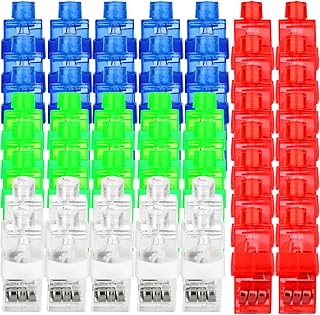 60Pcs LED Finger Lights Flashlights for Kids Glow Party Favors Birthday Christmas Halloween Supplies
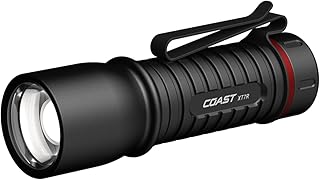 XT7R 1500 Lumen Rechargeable LED Flashlight with Magnetic Mount, Slide Focus, and Pocket Clip, Black
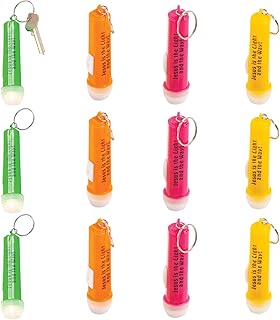 Express Jesus is The Light Flashlight Key Chains (Set of 12) Religious Party Supplies - VBS 2026 Vacation Bible School Supplies/Decor
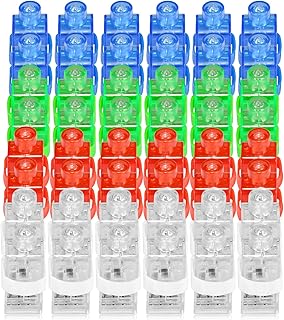 CADE ELECTRONIC Finger Lights- 50Pcs Finger Flashlights for Kids-Bachelorette Party Favors - Party Supplies for Parties Cheering Novelty Toys for Kids, Adult