Introduction
Flashlights remain a staple product across retail, industrial, safety, security and project markets. For importers, wholesalers and contractors, purchasing the right flashlight range requires balancing performance, compliance and cost while ensuring reliable supply and after-sales support. This guide focuses on practical specifications, regulatory and testing requirements, supply-chain considerations, and procurement best practices to help global buyers source flashlights that meet market and project needs.
Key flashlight types and commercial use cases
Understanding product categories helps match inventory to customer demand or project specifications:
- Everyday carry (EDC): Compact, pocketable lights (50–1,000 lumens) for retail and consumer markets.
- Tactical & law-enforcement: High-output (300–3,000+ lumens), robust bodies, momentary-on switches and weapon-mount compatible models for security and defense distributors.
- Search & rescue / industrial searchlights: Very high lumen output and long beam distance for emergency services, ports and large-site contractors.
- Worksite & maintenance: Durable, rechargeable lights with magnetic bases or hands-free features for construction, utilities and maintenance contractors.
- Hazardous area / intrinsically safe: Certified for explosive atmospheres (ATEX/IECEx) for oil & gas, petrochemical and mining projects.
- Specialty: Headlamps, rechargeable lanterns, inspection lamps and multi-function devices that double as power banks.
Core performance specifications to evaluate
Request clear, testable specifications from suppliers. Key parameters include:
- Lumen output: Total light output; specify measured values and testing standards used (e.g., integrating sphere per IES LM-79).
- Beam distance and candela: Use measured candela to calculate beam distance (meters = sqrt(candela/0.25)).
- Runtime: Provide runtime to defined lumen levels (e.g., runtime to 10% of initial output) and under what mode and battery condition.
- Battery type: Alkaline, NiMH, removable Li-ion (18650, 21700), or built-in LiPo rechargeable. Note voltage and capacity (mAh).
- Charging: USB-C, micro-USB, magnetic pogo, or external charger. Fast-charge support (USB-C PD) can be a selling point.
- LED and color: LED type/class, correlated color temperature (CCT) and CRI. For inspection or color-sensitive tasks, specify CRI ≥ 80 or higher.
- Durability: Body material (aluminum alloys), hard-anodizing (Type III), impact resistance and IK rating if available.
- Ingress protection (IP): IPX4 (splash) up to IP68 (dust-tight and immersion). State test standards and conditions.
- Operating temperature and thermal management: Required for high-output models to prevent thermal throttling.
- Weight and size: Important for EDC and headlamp categories.
Electrical and driver considerations
The driver controls brightness, thermal regulation and efficiency. Ask suppliers about:
- Constant-current drivers: Provide stable output and longer LED life compared with PWM-based drivers that can produce flicker.
- Thermal regulation: Automatic output reduction to protect LEDs and battery at high temperatures.
- UI and modes: Ramping vs discrete modes, memory function, strobe/SOS, and lockout to prevent accidental activation during transport.
- EMC and electronic protections: Over-discharge, short-circuit and reverse polarity protection, especially for rechargeable models.
Materials, finish and mechanical design
Durability and perceived quality depend on materials and finishing:
- Housing: 6000-series aluminum (e.g., 6061 or 6082) is common. Look for Type III hard-anodized finish for abrasion resistance.
- Lenses and reflectors: Tempered glass with anti-reflective coatings or polycarbonate for impact resistance. Reflector design affects beam pattern.
- O-rings and seals: Quality silicone O-rings and correct greasing are essential for IP ratings, especially for immersion-rated lights.
- Switches and bezels: Stainless steel or reinforced polymer bezels; tail/tactical switches with positive feedback and lockout function.
Certifications and regulatory compliance
Regulatory approvals vary by market. Verify required certifications upfront:
- Electrical safety & EMC: CE for the EU, UKCA for the UK, FCC for US EMC requirements, and region-specific safety marks (UL/ETL in North America, PSE in Japan, SAA in Australia).
- Battery transport and safety: UN38.3 testing is mandatory for lithium battery shipments; IATA dangerous goods rules apply for air transport.
- Environmental & hazardous area: ATEX and IECEx for explosive atmospheres; MSHA for certain mining uses.
- RoHS & REACH: Restriction of hazardous substances is important for EU markets.
- Labeling: CE/UKCA marks, WEEE/recycling instructions where required, and language-specific manuals for target markets.
Quality assurance and testing to request
Insist on documented testing and factory QA processes:
- Photometric tests: Lumen measurement, beam pattern, candela, color temperature and CRI (LM-79/LM-80 where applicable).
- Environmental tests: IP test (IEC 60529), thermal cycling, salt spray for coastal use, and drop/impact tests.
- Electrical tests: Short-circuit, reverse polarity, over-discharge, and charger compliance (where applicable).
- Battery tests: Capacity, cycle life, overcharge and UN38.3 transport testing.
- Aging/burn-in: Typical aging of 8–48 hours at rated current to screen early failures.
- Inspection: IQC, in-process QC, FQC and random sample pre-shipment inspection with agreed AQL (e.g., AQL 2.5/4.0).
Supply chain, logistics and packaging
Plan the commercial and logistical details to avoid delays and compliance issues:
- MOQ and lead times: Typical MOQs vary by complexity — 500–1,000 units for standard models; OEM custom models often require 2,000+ units. Lead times range 30–90 days depending on tooling and certification status.
- Packing options: Retail-ready blister or printed box, bulk cartons for distributors, inner boxes for project kits. Include multilingual manuals and warranty cards as needed.
- Barcodes & labeling: EAN/UPC or GS1 barcodes for retail markets; regulatory labels and recycling marks for each target market.
- Battery shipping: Comply with UN/IATA rules for air freight — may require special packaging, documentation and cargo-only transport for some battery types.
- Incoterms & payment: Clarify FOB, CIF, DDP terms and acceptable payment methods. Factor in duties, VAT and import compliance.
Warranty, after-sales and spare parts
After-sales support drives buyer confidence, especially for contract and industrial sales:
- Warranty period: Market norms range from 1–5 years. Define what is covered (electronics, body, battery) and exclusions (water ingress due to misuse).
- Repair and spare parts: Availability of spare batteries, O-rings, switches and drivers prolongs product lifecycle.
- RMA process: Clear return and repair procedures, local drop-off partners or designated service centers for larger markets.
Commercial negotiation points
Key items to negotiate early in supplier discussions:
- Unit pricing and volume discounts: Request tiered pricing and consider annual volume commitments for better terms.
- Tooling and customization: Charges for logo printing, custom colors, packaging design and firmware/UI customization.
- Sample policy: Lead time and cost for pre-production and production samples; insist on certified samples for approval.
- Quality penalties: Terms for defective rates and remediation plans, including replacement and refund conditions.
- Exclusivity and territorial rights: For wholesalers and distributors, discuss exclusivity clauses and minimum purchase requirements.
Checklist for evaluating flashlight suppliers
Use a standard checklist during supplier selection and product approval:
- Complete spec sheet including lumen, candela, runtime, battery, and charging specs.
- Photometric and EMC test reports, and copies of relevant certifications (CE/UKCA, FCC, UL/ETL, UN38.3, ATEX/IECEx if needed).
- Factory capabilities: machining, anodizing, assembly and aging lines; QA/QC procedures and capacity for your volumes.
- Sample performance validated by independent lab where possible (integrating sphere, battery cycle testing).
- Packaging mock-ups and labeling in target language(s), barcodes, and logistics cost estimates.
- Clear warranty and RMA terms, plus parts availability and lead times.
- Social and environmental compliance if required by your customers (BSCI, Sedex audit results).
Common pitfalls and how to avoid them
- Relying on manufacturer claims only: Validate through independent testing or audited test reports.
- Ignoring battery transport rules: Non-compliance can delay shipments or incur fines; plan for UN38.3 and IATA documentation.
- Underestimating thermal issues: High-lumen designs require thermal solutions to avoid accelerated LED and driver failure.
- Poor packaging for retail markets: Low-quality packaging increases returns and damages brand perception.
- Certification gaps for target markets: Confirm all mandatory approvals before shipping to each region.
Innovation trends worth considering
Keep an eye on technology and feature trends that add value for buyers and end-users:
- USB-C fast charging: Faster recharge cycles and universal compatibility appeal across markets.
- 21700 cells and higher energy density: Longer runtimes and higher sustained output in compact packages.
- Smart features: App-controlled lights, programmable modes and firmware updates for specialty channels.
- Multi-function designs: Lights that double as power banks, emergency radios or area lights for project and retail differentiation.
- Improved driver tech: Stepless dimming ramps, flicker-free output and intelligent thermal regulation.
How JECTE can support global buyers
As a lighting manufacturer and industrial supply partner, JECTE offers end-to-end support tailored for importers, wholesalers, distributors and contractors:
- Custom product development (OEM/ODM) with rapid prototyping and tooling options.
- Comprehensive testing and certification support, including UN38.3 and region-specific approvals.
- Flexible MOQ solutions, competitive pricing tiers and scalable manufacturing capacity.
- Quality management: IQC, burn-in, photometric testing and pre-shipment inspection with documented reports.
- Logistics assistance for battery-compliant shipping, packaging design and multilingual labeling.
- After-sales support and spare-part provisioning to reduce total cost of ownership and maximize customer satisfaction.
Conclusion and next steps for buyers
Successful flashlight procurement combines technical specification, regulatory compliance and supply-chain rigor. Start by defining target segments and must-have specs, request detailed test reports and certified samples, and negotiate terms that include warranty and spare parts. For project contractors, prioritize durability, IP/IK ratings and battery logistics. For retailers and distributors, focus on retail-ready packaging, competitive price points and consistent quality.
If you are evaluating suppliers or planning a product line, prepare a spec checklist and request certified samples. JECTE can assist with product design, testing, certification and scalable manufacturing to meet your market or project requirements.
Related Products
Explore related products from JECTE for your next sourcing project.
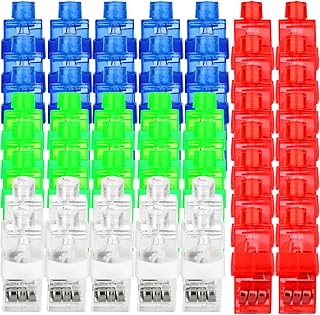 60Pcs LED Finger Lights Flashlights for Kids Glow Party Favors Birthday Christmas Halloween Supplies
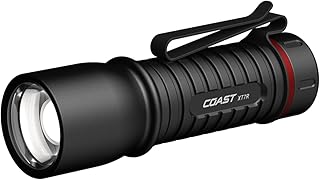 XT7R 1500 Lumen Rechargeable LED Flashlight with Magnetic Mount, Slide Focus, and Pocket Clip, Black
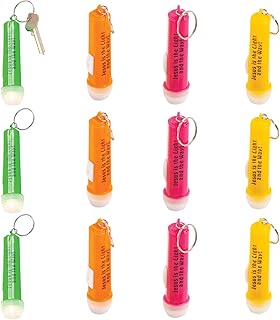 Express Jesus is The Light Flashlight Key Chains (Set of 12) Religious Party Supplies - VBS 2026 Vacation Bible School Supplies/Decor
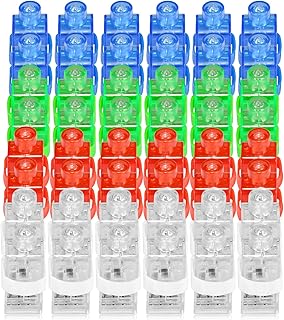 CADE ELECTRONIC Finger Lights- 50Pcs Finger Flashlights for Kids-Bachelorette Party Favors - Party Supplies for Parties Cheering Novelty Toys for Kids, Adult