Introduction: Why this flashlight buying guide matters
For importers, wholesalers, distributors and project contractors, buying flashlights is not just about lumen claims and low prices. Successful B2B purchasing balances product performance, supply-chain compliance, hazardous-goods logistics, certification, and end-customer expectations. This guide distills the technical and commercial considerations you need to source flashlights that sell, perform, and clear customs consistently.
Why product quality and specification transparency matter
When you buy flashlights in volume, small specification gaps become costly problems: returns, warranty claims, failed bids, and air-transport delays for lithium battery shipments. Quality and clear specifications reduce downstream friction and build trust with retail and project clients. Choose suppliers who provide test data, clear labeling, and consistent production runs.
Key technical specifications to evaluate
Focus on measurable, standardized parameters. These determine real-world performance and compliance with buyer expectations.
Lumen output, beam pattern, and beam distance
- Rated lumens — total light output. Beware inflated marketing numbers; request photometric reports or FL1 test results.
- Beam pattern — spot, flood, or adjustable. Match to application: spotlight (long throw) for search/rescue, flood for worksite illumination, adjustable for multi-use scenarios.
- Beam distance and peak beam intensity — critical for tactical and industrial buyers who need guaranteed reach.
LED emitter, color temperature, and CRI
- LED type — Cree, Nichia, Samsung and others vary in efficacy and color rendering.
- Color temperature — 2700K–4000K for warmer work lighting, 5000K+ for high-visibility and search tasks.
- CRI (Color Rendering Index) — important for inspection, medical, and color-sensitive tasks; higher CRI improves visual accuracy.
Power source and batteries
- Replaceable cells — AA/AAA for retail convenience; CR123A for tactical; 18650/21700 lithium for high-performance models.
- Integrated Li-ion — built-in batteries with USB-C or proprietary charging systems simplify usage but complicate disposal and shipping.
- Consider battery availability in target markets and compatibility with local supply chains.
Runtime and charging
- Runtime specifications should indicate test conditions and output level (e.g., lumens for first 30 minutes then stepped output).
- Fast charging (USB-C PD) is an asset for field users; also consider charging durability and waterproof charging ports.
Ingress protection and impact resistance
- IP ratings — IPX4 (splash), IPX7 (submersion up to 1m), IP68 (continuous immersion) — choose based on use-case.
- Impact resistance — often specified in meters drop. Tactical and industrial flashlights should meet higher drop ratings.
Materials, weight, and ergonomics
- Housing materials — aircraft-grade aluminum for heat dissipation and toughness; polymers for budget and corrosion resistance.
- Thermal management — aluminum-bodied flashlights dissipate heat better, enabling higher sustained outputs.
- Weight and grip — balance for extended use, especially for headlamp and handheld work lights.
Controls, modes and user interface
- Switch types — tailcap click, side switch, magnetic remote switch. Consider user ergonomics for intended customers.
- Mode memory, strobe, SOS — include only features that match target applications; avoid overcomplication for retail channels.
Certifications and standards
- ANSI/NEMA FL1 — standardized flashlight performance metrics (lumens, beam, runtime, water and impact resistance). Ask suppliers for FL1 reports.
- Electrical and safety — CE, RoHS, REACH, and local approvals as required by destination markets.
- Hazardous area approvals — ATEX/IECEx for explosive atmospheres, if intended for mining/oil & gas sectors.
Supply chain and regulatory considerations
Buying flashlights globally requires attention to logistics and legal constraints, particularly regarding batteries and labeling.
Lithium battery shipping and dangerous goods
- Understand IATA, IMDG, and UN regulations for lithium-ion and lithium metal batteries — different rules for installed vs. spare batteries.
- Many airlines restrict bulk shipments of lithium batteries; sea freight and ground transport may be preferred for large volumes.
- Packaging, labeling and documentation are strictly enforced — non-compliant shipments risk delays, fines, or returns.
Import compliance and product labeling
- Country-specific requirements: CE and WEE markings for EU, local energy efficiency rules, and language labeling for user manuals.
- Customs classification — ensure HS codes and valuation are correct to avoid clearance delays.
Quality assurance, testing and acceptance criteria
Implement a clear QA plan to reduce variability across production runs.
- Pre-production sample approval — verify performance against agreed FL1 specs and visual quality standards.
- In-line testing — random checks for lumen output, runtime, water ingress, and drop tests per batch.
- Third-party lab testing — for certifications and claims verification, especially for tactical and industrial tenders.
- Label and manual spot checks — ensure safety warnings, battery handling and disposal info are accurate and localized.
OEM/ODM and customization options
Many B2B buyers require private-label flashlights or product modifications. Evaluate supplier capabilities before committing.
- Branding and packaging — logo, color schemes, and box design options to align with retail channels.
- Firmware and mode customization — adjust default modes, lockouts, or introduce programmable features for professional clients.
- Accessory customization — holsters, diffusers, mounts, and battery options tailored for target markets.
- Minimum Order Quantities (MOQs) and tooling costs — clarify up-front to calculate landed cost per unit.
Pricing strategy, MOQs and lead times
Balance unit cost, logistics, and holding costs when negotiating with manufacturers.
- MOQ — typical ranges vary widely. Expect higher MOQs for low-cost models and lower MOQs for premium or specialty builds when paying for tooling.
- Lead times — factor in 8–16 weeks for production plus additional time for testing, certification, and shipping.
- Volume discounts and tiered pricing — negotiate price breaks tied to committed volumes and multi-year contracts.
- Buffer stock — maintain safety stock to avoid stockouts when lithium battery shipments or seasonal demand spikes occur.
Market segmentation: matching flashlight types to buyer needs
Choose flashlight categories based on the end-market to maximize sell-through and minimize returns.
Retail & general wholesalers
- Durable, competitively priced AA/AAA or integrated USB charging models.
- Simple UI and clear packaging that communicates performance.
Tactical and security suppliers
- High-lumen, long-throw models with robust impact and water resistance, tail switches and weapon-mount options.
- Strict documentation and FL1 data to support procurement decisions.
Industrial and project contractors
- Heavy-duty, high-CRi options for inspection tasks, explosion-proof models for hazardous areas, and headlamps for hands-free work.
- Long-term warranties and repair services are valued by contractors.
Emergency services and government procurement
- Models with certified performance, predictable runtimes, and proven durability. ATEX/IECEx approvals may be required.
- Documentation-heavy purchasing processes — pre-test and deliver comprehensive compliance files.
Inspection checklist for incoming flashlight shipments
Use a standard acceptance checklist at receiving to catch non-conforming batches early.
- Visual inspection — finish, engraving, and packaging quality.
- Random functional tests — switch operation, beam pattern, and charging behavior.
- Verify labeling and manuals match market language requirements.
- Sample FL1 checks — lumen output and runtime testing on representative units.
Final recommendations and next steps
Buying flashlights at scale demands technical clarity, regulatory awareness, and supply-chain planning. Start with a detailed specification sheet that includes FL1 targets, battery options, IP and impact ratings, and certification needs. Negotiate MOQs, test responsibilities, and shipping terms up front — especially for products with lithium batteries.
JECTE, as a lighting manufacturer and industrial supply partner, supports global buyers with customizable flashlight platforms, regulatory documentation support, and supply-chain solutions for lithium battery logistics. If you need a sample evaluation, FL1 testing, or an OEM proposal tailored to your market, start with a clear specification list and volume forecast to accelerate sourcing and avoid costly delays.
Use the checklist below to prepare your RFQ (Request for Quotation):
- Intended application and target market.
- Required lumen output, beam distance and beam type.
- Battery type (replaceable vs integrated) and charging method.
- Minimum IP and impact ratings, material preferences.
- Certifications required (FL1 report, CE, ATEX, etc.).
- Branding, packaging, and MOQ expectations.
- Preferred lead times and delivery terms (Incoterms).
Well-defined requirements yield better quotes, predictable production, and satisfied customers. When your team is ready to source or customize flashlights, provide this RFQ checklist to potential suppliers to receive accurate technical proposals and competitive pricing.
Related Products
Explore related products from JECTE for your next sourcing project.
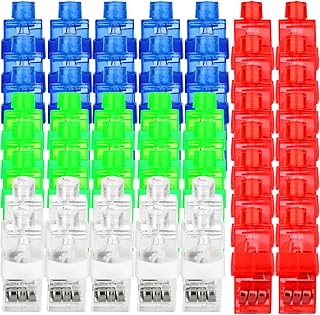 60Pcs LED Finger Lights Flashlights for Kids Glow Party Favors Birthday Christmas Halloween Supplies
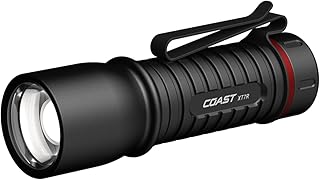 XT7R 1500 Lumen Rechargeable LED Flashlight with Magnetic Mount, Slide Focus, and Pocket Clip, Black
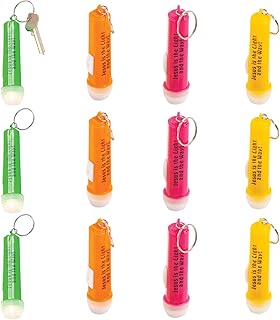 Express Jesus is The Light Flashlight Key Chains (Set of 12) Religious Party Supplies - VBS 2026 Vacation Bible School Supplies/Decor
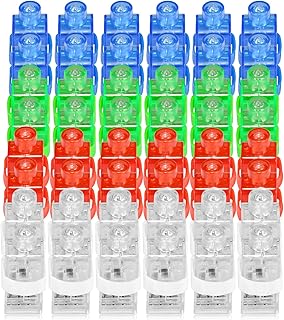 CADE ELECTRONIC Finger Lights- 50Pcs Finger Flashlights for Kids-Bachelorette Party Favors - Party Supplies for Parties Cheering Novelty Toys for Kids, Adult