Introduction: Why this flashlight buying guide matters for B2B buyers
Flashlight selection for industrial supply, retail distribution, or project procurement goes beyond simple brightness. Importers, wholesalers, distributors, and contractors need to evaluate technical specifications, compliance and testing, manufacturing capacity, and total cost of ownership. This guide helps you assess flashlight product families, request the right documentation, manage supplier risk, and migrate from sample to volume supply with confidence.
Understand core flashlight types and commercial use cases
Start by matching flashlight types to end uses. Different markets demand different form factors and performance characteristics.
- General-purpose handheld: Consumer and light industrial use; wide beam options, lower price points.
- Tactical: Law enforcement, security, military contractors; focus on high output, strobe modes, weapon mounts, and ruggedness.
- Industrial and utility: For maintenance, manufacturing, and inspection tasks; often require long runtimes, impact resistance, and higher ingress protection (IP) ratings.
- Headlamps: Hands-free solutions for construction, mining, and rescue. Look at beam patterns, strap durability, and battery placement.
- Explosion-proof/ATEX-rated: For oil & gas, chemical, and mining, where intrinsic safety and certification are mandatory.
- Penlights and compact keychain models: For retail, corporate giveaways, and technicians who need a pocket-sized light.
Key performance metrics to request from suppliers
Use standardized test metrics to compare models objectively. Ask suppliers to provide test reports that follow recognized methods (for example FL1-style testing where applicable).
- Lumen output: Total light emitted. Clarify whether figures are peak, boost, or sustained.
- Beam distance (meters): Measured to the point where illuminance falls to 0.25 lux; useful for outdoor and search applications.
- Runtime: How long the flashlight maintains usable output; ask for runtime to a specified level (e.g., until output drops to 10% of initial).
- Intensity (candela): Important for spotlighting and tactical usage.
- Power source and battery life: Capacity in mAh for rechargeable cells, expected cycles for rechargeable batteries, and expected shelf life for primary batteries.
- Thermal management: Heat dissipation affects sustained output and life of LEDs and electronics.
- Weight and dimensions: Critical for handheld ergonomics and bulk shipping calculations.
Battery and charging options
Battery choice affects performance, logistics, safety, and warranty. Discuss options with your supplier:
- Alkaline/primary cells: Low upfront cost, widely available, but lower energy density and not rechargeable.
- NiMH rechargeable: Good cost-performance for mid-range products; moderate self-discharge.
- Li-ion rechargeable (protected/unprotected): High energy density and long runtimes; common chemistries include 18650 and 21700 cells. Confirm cell origin, protection circuits, and cycle life.
- Integrated battery packs: Allow slimmer designs and USB-C or proprietary charging. Confirm IP rating when charging ports are present.
- Charging methods: USB-A, USB-C, magnetic docking, cradle chargers, and vehicle adapters. For large fleets, consider centralized chargers and spare-battery workflows.
Durability, protection, and environmental ratings
Flashlights used in industrial settings must withstand abuse, dust, water, and sometimes hazardous atmospheres. Key specs to evaluate:
- Ingress Protection (IP) rating: IP65/IP67 are common — IP67 protects against temporary immersion, IP68 for continuous immersion at specified depth and time.
- Impact rating: Often stated as drop height (e.g., 1m, 2m). Aluminum-bodied tactical lights may exceed standard drop tests.
- Corrosion resistance: Important in marine and chemical environments; anodized aluminum and stainless steel hardware are common upgrades.
- Operating temperature range: Ensure battery and electronics are rated for your deployment climate, from arctic conditions to high-heat applications.
- Explosion-proof / Intrinsically safe (ATEX, IECEx): Required for hazardous area deployment. Confirm certification class/zone and the specific gas group rating.
Materials, finishes, and serviceability
Material selection affects durability, cost, and perceived quality.
- Body materials: Die-cast or CNC-machined aluminum (6061-T6, 6063) for robustness; high-grade plastics and polycarbonate for lightweight consumer models.
- Lens and reflector: Glass lenses offer scratch resistance; polycarbonate is lighter and impact-resistant. Consider anti-reflective coatings or tempered glass for premium models.
- Seals and O-rings: Replaceable seals facilitate maintenance. Ask about spare parts availability.
- Modular design: For large contracts, modular flashlights with replaceable heads or battery packs reduce lifecycle cost.
Regulatory compliance and certifications
Regulatory and safety certifications can be decisive for market access and project acceptance. Request copies of certificates from suppliers and confirm they match the intended shipping region.
- CE and RoHS: Required for EU markets; RoHS restricts hazardous substances in electronics.
- FCC/IC: Relevant if the flashlight includes RF components (e.g., Bluetooth control).
- UN 38.3 / IATA compliance: For air shipping lithium batteries. Ensure tested packaging and documentation for Li-ion shipments.
- ATEX / IECEx: For explosive atmospheres — mandatory for oil, gas, and mining in many regions.
- NRTL / UL: For some North American procurement specifications — especially if integrated chargers are used.
Quality assurance and testing to demand
Buyers should ask about the supplier's QA processes and independent testing. Documented evidence reduces risk and accelerates approvals.
- Production testing: Burn-in, waterproof tests, drop tests, and electrical safety checks conducted on a sample or batch basis.
- Third-party laboratory reports: Independent verification for lumen output, runtime, battery safety, and ATEX where required.
- Incoming materials inspection: Especially for LEDs and battery cells — ask for supplier traceability and lot records.
- Lifetime and cycle testing: For rechargeable models, request cycle life data and expected capacity retention at given cycles.
Customization, branding, and OEM options
Many B2B buyers require private-label or OEM options. Discuss feasible customization levels early in supplier discussions.
- Branding: Laser engraving, pad printing, and color anodizing are common for distributor or retail branding.
- Packaging: Retail-ready packaging, bulk wholesale packs, or custom instruction manuals and multilingual labels.
- Firmware and modes: Tailor mode spacing, strobe, SOS, and user interface for target markets or contracts.
- Accessory bundles: Holsters, diffusers, filters, spare batteries, and chargers add value for retail or contractor packs.
- MOQ and tooling: Clarify minimum order quantities for custom colors, logos, and molded accessories.
Supply chain and logistics considerations
Assess supplier capacity, lead times, and shipping constraints, especially for battery-containing products.
- Lead time and capacity: Confirm factory production capacity, peak-season impacts, and buffer stock options.
- Packing and palletization: Optimize packaging for freight cost and damage prevention; request unit per carton counts and pallet specs.
- Shipping batteries: Lithium batteries are regulated; choose compliant packaging and carriers. Surface shipping may be required for certain Li-ion quantities.
- Incoterms and warranties: Clarify responsibilities for freight, duties, insurance, and after-sales service with clear Incoterms (e.g., FOB, CIF, DDP).
- After-sales support and spare parts: Secure agreements for spare O-rings, chargers, and replacement batteries to reduce downtime for project customers.
Procurement checklist: specifications to include in RFQs
Use this checklist when issuing a Request for Quotation (RFQ) to ensure apples-to-apples comparisons.
- Product type and model name/number
- Required lumen output (peak and sustained) and beam distance
- Battery type and capacity, charger type, and expected cycle life
- IP and impact ratings, operating temperature range
- Materials and finish (body, lens, reflector)
- Required certifications (CE, RoHS, ATEX, UN38.3, etc.)
- Sample requirements and pre-production approval process
- MOQ, unit price at defined quantity breaks, and lead time
- Packing configuration, palletization, and shipping method
- Warranty terms, repair/replacement policies, and spare parts availability
Cost drivers and total cost of ownership
Price per unit is only one cost factor. Consider lifecycle costs and supply reliability.
- Unit price vs. performance: Higher upfront costs for premium LEDs, batteries, and materials often yield longer service life and lower replacement rates.
- Warranty and returns: A supplier with robust warranty and localized support reduces operational risk.
- Battery replacement and disposal: For rechargeable models, factor the cost of battery replacements and safe disposal of Li-ion cells.
- Logistics and compliance: Costs for compliant packaging, hazardous shipping surcharges, and potential regulatory delays.
From sample approval to production: practical steps
Follow a structured process to move from evaluation sample to production shipment.
- Order functional samples and production-intent samples to check materials, finish, and packaging.
- Perform in-house tests or engage third-party labs for lumen, runtime, and safety testing.
- Approve pre-production sample (PPS) showing final tooling, labeling, and serial numbers if required.
- Agree on inspection plans: pre-shipment inspection (PSI), production monitoring, and first article inspection (FAI) where relevant.
- Document defect thresholds and corrective action timelines to govern potential rework or re-dos.
Why partner with an experienced manufacturer like JECTE
JECTE is positioned to support global buyers with manufacturing experience, regulatory know-how, and supply chain capabilities. As an industrial lighting partner, JECTE offers:
- Product development and customization services for OEM/white-label flashlight programs.
- Quality-management systems, production testing, and certifications support for export markets.
- Assistance with battery compliance, packaging for hazardous goods, and logistics planning.
- Flexible MOQ options and capacity to scale from pilot runs to full production.
- After-sales support, spare parts, and warranty service tailored for distributors and project contractors.
Final recommendations for buyers
When sourcing flashlights at scale, prioritize verifiable performance data, regulatory compliance, and supplier transparency. Request full technical dossiers, third-party test reports, and production samples before committing to volume orders. Factor shipping and battery regulations into cost and lead-time calculations. For safety-critical or hazardous-area deployments, insist on ATEX/IECEx-certified products and a clear maintenance plan.
Ready to proceed?
For support with specification development, sample procurement, or production planning, contact JECTE to discuss OEM and wholesale flashlight solutions designed for industrial, commercial, and project applications. A strong manufacturing partner reduces procurement risk and shortens time-to-market.
Related Products
Explore related products from JECTE for your next sourcing project.
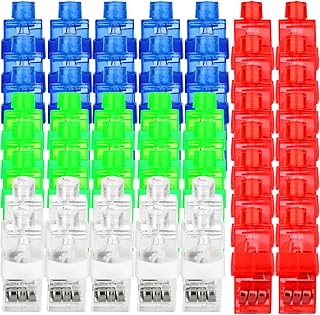 60Pcs LED Finger Lights Flashlights for Kids Glow Party Favors Birthday Christmas Halloween Supplies
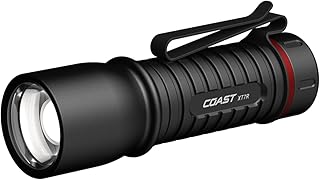 XT7R 1500 Lumen Rechargeable LED Flashlight with Magnetic Mount, Slide Focus, and Pocket Clip, Black
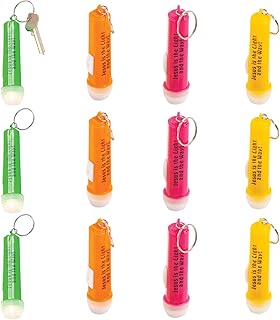 Express Jesus is The Light Flashlight Key Chains (Set of 12) Religious Party Supplies - VBS 2026 Vacation Bible School Supplies/Decor
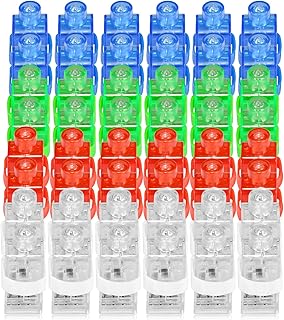 CADE ELECTRONIC Finger Lights- 50Pcs Finger Flashlights for Kids-Bachelorette Party Favors - Party Supplies for Parties Cheering Novelty Toys for Kids, Adult