Introduction: Why this flashlight guide matters for B2B buyers
Flashlights remain a core product line for lighting distributors, industrial suppliers and project contractors. Despite widespread adoption of LED technology, purchase decisions for flashlight products are driven by technical performance, regulatory compliance, supply reliability and total cost of ownership. This guide focuses on what global importers, wholesalers, distributors and contractors need to evaluate when sourcing flashlight products, with practical checklists for specification, testing and supplier selection.
Understand the product categories
Knowing product categories helps you match inventory to customer demand and project requirements. Typical categories include:
- Handheld flashlights: General purpose, tactical and professional models.
- Headlamps: Hands-free lighting for industrial, maintenance and outdoor use.
- Inspection lights: Flexible neck, pocket or penlights optimized for close-up work.
- Worklights and area lights: Flood and lantern-style lights for job sites.
- Specialty flashlights: Intrinsically safe, marine-rated, or ATEX/IECEx certified models for hazardous locations.
Key technical specifications to demand from suppliers
Ask suppliers to provide data sheets with objective measurements. Avoid purchasing based solely on marketing terms like "super bright." Require the following specifications:
- Luminous flux (lumens): Measured output under standard conditions.
- Beam pattern: Candela and beam distance for spot vs. flood characteristics.
- Color temperature and CRI: Especially important for inspection or imaging applications.
- Runtime: Measured runtime at specified mode until a defined lumen drop (e.g., 10% or 30%).
- Power source and battery chemistry: Alkaline, NiMH, Li-ion (IMR/ICR), including cell model and capacity (mAh).
- Rechargeability and charging method: USB-C, micro-USB, docking station or external charger.
- Build materials and finish: Anodized aluminum, polycarbonate, ABS, stainless steel, and coatings.
- Ingress protection (IP) rating and impact resistance (drop test height).
- Operating temperature range and thermal management specifications.
LED technology and optics
LEDs are the core of modern flashlight performance. For B2B purchases, consider:
- LED type and manufacturer: Reputable emitters (e.g., Cree, Nichia, Osram) deliver consistent performance and supply chain traceability.
- LED binning and color consistency: Important for large orders or products displayed together.
- Optics and reflectors: Smooth reflectors for throw, textured or TIR optics for even flood beams.
- Beam adjustability: Zoom or adjustable head mechanisms add complexity—ensure mechanical durability tests are provided.
Power options and lifecycle costs
Battery choice affects product appeal, safety, and total cost of ownership. Key considerations:
- Disposable vs rechargeable: Rechargeable Li-ion models offer lower long-term cost but require battery safety measures and clear transport documentation.
- Standard cell compatibility: Models that accept common cells (18650, CR123A, AA) often have broader market appeal.
- Integrated battery packs: Allow sleeker designs and dedicated charging but increase warranty and EOL responsibilities.
- Battery management: Overcharge, over-discharge and thermal protection circuitry improve safety and longevity.
Durability, ingress protection and certifications
Durability metrics and certifications directly affect target markets and allowable sales channels:
- IP rating: IP54 and above for dust and splash resistance; IP67/IP68 for waterproof applications.
- Impact rating: Typical ratings reference drop heights (e.g., 1m–3m) — request test reports.
- Hazardous location approvals: ATEX, IECEx, and intrinsic safety markings for mining, petrochemical and confined-space markets.
- Electromagnetic compatibility (EMC) where charging electronics are present.
Regulatory compliance and testing
Global buyers must verify compliance with destination market rules. Ask suppliers for:
- CE declaration and relevant directives (EMC, RoHS).
- UL/ETL or equivalent safety approvals for North American markets when required.
- UN38.3 battery transport test reports and shipping classification for Li-ion cells.
- REACH and WEEE considerations for EU distribution.
- Test lab reports for photometric (integrating sphere), IP and mechanical testing.
Design, customization and branding options
Private-label and OEM opportunities boost margins and customer loyalty. Typical customization services offered by manufacturers include:
- Logo engraving, silk-screen or molded branding on housings and packaging.
- Custom packaging design and multilingual manuals tailored to target markets.
- Color, finish and accessory bundles (holsters, clips, wrist straps, chargers).
- Firmware tuning: programmable modes, strobe or SOS features, and mode memory behavior.
Supply chain, MOQ and lead times
Understand supplier capabilities to manage inventory and project timelines:
- Minimum order quantities (MOQ): Manufacturers commonly set MOQs for OEM/ODM runs; negotiate sample and pilot quantities.
- Lead times: Standard production lead times vary with seasonality and component supply (LEDs, battery cells). Confirm lead-time SLAs for production and replenishment.
- Component traceability: Request BOM lists and approved vendor lists for critical parts like LED emitters and battery cells.
- Contingency plans: Confirm alternative sourcing options for constrained components and dual-sourcing strategies.
Quality control and inspection regime
Robust QC prevents returns and maintains brand reputation. Typical QC steps and documentation to request:
- Incoming inspection reports for LEDs, PCBs, cells and housings.
- In-process inspection and functional testing for every unit or statistically sampled batches.
- End-of-line tests: photometric testing, runtime checks and waterproof dip tests.
- Packaging inspection and drop-shipment verification for logistics compliance.
Packaging, labeling and market compliance
Packaging must meet retail and regulatory needs for each market. Consider:
- Multilingual labels and safety instructions per destination country requirements.
- Barcodes (EAN/UPC), country-of-origin markings and customs documentation to smooth cross-border shipments.
- Eco-packaging requests from large retail clients and recycling guidance for batteries.
Pricing strategy, margins and total cost
Price is more than unit cost. Calculate total landed cost, including freight, duties, compliance testing and after-sales support. For B2B buyers:
- Compare FOB vs CIF pricing and include import taxes and local certification costs in margin calculations.
- Factor in warranty reserves and potential RMA rates—discounted pricing can be offset by higher failure rates from low-cost suppliers.
- Consider tiered inventory: premium professional lines for contractors and lower-cost consumer ranges for mass retail.
Sample evaluation and acceptance testing
Before committing to bulk orders, run a structured sample evaluation:
- Receive engineering and production samples for side-by-side photometric and runtime testing.
- Implement real-world field trials with representative end-users (site crews, maintenance teams) to validate ergonomics and robustness.
- Request manufacturing process inspections or third-party audits for larger orders.
After-sales support and warranty
Establish clear warranty terms and returns processes with suppliers. Key points to negotiate:
- Warranty period and coverage (batteries often excluded or covered separately).
- Advance replacement or cross-docking for critical project orders to avoid downtime.
- Spare parts availability for battery packs, chargers and accessories.
- Warranty claims handling timeline and RMA logistics.
Buying checklist for flashlights
Use this concise checklist to evaluate suppliers and SKUs:
- Complete spec sheet with lumens, candela, beam distance and runtime.
- Manufacturer and LED cell traceability; battery model and safety features documented.
- Relevant certifications and test reports for destination markets.
- IP and impact test reports; operating temperature range specified.
- MOQ, lead time and pricing tiers documented in a purchase agreement.
- Sample testing and field evaluation completed before bulk order approval.
- Warranty, spare parts and after-sales support plan agreed in writing.
Why consider JECTE as your flashlight manufacturing partner
JECTE is an experienced lighting manufacturer and industrial supply partner that works with global buyers on product development, compliance and supply-chain management. We provide:
- Custom OEM/ODM flashlight development with engineering support to match market needs.
- Photometric and environmental testing during product development and production validation.
- Assistance with certification packages, UN38.3 documentation for battery transport and regional regulatory support.
- Flexible MOQ options, packaging customization and private-label services tailored to distributors and retail partners.
- Quality control processes, production audits and post-shipment support to minimize returns and RMA cycles.
Next steps for procurement teams
To move from evaluation to procurement, follow these practical steps:
- Prepare an RFP with required technical specs, target price and projected volumes by SKU.
- Request engineering samples and set acceptance criteria for testing and field trials.
- Obtain a formal quotation with lead times, MOQ and payment terms. Negotiate sample and pilot run terms.
- Confirm compliance documentation, test reports and packaging/labeling requirements before booking production slots.
- Plan logistics with considerations for battery shipments, customs clearance and local certifications.
Conclusion
Sourcing flashlights for distribution or project use requires balancing technical performance, regulatory compliance, supply reliability and total landed cost. By demanding clear specifications, verifying certifications, conducting sample testing and partnering with a manufacturer that offers engineering and supply-chain support, buyers can reduce risk and capture higher margins. JECTE partners with global buyers to deliver compliant, tested and customizable flashlight solutions with transparent QC and logistics support—helping distributors and contractors meet their product and project timelines reliably.
Related Products
Explore related products from JECTE for your next sourcing project.
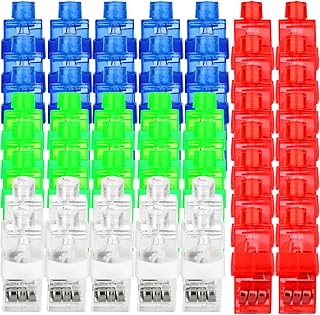 60Pcs LED Finger Lights Flashlights for Kids Glow Party Favors Birthday Christmas Halloween Supplies
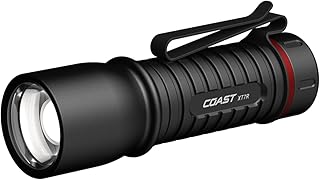 XT7R 1500 Lumen Rechargeable LED Flashlight with Magnetic Mount, Slide Focus, and Pocket Clip, Black
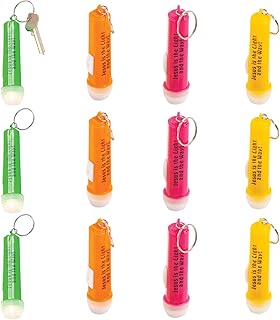 Express Jesus is The Light Flashlight Key Chains (Set of 12) Religious Party Supplies - VBS 2026 Vacation Bible School Supplies/Decor
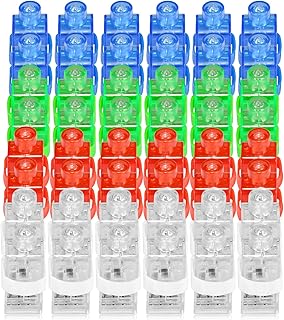 CADE ELECTRONIC Finger Lights- 50Pcs Finger Flashlights for Kids-Bachelorette Party Favors - Party Supplies for Parties Cheering Novelty Toys for Kids, Adult