Overview: Why this flashlight buying guide matters
Flashlight demand spans consumer, industrial, tactical and hazardous-area applications. For importers, wholesalers and project contractors, selecting the right flashlight line affects sales, safety, warranty costs and project outcomes. This guide consolidates the technical, commercial and supply-chain criteria you need to evaluate flashlight suppliers, products and logistics.
Primary specifications to evaluate
Start with core performance and durability metrics. These determine whether a flashlight meets the end-use requirements and legal/regulatory constraints.
Lumen output and useful lumens
- Raw lumens vs useful lumens: Manufacturers commonly quote peak lumens; ask for useful lumens at typical operating temperature and after thermal regulation.
- Application targets: 100–500 lm for EDC; 500–2000 lm for maintenance and tactical; 2000+ lm for search and rescue.
Beam pattern: throw, flood and adjustable optics
- Throw (focused beam) for long-distance illumination—important for security, search and rescue.
- Flood (wide beam) for area lighting—preferred by contractors and industrial workers.
- Zoom or multi-optic designs offer versatility but add cost and moving parts.
Runtime and thermal management
- Runtime specs must include the output curve—many lights start at high lumens and step down rapidly due to heat.
- Thermal regulation: passive heatsinks vs active throttling. Aluminum housing with fins improves heat dissipation for high-output models.
Battery type and charging
- Rechargeable Li-ion (18650, 21700) gives best energy density and runtime; consider OEM-verified cell brands (Panasonic, Samsung, LG).
- Disposable alkaline and CR123A are common for tactical markets; they simplify shipping but increase lifetime cost for users.
- Charging methods: USB-C fast charge, magnetic charges, and charging cradles. USB-C is becoming standard for B2B products.
Ingress protection and impact resistance
- IP ratings (IP65/IP67/IP68) indicate dust/water resistance. For outdoor and industrial use, require at least IP66–IP67.
- Impact rating (drop test in meters) and IK ratings matter for harsh environments.
Materials, weight and ergonomics
- Common materials: anodized aluminum (durable, good thermal conduction), stainless steel components, and reinforced polymers for lightweight models.
- Grip, switches, and accessory interfaces (clip, tail stand, holster loops) affect usability for target customers.
Modes and controls
- Mode sets (low/medium/high/strobe/SOS) should match end-use: minimal modes for industrial continuity, specific strobe patterns for tactical users.
- Consider lockout function to prevent accidental activation during shipping or in-pocket carry.
Certifications, testing and compliance
Certifications reduce risk and unlock markets. Ask suppliers for test reports, not only certificates.
Electrical and safety standards
- CE marking for EU market; RoHS for hazardous substances compliance.
- UL or ETL for North American markets where applicable—especially if the product includes integrated chargers or AC adapters.
Battery and transport regulations
- UN 38.3 test report is mandatory for transporting lithium cells or batteries by air and useful for sea shipments too.
- Classification: UN3480 for lithium-ion cells and batteries shipped separately; UN3481 when shipped contained in equipment. Proper labeling and documentation are essential to avoid freight delays.
Ingress and mechanical tests
- IEC 60529 testing for IP ratings; request actual test reports for claimed IP67/IP68 ratings.
- Impact/drop tests (MIL-STD-810 or equivalent) and salt-spray tests for coastal environments.
Product categories and recommended specs by application
Define SKUs for each target market segment. Typical product lines simplify inventory and ordering for wholesalers and distributors.
Everyday carry (EDC) and retail
- Lumen: 100–1000 lm
- Battery: single 18650 or integrated rechargeable
- IP: IP54–IP67
- Price: mid-range; emphasize compact size, pocket clip, and branded packaging
Industrial and maintenance
- Lumen: 500–2000 lm with stable runtime
- Battery: rechargeable 18650/21700 or replaceable AA/CR123A options
- IP/IK: IP67+, 2–3 m drop tested
- Features: wide flood beams, multiple mounting options, long runtime and robust warranties
Tactical and law enforcement
- Lumen: 1000–3000 lm with strong throw and quick-access strobe
- Battery: high-drain Li-ion cells, dual-fuel capability (18650 + CR123A)
- Build: anti-slip, bezel, weapon-compatibility and tail switches
- Certs: consider military spec testing if targeting defense procurement
Hazardous area and mining
- Intrinsic safety or explosion-proof certification (IECEx, ATEX) is mandatory in many jurisdictions
- Battery containment, spark-proof switches and robust housing are required
Quality control, testing and procurement due diligence
Minimize defects and recall risk with a disciplined supplier evaluation process.
Sample and pilot testing
- Request pre-production samples and run them through your own functional, drop, IP and runtime tests.
- Evaluate thermal behavior over extended operation cycles; measure lumen output at 60 seconds and at 30 minutes.
Factory audits and process controls
- Inspect the supplier's battery handling, ESD controls for electronics, and final assembly cleanliness.
- Review quality management system (ISO 9001) and calibration records for test equipment.
Inspection and AQL
- Define AQL levels for functional and cosmetic defects. Pre-shipment inspection (PSI) should include operational test, charge/discharge cycles and packaging checks.
- Include random batch testing for battery safety and charging circuitry.
Commercial considerations: pricing, MOQ and lead times
Understand the cost drivers and negotiate terms that match your business model.
Key price drivers
- LED binning and brand, battery cell quality, driver complexity and housing material.
- Certifications and testing costs for safety, IP and hazardous-area approvals add to unit cost, especially for small runs.
MOQ and customization
- Standard SKU MOQs can range from 100–1,000 units. Custom branding, packaging and firmware often require higher MOQs.
- Negotiate staggered production to reduce inventory risk—initial pilot order + scaled replenishment.
Lead time and inventory strategy
- Lead times depend on cell availability and certification steps; plan 8–16 weeks for custom models with battery testing.
- For fast-moving SKUs, keep buffer stock and consider consignment or vendor-managed inventory for key accounts.
Logistics and export: battery shipping and labeling
Battery transport is one of the most common causes of shipment delays and extra costs. Plan logistics with battery-specific rules in mind.
- Air transport of lithium batteries is heavily restricted; use proper classification (UN numbers), documentation and packaging.
- Sea freight restricts certain battery types and may still require UN 38.3 documentation and appropriate markings.
- Consider shipping devices with batteries installed (UN3481) vs separate cells (UN3480); note carrier restrictions and insurance considerations.
- Labeling: include battery handling labels, state of charge guidelines, and safety datasheets (MSDS/ SDS).
After-sales service, warranty and spare parts
Reliable after-sales support reduces returns and strengthens distributor relationships.
- Warranty terms: typical commercial warranties run 1–3 years; include clear coverage for batteries and chargers.
- Spare parts: provide replacement O-rings, lenses, switches and battery modules to reduce unit replacement.
- Repair policy: offer RMA procedures, part-level repair guides and a replacement pool for fast swap-out to maintain uptime on projects.
Sustainability and end-of-life considerations
Environmental regulations and buyer expectations increasingly require recycling plans and material transparency.
- Design for disassembly improves battery removal and recycling.
- Provide end-of-life guidance for battery recycling and safe disposal labels.
- Document restricted materials compliance (RoHS) and, if applicable, product lifecycle assessments for large projects.
Sourcing checklist for procurement teams
Use this short checklist when qualifying flashlight suppliers and product lines.
- Requested spec sheet with lumens, beam distance, runtime curve and thermal data.
- Copies of test reports: UN38.3, IP/ingress testing (IEC 60529), drop tests, EMC/EMI where chargers included.
- Battery cell brand and certificate of origin; MSDS for battery chemistry.
- Sample testing results and confirmation of functional test procedure at supplier's factory.
- MOQ, unit pricing breaks, lead times, and tooling or customization fees.
- Warranty and RMA policy; spare parts availability and lead times for replacements.
- Packaging and labeling samples including translations for destination markets.
Custom options and private-labeling
For wholesalers and distributors, private-label flashlights are a growth opportunity. Typical customizations include:
- Branding: laser-engraved logos, custom housing colors, and branded packaging inserts.
- Firmware: tailored mode sets and user interfaces for different customer segments.
- Accessories: holsters, magnetic mounts, vehicle chargers and spare batteries packaged as kits.
Working with JECTE as a lighting manufacturer and supply partner
JECTE is an industrial lighting manufacturer and supply partner that supports global buyers from specification through delivery. We offer configurable flashlight platforms with selectable LED engines, battery options and certifications. Our services for importers and distributors include sample programs, factory audits, QC testing, and customized packaging to meet regional market requirements.
Final recommendations
When buying flashlights at scale, balance upfront price with long-term cost of ownership—battery replacements, warranty claims and customer returns add to total cost. Prioritize suppliers who provide transparent test reports, reliable cell sourcing, and established logistics for battery transport. Build a phased rollout: pilot orders, field testing, and then scaled replenishment. This approach protects margins and maintains reputation with downstream customers and contractors.
Ready to evaluate flashlight options or request samples? Contact JECTE to discuss product platforms, certifications, and supply programs tailored to your market and project needs.
Related Products
Explore related products from JECTE for your next sourcing project.
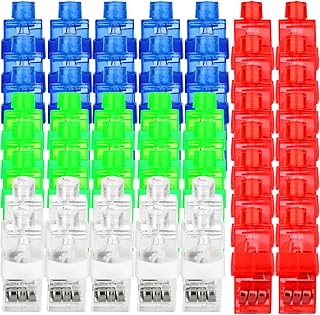 60Pcs LED Finger Lights Flashlights for Kids Glow Party Favors Birthday Christmas Halloween Supplies
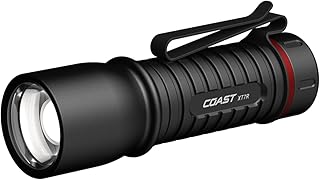 XT7R 1500 Lumen Rechargeable LED Flashlight with Magnetic Mount, Slide Focus, and Pocket Clip, Black
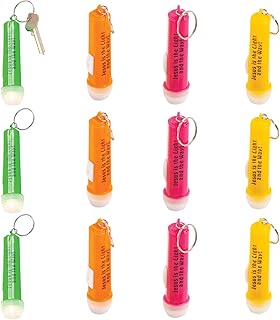 Express Jesus is The Light Flashlight Key Chains (Set of 12) Religious Party Supplies - VBS 2026 Vacation Bible School Supplies/Decor
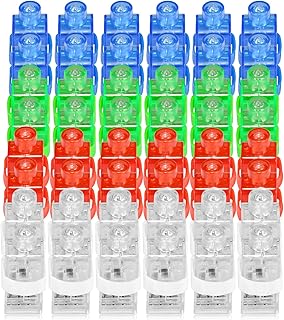 CADE ELECTRONIC Finger Lights- 50Pcs Finger Flashlights for Kids-Bachelorette Party Favors - Party Supplies for Parties Cheering Novelty Toys for Kids, Adult