Introduction
For global lighting importers, wholesalers, distributors and project contractors, flashlights remain a high-volume, high-utility product line. Sourcing the right models requires more than price comparison. Buyers must balance optical performance, battery technology, durability, certifications and logistics. This guide breaks down the key technical and commercial decisions to help you evaluate suppliers, reduce risk and speed time to market. JECTE supports buyers with manufacturing flexibility, testing capability and supply-chain experience.
How to Define Your Product Requirements
Start by defining the end use and sales channel. Flashlights for retail, industrial projects, emergency response and OEM kits have different priorities. Document these core attributes before engaging suppliers.
Questions to answer
- Primary application: tactical, worksite, inspection, everyday carry, camping, emergency?
- Power source: disposable batteries, rechargeable removable cells, or built-in rechargeable? Which chemistry - alkaline, NiMH, Li-ion?
- Performance: required maximum lumen output, beam distance, hotspot shape, or flood beam?
- Durability: targeted IP rating, impact resistance and operating temperature range?
- Certifications: CE, RoHS, FCC, UL or IEC for chargers, and UN38.3 for lithium batteries?
- Packaging and labeling: retail-ready, bulk cartons, multilingual labels, barcodes?
- Price and MOQ targets: unit target price, acceptable MOQ, and expected lead time?
Key Technical Specifications Buyers Should Require
Standardize specifications in requests for quote (RFQ) and contracts. Use industry metrics where possible to enable apples-to-apples comparisons.
Optical performance
- Lumens - total light output. Ask for ANSI/NEMA FL1 measured values when possible.
- Beam distance - typically reported as maximum usable distance per ANSI FL1.
- Candela - peak intensity used to calculate beam distance.
- Beam pattern - spotlight, flood, adjustable focus, or TIR optics for smooth beams.
- Color temperature and CRI - 5000-6500K common for bright white; specify CRI if color rendering matters.
Power and runtime
- Battery chemistry: alkaline for low price, NiMH for rechargeable legacy cells, Li-ion (18650/21700) for highest energy density.
- Built-in charging: USB-C PD support, micro-USB, or proprietary docking? Consider PD fast-charge for rapid turnaround in professional use.
- Runtime - provide ANSI FL1 runtime at a specified mode (e.g., high mode until step down or cutoff).
- Battery management - overcharge, thermal, short-circuit and over-discharge protection for Li-ion systems.
Mechanical and environmental ratings
- IP rating - IPX4 minimum for splash resistance; IP66-IP68 for dustproof and submersible requirements.
- Impact resistance - specify drop height in meters per military or vendor test (e.g., 1m, 2m, 3m).
- Housing materials - aluminum alloys for heat dissipation and durability or engineering plastics for low cost and corrosion resistance.
- Weight and dimensions - important for packaging and freight calculations.
Certifications and Compliance You Must Check
Certifications protect buyers and end users and are often required by retailers or project specifications.
- CE and RoHS - mandatory for EU markets to ensure electrical safety and restricted substances compliance.
- FCC - for models with wireless or radio functionality, and sometimes for switching regulators to limit EMI.
- UL or ETL - for chargers, docking stations and power supplies to meet North American electrical safety standards.
- UN38.3 and IATA DGR paperwork - mandatory for air transport of lithium batteries; check whether batteries are shipped installed or separately.
- ANSI FL1 - an industry standard for reporting luminous outputs, beam distance and runtime. Request test reports or lab certifications.
Battery Sourcing and Logistics Considerations
Batteries often drive compliance and logistics complexity. Decide early whether you will sell flashlights with disposable cells, removable rechargeable cells, or internal packs. Each approach has trade-offs.
Key considerations
- Air freight restrictions for lithium-ion cells - UN38.3 certification and proper packaging needed; some carriers or routes may restrict quantities.
- Supply continuity - cell shortages can disrupt production. Request cell supplier details or approvals if high-reliability sourcing is required.
- Spare parts and aftermarket cells - plan for replacement cells, chargers and service parts to support after-sales.
- Battery labeling and documentation - include safety labels, MSDS and transport declarations as required by destination country.
Durability Testing and Quality Control
Insist on a clear quality control plan and sample testing. Avoid accepting only visual checks; require functional and accelerated life testing.
Recommended test matrix
- Integrating sphere lumen test to verify output against spec.
- Thermal performance and heat dissipation - check LED junction temperatures under high mode.
- Burn-in - 4 to 48 hours at elevated temperature to detect early failures.
- Drop and impact tests - validate shock resistance claims.
- Ingress protection testing - IPX and IP67/IP68 testing if required.
- Battery cycle tests - capacity and cycle-life validation for rechargeable models.
Packaging, Labeling and Retail Requirements
Packaging affects perceived value, shelf-life and shipping costs. Negotiate packaging specifications early to avoid rework later.
Decide on
- Retail-ready packaging vs bulk cartons - retail boxes need UPC/EAN, multilingual labeling and safety icons.
- Inserts and manuals - include clear operating and safety instructions in target languages.
- Blister or clamshell versus boxed displays - consider theft prevention, shelf presence and unboxing experience.
- Master carton optimization - specify units per carton, weight limits and pallet configuration for freight optimization.
MOQ, Pricing and Lead Times
Balance MOQ with your inventory strategy. Manufacturers like JECTE can often provide tiered pricing and flexible MOQ for established partners.
- MOQ - conventional ranges vary by model and customization from a few hundred to several thousand units. Higher customization increases MOQ.
- Tooling and molds - one-time costs for custom housings, tooling and branding must be factored into unit economics.
- Lead time - typical production lead time is 6-12 weeks after sample approval for standard models; high-volume runs or complex assemblies may take longer.
- Pricing - request FOB and CIF quotes, and calculate landed cost including duties, freight, insurance and distribution handling.
OEM/ODM Options and Branding
If you require private labeling, discuss the supplier's OEM/ODM capabilities. Key items to negotiate include branding, firmware, packaging artwork, and warranty handling.
Points to negotiate
- Branding location and method - laser engraving, pad printing or anodized markings.
- Software and UI customization - mode configurations, memory, and indicator LEDs.
- Extended warranty options and RMA flow for defective units.
- Minimum runs for custom colors, materials or unique features.
Inspection and Acceptance Procedures
Define inspection criteria to be used during pre-shipment checks. Typical acceptance plans include AQL thresholds for cosmetic defects and functional pass rates.
- Pre-production samples - approve appearance, materials and test reports prior to mass production.
- During-production checks - random inspections for assembly and subcomponent integrity.
- Final random sampling - functional testing of a representative sample batch with records provided.
- Third-party inspections - engage inspection firms if you need independent verification for large orders.
After-Sales Support and Spare Parts
An accessible after-sales plan reduces returns and improves customer satisfaction. Clarify warranty terms, spare parts availability and technical support.
- Warranty period and coverage - define what is included and excluded clearly in sales material.
- Spare parts - keep stocks of chargers, O-rings, switches and batteries to avoid service delays.
- Technical documentation - training materials for distributors and service centers.
Final Checklist for RFQs
Before sending RFQs to potential suppliers, compile a concise spec sheet covering the following:
- Model use case and target market
- Optical specs - lumens, beam distance, CCT, CRI
- Battery type and charging method
- Runtime and performance mode definitions
- Mechanical specs - materials, IP rating, drop rating
- Compliance and required certificates
- Packing, labeling and carton configuration
- MOQ, target FOB price, sample policy and lead time
Working with JECTE as a Manufacturing Partner
JECTE offers end-to-end manufacturing and industrial supply services for global buyers. For flashlight programs we provide product development, prototype sampling, integrated battery sourcing, testing services and flexible MOQ options. Buyers benefit from transparent testing data, customizable packaging and support for certifications, including UN38.3, CE and UL where applicable.
Conclusion
Sourcing flashlights is a multi-dimensional process that combines optics, electronics, mechanical design and logistics. For importers, wholesalers and contractors, success depends on clear specifications, robust testing and practical supply-chain planning. Use the checklist in this guide to write precise RFQs, evaluate suppliers and reduce surprises. Suppliers with integrated testing and compliance support can shorten time to market and mitigate risk. Contact JECTE to discuss specification development, prototyping and volume production for flashlight programs tailored to your markets.
Ready-to-use spec templates, pre-shipment inspection checklists and support for certification processes are available upon request to help buyers move from concept to shelf reliably and efficiently.
Related Products
Explore related products from JECTE for your next sourcing project.
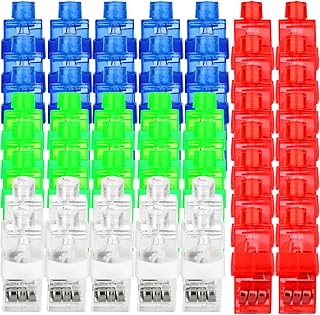 60Pcs LED Finger Lights Flashlights for Kids Glow Party Favors Birthday Christmas Halloween Supplies
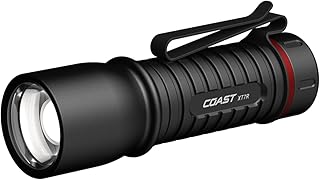 XT7R 1500 Lumen Rechargeable LED Flashlight with Magnetic Mount, Slide Focus, and Pocket Clip, Black
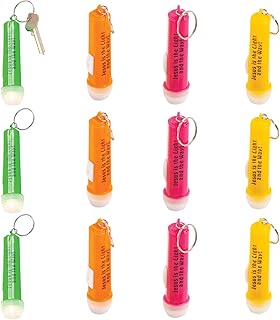 Express Jesus is The Light Flashlight Key Chains (Set of 12) Religious Party Supplies - VBS 2026 Vacation Bible School Supplies/Decor
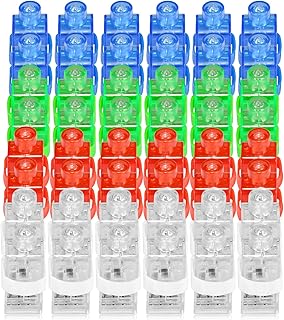 CADE ELECTRONIC Finger Lights- 50Pcs Finger Flashlights for Kids-Bachelorette Party Favors - Party Supplies for Parties Cheering Novelty Toys for Kids, Adult