Introduction: Why a Buyer-Focused Flashlight Guide Matters
Flashlights remain a core product category for lighting importers, wholesalers, distributors and contractors. Demand covers consumer, industrial, emergency response and project-specific applications. For B2B buyers the purchase decision goes beyond brightness — it must balance performance, durability, compliance, cost, supply reliability and after-sales support. This guide explains key technical metrics, procurement considerations and practical checklists to help you specify, evaluate and source flashlights at scale.
Types of Flashlights and Typical B2B Applications
Choosing the right flashlight type depends on the end-use. Below are common categories and typical buyers:
- Handheld EDC (everyday carry): compact, pocketable lights for retail distribution and promotional programs.
- Tactical flashlights: high-output units with strobe modes used by security, law enforcement and military channels.
- Worksite/utility lights: rugged, impact-resistant lights for construction, maintenance and industrial contractors.
- Headlamps and hands-free lights: used in mining, utilities, outdoor contractors and rescue operations.
- Searchlights and long-range beams: for maritime, search & rescue, and perimeter security projects.
- Emergency/red alert lights: integrated into safety kits for municipalities, fleets and facilities management.
Key Technical Specifications to Evaluate
When comparing models, request and verify standardized metrics rather than marketing claims. Important specs include:
- Lumen output: overall light output measurable in lumens. Compare across modes (high, medium, low).
- Beam distance: usually reported as meters; indicates practical reach of the central hotspot.
- Runtime: how long the light runs at a given mode before reaching a defined cutoff.
- Intensity (candela): useful for comparing beam focus independent of lumens.
- Power source and battery chemistry: rechargeable (Li-ion) vs disposable (alkaline, CR123A) matters for lifecycle costs.
- Charge time and interface: USB-C, micro-USB, proprietary charging docks — impacts user convenience.
- Durability: impact resistance (drop meters), material (aluminum alloy, polymer) and surface finish.
- Ingress protection (IP) rating: IPX4, IPX7, IP68 indicate different water and dust resistance levels.
- Weight and dimensions: key for packaging, shipping and end-user acceptance.
Standards and Certifications Buyers Must Verify
Regulatory and performance standards reduce risk and simplify market entry. Ask suppliers for documented test reports.
- ANSI/NEMA FL1: standardized flashlight tests for lumens, beam distance, runtime, impact, water resistance and peak beam intensity.
- CE marking: required for European Economic Area (safety and EMC).
- RoHS and REACH: ensure hazardous substances compliance for electronics and materials.
- UN 38.3: mandatory for shipping lithium batteries by air; battery cells and packs must pass this testing.
- ATEX/IECEx: for intrinsically safe flashlights used in explosive atmospheres (mining, oil & gas).
- IP ratings: confirm test reports for claimed ingress protection.
LEDs, Optics and Light Quality
Modern flashlights use high-power LEDs. Consider:
- LED manufacturers and binning: reputable LED chips (Cree, Nichia, OSRAM, Lumileds) deliver predictable performance and color rendering.
- Color temperature and CRI: neutral whites (4000–5000K) are common; higher CRI improves color recognition in work settings.
- Optics: smooth reflectors produce a focused throw; TIR or diffused optics yield broader flood beams. For mixed use choose models with adjustable focus or multiple LEDs.
Power Systems and Battery Considerations
Battery choice influences runtime, replenishment logistics and total cost of ownership.
- Rechargeable lithium-ion (18650, 21700, integrated packs): long runtime, rechargeability reduces long-term cost, but requires safe transport and UN 38.3 compliance.
- Primary batteries (AA, CR123A): simple supply chain, lower upfront cost, good for emergency kits and retail packs.
- Smart battery management: protections against overcharge, overdischarge and short circuits are critical for safety in rechargeable units.
- Hot-swap capability and external charging docks: useful for fleet or industrial deployments where continuous operation is needed.
Durability, Materials and Ergonomics
Project buyers must match the build to operating environments.
- Materials: anodized aluminum alloys are common for tactical and industrial lights; high-impact polymers offer lighter weight and chemical resistance.
- Surface finishes: Type III hard-anodized coatings resist abrasion; anti-slip knurling improves grip in oily environments.
- Impact resistance: typical ratings list drop heights (e.g., 1–2 meters); choose higher values for construction and industrial use.
- Controls and UI: single-button multi-mode vs mode memory; tactical buyers may require momentary-on and strobe functions.
Environmental and Hazardous-Location Products
For mining, oil & gas and certain industrial sites, specialized certification is required:
- Intrinsically safe (IS) designs limit energy in circuits; request ATEX/IECEx documentation.
- High-temperature operation: confirm rated operating temperature range for extreme climates.
- Corrosion resistance: select stainless steel parts or chemical-resistant polymers for marine or chemical plants.
Accessories, Mounting and Integration
Consider accessories that expand market appeal and utility:
- Holsters, clips and belt mounts for retail or tactical bundles.
- Helmet and hardhat mounts for mining or maintenance applications.
- Magnetic bases, tripod mounts and vehicle mounts for inspection and automotive fleets.
- Integratable control interfaces: remote switches, timers and external battery packs for specialty projects.
Quality Control, Testing and Sample Evaluation
Before committing to volume orders, validate supplier claims with documented testing and sample evaluation.
- Request factory test reports and third-party lab certificates for ANSI FL1 metrics and IP testing.
- Order engineering samples and run in-field trials under representative conditions.
- Inspect battery cells and charging systems for safety features and thermal behavior.
- Conduct lifecycle testing (on/off cycles, drop tests, salt spray if required) and random sampling on initial production runs.
Procurement & Commercial Considerations
Practical buying topics affect cost and supply reliability:
- Minimum order quantity (MOQ): negotiate MOQs that match your sales channels; many manufacturers can tier MOQ by SKU or colorway.
- Lead times: confirm production lead times, peak-season variations and component supply risks (batteries, chips).
- Packing and labeling: specify retail-ready packaging, barcodes and multilingual manuals if needed for target markets.
- Pricing factors: tooling, PCB complexity, battery type and certification costs. Bulk pricing reduces per-unit cost but affects inventory risk.
- Logistics and shipping: lithium batteries introduce special handling and documentation for air freight. Consider sea freight for bulk shipments.
Customization, Private Label and Co-Branding
Most B2B buyers require some level of customization. Typical options include:
- Custom color, anodize or printing for private label products.
- OEM firmware tuning: brightness profiles, mode sequences and memory features.
- Accessory bundles and SKU consolidation for multi-channel sales.
- Co-engineering for project-specific requirements (e.g., higher IP rating, battery life modifications).
Warranty, Spare Parts and After-Sales Support
Define after-sales expectations explicitly in contracts:
- Warranty period and coverage terms (electronics, LEDs, batteries differ).
- Availability of spare parts (O-rings, switches, chargers) and lead times for replacements.
- Repair vs replace policies and costs for RMA handling.
- Technical training and troubleshooting guides for distributors and contractors handling warranties.
Sample Specification Template for Initial RFQ
Use a concise spec template when requesting quotes to reduce ambiguity:
- Model type: tactical/EDC/worklight/headlamp/searchlight.
- Primary LED output (lumens), target beam distance (meters), and runtime at high/medium/low modes.
- Battery type and configuration; charging method and charge time.
- Required certifications (ANSI FL1, CE, RoHS, UN 38.3, ATEX if applicable).
- Ingress protection (IP) rating, impact drop rating, operating temperature range.
- MOQ, target FOB price, packaging format, and expected lead time.
Checklist for Final Acceptance Testing (Before Large Production Runs)
Before mass-production approval, require a pre-production sample (PPS) run for acceptance testing:
- Verify lumens and beam distance using an integrating sphere or third-party lab report.
- Confirm runtime under standardized load until cutoff and battery discharge characteristics.
- Perform drop tests and water ingress testing to confirm claimed IP and impact resistance.
- Inspect assembly quality, engraving/printing, packaging and documentation for market compliance.
Why Partner with JECTE for Flashlight Sourcing
JECTE combines manufacturing capability and industrial supply experience to serve global buyers. We provide configurable flashlight platforms, support for certification testing, private-label production, and supply-chain management to protect against component shortages. For project contractors and distributors we offer sampling, engineering support and after-sales logistics to simplify large-scale procurement.
Final Recommendations
In B2B flashlight procurement, prioritize standardized test data, safety certifications and supply reliability over headline lumen numbers. Require pre-production samples, define clear warranty and spare-part commitments, and plan for battery logistics in your shipping strategy. By using specification templates and acceptance testing, you reduce risk and ensure the purchased flashlight matches application needs and regulatory requirements.
Quick Buying Checklist
- Request ANSI FL1 and IP test reports.
- Verify UN 38.3 for rechargeable battery shipments.
- Order engineering samples and conduct field trials.
- Confirm MOQ, lead time and packaging requirements.
- Define warranty and spare-part availability in the contract.
For tailored product recommendations, private-label options or project pricing, contact JECTE’s procurement team to discuss specifications, certifications and minimum order scenarios. A disciplined specification and testing approach will ensure the flashlights you source meet performance, safety and commercial targets for your markets.
Related Products
Explore related products from JECTE for your next sourcing project.
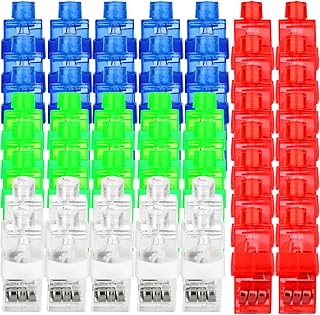 60Pcs LED Finger Lights Flashlights for Kids Glow Party Favors Birthday Christmas Halloween Supplies
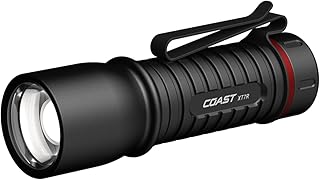 XT7R 1500 Lumen Rechargeable LED Flashlight with Magnetic Mount, Slide Focus, and Pocket Clip, Black
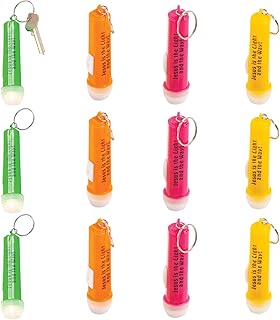 Express Jesus is The Light Flashlight Key Chains (Set of 12) Religious Party Supplies - VBS 2026 Vacation Bible School Supplies/Decor
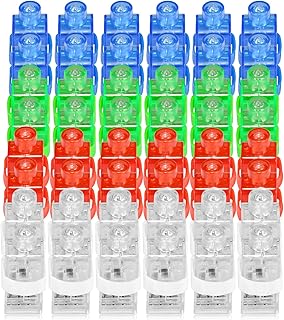 CADE ELECTRONIC Finger Lights- 50Pcs Finger Flashlights for Kids-Bachelorette Party Favors - Party Supplies for Parties Cheering Novelty Toys for Kids, Adult