Introduction: Why flashlight selection matters for buyers
As a global purchaser—importer, wholesaler, distributor or project contractor—you need flashlights that meet performance, compliance and commercial requirements across markets. Choosing the right flashlight affects safety, warranty claims, returns, logistics and long-term margin. This guide from JECTE, a lighting manufacturer and industrial supply partner, explains the technical specifications, regulatory requirements, production options and procurement best practices to help you buy smart.
Key flashlight categories and target applications
Define the product mix first. Different end uses require different feature sets:
- Tactical/EDC (Everyday Carry): Compact, high-output, single-hand operation for security, law enforcement and consumer EDC markets.
- Industrial/Utility: Rugged, long runtime, multiple beam modes for maintenance, electrical work and field service.
- Professional Search & Rescue / Fire & Rescue: Extremely high output, wide flood and focused beams, often with strobes and signaling colors.
- Mining & Hazardous Areas: Intrinsically safe, ATEX/IECEx certified for explosive atmospheres.
- Marine & Outdoor: Corrosion-resistant, waterproof IPX7/IPX8 or IP68, buoyant or float attachments.
- Task & Inspection Lights: Low glare, high CRI for close work and color accuracy.
Essential technical specifications to evaluate
Request standardized data sheets and test reports for every model you consider. Key technical specs include:
- Lumen output: Peak light output measured in lumens. Understand advertised vs. sustained lumen output after thermal regulation.
- Beam distance: Measured in meters (ANSI/FL1 standard), indicates usable throw; important for search and tactical markets.
- Runtime: Time to reach specified cutoff lumen level (e.g., 10% of initial output) under ANSI/FL1 testing.
- CCT & CRI: Correlated color temperature and color rendering index—CRI >80 recommended for inspection and color-critical tasks.
- Battery & charging: Power source (alkaline, NiMH, Li-ion), cell type (18650, 21700), onboard charging (USB-C), and battery transport/testing compliance (UN 38.3 for Li-ion).
- Durability: Impact rating (drop height), IK rating if available, and materials (aircraft-grade aluminum vs. polymer).
- Ingress protection: IPX ratings—IPX7 (1 m/30 min) for water resistance, IPX8/IP68 for immersion. Consider salt-spray testing for marine use.
- Hazardous area certification: ATEX, IECEx or UL for intrinsically safe models in mining and petrochemical environments.
- Thermal management & driver quality: Efficient drivers and heat sinking reduce lumen drop and increase lifespan.
Certifications and compliance by market
Regulatory compliance reduces risk and speeds customs clearance. Typical certifications to request:
- CE / UKCA: Required for EU/UK markets; includes EMC and Low Voltage compliance where applicable.
- RoHS & REACH: Material compliance for restricted substances and chemical registration rules.
- UL / ETL / CSA: North American safety listings, especially for charging equipment and mains-connected accessories.
- IP / IK: Ingress protection and impact resistance standards.
- ATEX & IECEx: For intrinsically safe products used in explosive atmospheres.
- UN 38.3: Mandatory testing for shipping lithium batteries by air.
Ask suppliers for copies of certificates, test reports (LM-79/LM-80 for LEDs if relevant), and third-party lab documentation.
Battery choices and logistics implications
Battery selection strongly impacts product performance and shipping complexity.
- Primary batteries (alkaline): Cheap, widely available, simple shipping, but lower performance and environmental concerns.
- Rechargeable NiMH: Safe to ship, moderate performance, good for mid-range products.
- Li-ion (protected 18650/21700): Higher capacity and runtime; essential for high-performance tactical and professional lights. Requires UN 38.3 certification and specific packaging/labeling for air transport.
- Built-in batteries & charging ports: Onboard Li-ion with USB-C charging is popular. Confirm ingress protection of charging ports and charging safety ICs.
For distributors, shipping battery-powered flashlights in bulk needs attention to transport rules and costs. Consider sea freight for large volumes of Li-ion products and air for urgent samples (with compliant documentation).
Design, materials and manufacturing quality
Assess manufacturing choices that affect performance and lifecycle cost:
- Housing material: Anodized aluminum for heat dissipation and durability; polycarbonate or reinforced polymers for lightweight or lower-cost models.
- Lenses and optics: TIR lenses for tight, efficient beams; textured reflectors for even floodlight. Optical quality affects beam pattern and perceived brightness.
- Seals and gaskets: Silicone O-rings rated for intended temperature ranges and chemical exposure.
- Driver and PCB design: Low ripple drivers, thermal foldback, and current regulation maintain output and battery life. Ask for BOM details where possible.
- Surface finishes and coatings: Type III hard anodizing increases wear resistance for tactical models.
Testing, quality control and acceptance criteria
Implement a rigorous QC plan to avoid surprises on arrival:
- Request factory test reports: photometric (ANSI/FL1), runtime, drop/impact, IP immersion and vibration tests.
- Set AQL levels for incoming inspection and sample sizes for pre-shipment checks.
- Consider third-party inspections or lab testing for high-risk models or major orders.
- Specify acceptance criteria for visible defects, functional failures, and performance deviations (lumens, beam distance, runtime).
- Negotiate a failure rate threshold and remedies (rework, replacement, credit).
Customization, OEM and private label options
Many buyers require private label or OEM variations. Typical customization options:
- Branding: Logos on body and packaging, custom hang tags and user manuals in multiple languages.
- Color and finish options, knurling and grip patterns for ergonomics.
- Battery configuration and charging method changes—custom battery packs or specific cells.
- Optical tuning: beam profile, diffuser or colored filters.
- Accessory packages: holsters, lanyards, mounts, spare o-rings, and spare batteries.
Discuss MOQ, tooling or molding costs, and lead times for custom variants. JECTE supports OEM/ODM programs and can advise on cost-effective changes for target markets.
Packaging, labeling and aftersales
Packaging affects retail acceptance, shipping efficiency and compliance:
- Retail-ready vs. bulk carton configurations—choose based on sales channel.
- Compliant labeling: CE/UKCA marks, battery transport labels, country of origin, safety warnings and multilingual manuals.
- Eco-options: recyclable materials and minimal packaging to meet retailer or region sustainability requirements.
- Spare parts and repairability: supply of spare O-rings, switches and driver replacements reduces returns and extends product life.
- Warranty terms and service logistics: define warranty length, on-site vs. depot repair, and RMA processes.
Price drivers and total cost of ownership
Understand what drives cost so you can price competitively while protecting margin:
- Components: LED brand (Cree, Nichia, Osram), battery chemistry, and driver complexity.
- Materials and finishes: aircraft-grade aluminum and hard anodizing add cost.
- Certifications and testing: third-party safety and hazardous-area certifications increase unit cost.
- Customization: tooling, small run MOQs and bespoke packaging add to per-unit price.
- Logistics and duties: freight method, battery transport constraints, and import tariffs vary by destination.
Total cost of ownership includes warranty servicing, expected returns, and aftermarket parts availability. Factor these into your landed cost model.
Procurement checklist for flashlight buyers
Use this checklist when evaluating suppliers and models:
- Define target application and performance targets (lumens, runtime, beam distance).
- Request datasheets, ANSI/FL1 test reports and photometric files.
- Verify appropriate safety and market certifications for each destination.
- Confirm battery type and UN 38.3 documentation if Li-ion cells are used.
- Agree on MOQ, lead times, sample policy and price breaks.
- Set QC criteria, AQL levels and pre-shipment inspection plans.
- Clarify warranty, aftersales support and spare parts availability.
- Review packaging, labeling and retail-ready artwork requirements.
- Evaluate logistics: preferred Incoterms, consolidated vs. direct shipping, and customs harmonized codes (HS codes).
Working with manufacturers: what to ask JECTE
As a lighting manufacturer and industrial supply partner, JECTE can support customized flashlight programs. Key questions to ask prospective manufacturers like JECTE:
- Can you provide sample units and full photometric reports (ANSI/FL1)?
- What are typical MOQs for standard vs. custom models and lead times for production runs?
- Which certifications do you hold and can you assist with local approvals?
- Do you control battery sourcing and can you provide UN 38.3 documentation and safe transport options?
- What QC protocols do you use and can you accept third-party inspections?
- What OEM/ODM branding and packaging services do you offer?
- How do you manage spare parts, repairs and warranty claims?
Final recommendations
Successful flashlight procurement balances technical performance, regulatory compliance and commercial viability. Prioritize models that have documented test data, recognized safety certifications and robust QA processes. For specialized markets — hazardous areas, mining, or professional rescue — insist on third-party certification and field-proven components. Negotiate MOQs, clear QC standards, and detailed contract terms to reduce risk.
If you need a manufacturing partner that understands global compliance, battery logistics and OEM customization, contact JECTE to discuss specifications, sample programs and scalable production options tailored to your markets.
Quick reference: essential documents to request
- Product datasheet and BOM
- ANSI/FL1 photometric reports
- Test reports: IP, impact, drop, thermal, UN 38.3 for batteries
- Third-party certifications: CE/UKCA, UL/ETL, ATEX/IECEx
- Factory inspection report and AQL agreement
- Sample units and MOQ/lead-time confirmation
Use this guide as a practical checklist when sourcing flashlights to ensure you meet customer expectations, regulatory demands and profitability goals. JECTE can partner with you through specification, sampling, certification and volume production to deliver reliable flashlight solutions for your markets.
Related Products
Explore related products from JECTE for your next sourcing project.
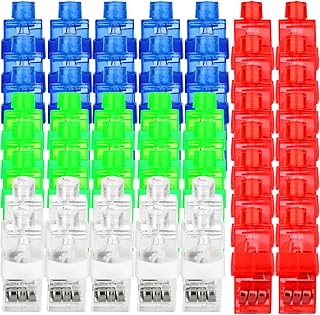 60Pcs LED Finger Lights Flashlights for Kids Glow Party Favors Birthday Christmas Halloween Supplies
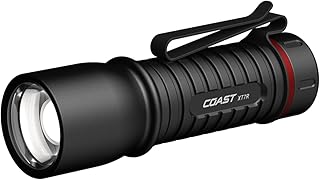 XT7R 1500 Lumen Rechargeable LED Flashlight with Magnetic Mount, Slide Focus, and Pocket Clip, Black
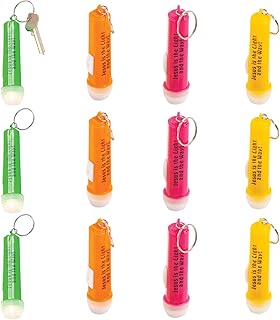 Express Jesus is The Light Flashlight Key Chains (Set of 12) Religious Party Supplies - VBS 2026 Vacation Bible School Supplies/Decor
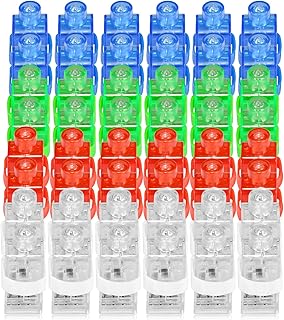 CADE ELECTRONIC Finger Lights- 50Pcs Finger Flashlights for Kids-Bachelorette Party Favors - Party Supplies for Parties Cheering Novelty Toys for Kids, Adult