Why this guide matters for importers, wholesalers and project contractors
Flashlights remain a staple product category across professional, industrial and consumer channels. For buyers handling bulk purchase, distribution or project procurement, choosing the right flashlight lineup is more than picking the brightest model. You must balance performance, compliance, manufacturability, transport rules, branding and after-sales support to protect margin and avoid regulatory or warranty issues.
Flashlight product types and primary use cases
Segment products by form factor and application since each appeals to different sales channels and end users:
- EDC (Everyday Carry): compact, pocketable, often USB-rechargeable—suited for retail, subscription boxes and consumer distributors.
- Tactical: rugged, high-output, with strobe or momentary modes—sold to law enforcement, security and outdoor retailers.
- Industrial/worksite: durable, with long runtime and hands-free options (headlamps, tripod mounts) for contractors and maintenance teams.
- Search & rescue / professional: very high lumen, long throw, multiple recharge options, typically sold to municipal and emergency procurement.
- Specialty (marine, intrinsically safe): corrosion-resistant or certified for hazardous areas—targeted to niche industrial buyers.
Key technical specifications to require from suppliers
Request standardized, testable metrics—not marketing claims. Specify ANSI/NEMA FL1 metrics where applicable.
- Lumens: total light output; ask for measured lumens and the test method (ANSI FL1 preferred).
- Runtime: duration until output drops to a set percentage; supply the runtime curve and conditions (battery type, ambient temperature).
- Peak intensity (candela) and beam distance: essential for search/tactical models; ANSI FL1 beam distance is based on candela.
- Beam pattern: spot, flood, or hybrid; indicate lens type (TIR, smooth reflector) and beam diameter at given distances.
- Color temperature and CRI: CCT (Kelvin) and CRI matter for inspection tasks—specify ranges (e.g., 4000–5000K for neutral white, CRI 70–90).
- Battery type and chemistry: AA/AAA, CR123A, 18650/21700 Li-ion, integrated Li-ion; ask for cell manufacturer and UN38.3 test report for lithium cells.
- Charging method: USB-C PD, USB-A, magnetic dock; include input specs, charging time and battery management protections.
- Ingress protection: IPX ratings (e.g., IPX7, IP68) and full IP (e.g., IP66) if dust protection is required.
- Impact/drop resistance: state a drop height (e.g., 1m, 2m) and test method; consider stainless steel or aluminum housings for high-impact environments.
- Material and finish: aluminum 6061-T6 with Type III hard-anodize is common for durability; list plastics (PC, ABS) for lower-cost models.
- Dimensions and weight: for packaging and shipping cost planning.
Regulatory and safety certifications to verify
Global buyers must confirm that products meet destination-market requirements and international transport rules for batteries.
- Electrical and EMC: CE (Europe) and RED where applicable; for certain markets, UL or ETL may be necessary.
- RoHS and REACH: restrict hazardous substances for EU/UK sales and many retailers.
- Battery transport: UN38.3 certification for lithium cells/packs is mandatory for air transport; know IATA and IMDG dangerous goods rules and packaging/labeling requirements.
- Country-specific approvals: check local requirements for municipal or government tenders—some require domestic certification or listed suppliers.
- Intrinsic safety: for flashlights used in explosive atmospheres, look for ATEX or IECEx certifications.
Durability, thermal management and LED choice
Long-term reliability depends on thermal design and component quality.
- LED emitter quality: choose LEDs from reputable manufacturers and request binning details for color consistency and lumen maintenance.
- Heat sinking: aluminum housings, fins and thermal paths prolong LED life and maintain output under high drive currents.
- Driver electronics: ask for protection features—overheat, over-discharge, reverse polarity and short-circuit protections.
- Seals and coatings: Type III hard-anodize and O-rings for water resistance; corrosion-resistant treatments for marine models.
Battery options, lifecycle and shipping considerations
Batteries are often the single biggest logistic and regulatory headache. Align product choice with your distribution model.
- Disposable cells (alkaline, CR123A): lower regulatory burden for shipping, but higher lifetime cost for end users.
- Removable rechargeable cells (18650, 21700): popular for high-performance models; require UN38.3 certification and extra packaging controls.
- Integrated batteries: convenient for consumers; shipping rules still apply if batteries are installed and rechargeable—confirm documentation and airline restrictions.
- Spare batteries: many carriers treat spare lithium batteries as dangerous goods; plan for sea freight or provide compliant shipping channels.
- End-of-life: consider battery recycling programs and WEEE/battery take-back obligations in key markets.
Sourcing, customization and private-labeling
Different customers need different levels of customization. Clarify requirements early to avoid delays and extra costs.
- Branding: laser engraving, pad printing, color anodizing; minimum order quantities (MOQs) increase with customization.
- Packaging: retail-ready blister/box options, multilingual manuals, barcodes (EAN/UPC) and bulk master cartons—specify pack counts.
- Firmware/UI options: programmable mode sequences, lockouts and firmware that can be tailored for tactical or consumer markets.
- Accessories: holsters, diffusers, tripods, vehicle chargers and spare O-rings; bundling improves margin and shelf appeal.
- Tooling and molds: custom housings require tooling investment and longer lead times; negotiate amortization into price or minimums.
Quality control, testing and sample process
Insist on documented testing and independent verification where possible.
- Pre-production samples: validate fit, finish, performance and CCT before committing to a production run.
- Production testing: request 100% functional testing for electronics and lighting output, plus AQL inspection for cosmetic defects.
- Independent labs: for formal claims (ANSI FL1, UN38.3, IP/IK), use third-party labs and obtain test reports you can share with customers.
- Factory audits: consider periodic audits (social compliance, ISO 9001) and production monitoring to reduce defect rates.
Packaging, labeling and retail requirements
Good packaging reduces returns and improves on-shelf conversion.
- Retail packaging should include multilingual instructions, safety warnings and battery information.
- Barcode and SKU management: provide EAN/UPC and inner/outer carton labeling to integrate with distributor inventory systems.
- Bulk logistics: specify master carton dimensions, weight, and palletization details to estimate freight costs and warehousing footprint.
Commercial terms, MOQ and lead times
Negotiate terms that protect cash flow while enabling scale.
- MOQ: can vary widely—expect lower MOQs for standard SKUs and higher for customized units; discuss sample pricing separately.
- Pricing structure: tiered pricing for volume bands, and separate pricing for accessories and replacement batteries.
- Payment terms: common options include T/T deposits and balance before shipment, L/C for larger projects, or negotiated net terms with established partners.
- Lead times: standard production runs often require 30–60 days after samples are approved; custom tooling adds 2–6 weeks or more.
- Incoterms: clarify FOB, EXW, DAP responsibilities and cost implications for transport and customs clearance.
After-sales support, warranty and spare parts
After-sales commitments influence buyer confidence and reduce lifecycle costs.
- Warranty: typical warranties range from 1–5 years depending on model class; define what is covered and the RMA process.
- Spare parts: availability of O-rings, switches, bezels, and replacement batteries improves product longevity.
- Technical support: provide repair guides, firmware updates and testing documentation for distributors and service partners.
Buyer checklist — what to request from suppliers
- Detailed spec sheet with ANSI/NEMA FL1 metrics and test methods.
- UN38.3 test report for lithium batteries and MSDS for chemical safety.
- RoHS/REACH declarations and CE/EMC test reports if selling in Europe.
- Pre-production sample and final sample approval process description.
- Manufacturing lead times, MOQ, pricing tiers and Incoterms.
- Warranty terms, RMA procedures and spare parts availability.
- Photos, dielines for packaging, barcode assignments and palletization data.
- Quality control plan: AQL level, functional test coverage and production testing specifics.
Example product specification fields to include in an RFQ
- Model name/number, intended application, target retail price or distributor margin goals.
- LED type, nominal lumen output, CCT and CRI.
- Battery type, nominal voltage, capacity, and UN38.3 compliance.
- Charging interface and time to full charge.
- IP and impact ratings, housing material and surface finish.
- Operating temperature range and storage recommendations.
- Warranty period, packaging options and labeling requirements.
Working with JECTE as your manufacturing partner
As an experienced lighting manufacturer and industrial supply partner, JECTE supports global buyers with product development, compliance testing coordination, private-label options and logistics planning. Whether you need rugged industrial headlamps for a municipal project or an EDC lineup for retail distribution, JECTE can provide sample-driven development, production QA and documentation tailored to your destination markets.
Final recommendations
For a low-risk, profitable flashlight program: specify measurable test criteria up front, require UN38.3 and CE/RoHS documentation where needed, and agree on a clear sample approval and QC plan. Factor battery shipping costs and regulations into landed cost, and secure spare parts and a realistic warranty policy. These steps reduce returns, speed time-to-market and protect margins across global channels.
Next steps
Prepare your RFQ using the checklist above, prioritize the product types and markets you want to target, and request sample builds with full test reports. Contact JECTE to discuss MOQ, customization and compliance support to accelerate sourcing and ensure on-time delivery for your distribution or project needs.
Related Products
Explore related products from JECTE for your next sourcing project.
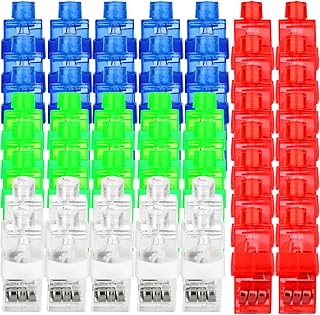 60Pcs LED Finger Lights Flashlights for Kids Glow Party Favors Birthday Christmas Halloween Supplies
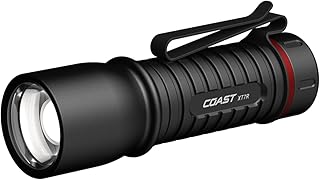 XT7R 1500 Lumen Rechargeable LED Flashlight with Magnetic Mount, Slide Focus, and Pocket Clip, Black
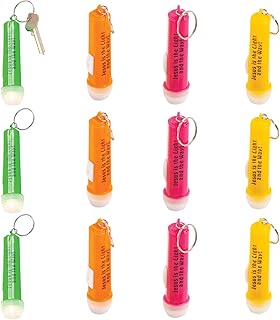 Express Jesus is The Light Flashlight Key Chains (Set of 12) Religious Party Supplies - VBS 2026 Vacation Bible School Supplies/Decor
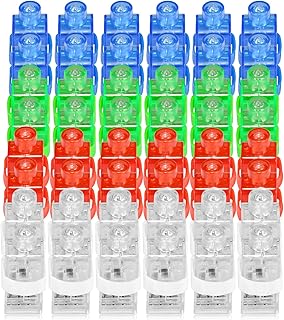 CADE ELECTRONIC Finger Lights- 50Pcs Finger Flashlights for Kids-Bachelorette Party Favors - Party Supplies for Parties Cheering Novelty Toys for Kids, Adult