Why this guide matters for buyers of flashlights
Flashlight procurement for B2B channels requires more than picking a lumen number. Importers, wholesalers, distributors, and project contractors need reliable information on performance standards, certifications, battery safety, supply-chain logistics, quality control, and aftermarket support. This guide helps you translate technical options into purchasing decisions that reduce risk, control cost, and speed time-to-market. JECTE, a lighting manufacturer and industrial supply partner, uses these buyer-focused criteria when developing and qualifying flashlight programs for global clients.
Key flashlight performance parameters explained
Understand these core specs to compare models objectively and write clear RFPs.
Lumen output
Lumens measure total visible light emitted. For buyers, compare both the maximum lumen rating and the claimed runtime at different modes (high/medium/low). Beware of unstandardized claims—ask for ANSI/NEMA FL1 testing results where available.
Beam distance and intensity
Beam distance (meters) and peak beam intensity (candela) determine how usable the flashlight is for search, inspection, or EDC tasks. A compact EDC flashlight can have high lumens but short throw; a searchlight will prioritize candela and throw.
Runtime and battery type
Runtime depends on battery chemistry and driver efficiency. Common cells: disposable alkaline (AA/AAA), lithium primary (CR123A), and rechargeable lithium-ion (18650, 21700). Consider rechargeability, available charging infrastructure (USB-C, dedicated chargers), cycle life, and spare-cell supply chains.
Thermal management and driver technology
High-output LEDs produce heat. Look for proper heat sinks, aluminum housings, and over-temperature regulation in the LED driver. Drivers should provide stable current (constant-current or well-controlled PWM) to avoid flicker and performance drop-off.
Beam pattern: reflector vs. TIR optics
Reflectors typically produce a focused spot for long throw; TIR (total internal reflection) optics give smoother beams and better flood. Combination designs offer both. Match beam pattern to your use case.
Durability: materials, impact & ingress protection
Common housings are anodized aluminum (6061-T6) for strength and heat dissipation, or polycarbonate for lower cost and corrosion resistance. Check IP ratings (IPX7, IP68) for water resistance, and IK or drop-test claims for impact resistance.
Standards and certifications buyers should request
Certifications reduce regulatory risk and validate manufacturer claims. Ask suppliers for documented evidence.
- ANSI/NEMA FL1: standardized flashlight performance metrics (lumens, beam distance, runtime, water resistance, impact).
- IEC 62133 and UN38.3: battery safety and transport tests for lithium cells and battery packs.
- CE and RoHS: required in the EU for electrical safety and hazardous substances compliance.
- FCC: relevant if the flashlight integrates radio, Bluetooth, or wireless charging.
- UL/ETL: for chargers and battery packs, especially if selling in North America.
- LM-80 / TM-21 data: useful if you require long-term lumen maintenance data for LED engines.
- EMC/EMI testing: for models with USB charging or electronics.
Product types and common use cases
Select the flashlight type that aligns with your customer segments or project needs.
- EDC (everyday carry): compact, pocketable, rechargeable; popular with retail and professional buyers.
- Tactical: weapon-compatible, strobe modes, high-impact resistance; targeted to security and law enforcement channels.
- Worklight/Mechanics: wide flood beams, magnetic bases, rugged housings; suited for industrial contractors and wholesalers serving trades.
- Searchlights: high-throw beams for maritime, rescue, and outdoor contractors.
- Intrinsic safety / ATEX: for hazardous environments (oil, gas, mining)—requires specialized certification.
Battery choices and charging options
Battery selection affects logistics, safety, and lifetime costs.
Disposable vs rechargeable
Disposable cells (alkaline, lithium primary) are convenient for remote use and simpler logistics, but have higher long-term cost and environmental impact. Rechargeables (protected Li-ion cells) reduce cost per cycle and support higher outputs but require charging infrastructure and compliance with transport rules.
Cell formats and supply considerations
- AA/AAA: easy to source globally; lower energy density.
- CR123A: common in tactical lights; keep contract for supply stability.
- 18650/21700: widely used rechargeable cells; choose reputable cell vendors to ensure cycle life and safety.
Charging ports and smart features
USB-C is becoming standard for convenience and faster charging. Consider built-in battery management: overcharge protection, temperature cut-offs, and charge indicators for customer satisfaction and safety compliance.
Sourcing considerations: MOQ, lead times, and pricing
Balance unit price against inventory risk and launch timing.
- MOQ: Manufacturers often have different MOQs for standard models, OEM-branded runs, and fully customized designs. Stocked models may be available in low MOQ; custom tooling or color/label changes increase MOQ and lead time.
- Lead times: Off-the-shelf models can ship in 2–6 weeks; new ODM/OEM tooling and battery qualification can take 8–16 weeks or longer. Plan for testing, certification, and transport.
- Pricing: Request tiered pricing (e.g., 500/2,000/10,000 units) and include options for packaging, labeling, and spare parts to calculate landed cost accurately.
Quality assurance and pre-shipment testing
Define QA checkpoints to avoid surprises on arrival.
Incoming inspection (IQC)
- Component verification: LED bin codes, driver boards, batteries, switches, and lenses.
- Material & finish checks: housing alloy, anodizing thickness, print quality.
Functional testing
- Runtime and lumen verification against declared modes.
- Thermal run test and over-temperature cut-off verification.
- Drop and impact tests from specified heights; seal tests for water resistance (IPX/IP68).
- Battery charge/discharge cycling to verify capacity and protection.
Third-party lab testing
Insist on independent verification for safety-critical or high-volume programs. Third-party labs can issue FL1 reports, UL/ETL listings for chargers, IEC 62133 and UN38.3 battery certification, and EMC reports.
Packaging, labeling and aftermarket support
Retail and project buyers have different expectations. Plan packaging and documentation accordingly.
- Retail packaging: display-ready boxes, multilingual inserts, UPC/EAN barcodes, and warranty cards.
- Project/contractor packaging: bulk cartons, SKU labels, pick-and-pack assistance, and project-specific documentation.
- Labeling and manuals: include safety warnings, charging instructions, and local language requirements per market.
- After-sales support: spare parts, repairable designs, battery replacement policies, and warranty service terms reduce downstream costs and returns.
Logistics, customs and transport of battery-powered flashlights
Batteries change shipping rules. Discuss packaging and documentation with your supplier early.
- Transport docs: lithium batteries often require UN38.3 test reports and appropriate markings for air, sea, and road transport.
- Customs classification: confirm HS codes and import duties for your target markets before finalizing landed costs.
- Insurance: insure high-value shipments and consider Incoterms that match your risk tolerance (FOB, CIF, DDP options).
How to run a supplier evaluation and RFP for flashlights
Use a consistent RFP template to compare offers from multiple manufacturers.
- Product specification: required lumen, beam type, runtime, size, weight, IP/IK rating, battery format, charging method, and expected warranty.
- Certifications requested: ANSI/NEMA FL1, IEC 62133, UN38.3, CE, RoHS, UL where applicable.
- Sample request: prototype or pre-production samples, with full testing reports (FL1, battery tests, EMC if needed).
- MOQ and lead times: include separate pricing for sample, pilot, and tiered-volume orders.
- Packaging and labeling: retail-ready or bulk packaging specs, logos, and barcode requirements.
- After-sales and warranty policy: spare parts availability, return-to-vendor terms, and repair support.
- Quality & inspection: pre-shipment inspection (PSI) terms, acceptable quality levels (AQL), and third-party inspection preferences.
Sample evaluation checklist
When you receive samples, apply this practical checklist to validate supplier claims.
- Visual inspection: build quality, assembly gaps, surface finish, and markings.
- Functional tests: mode switching, strobe and SOS operation if claimed, and switch feel/usability.
- Performance tests: measure lumen output, beam pattern, runtime at each mode, and beam distance with consistent methodology.
- Thermal & durability tests: continuous run on high mode to verify heat management and no thermal shutdown below spec.
- Battery and charging: verify charge time, battery protection operation, and cycle test sample if feasible.
- Water and impact: bench IP tests and drop tests consistent with your AQL.
Common buyer pitfalls and how to avoid them
- Relying only on lumen claims: always ask for standardized FL1 or lab test reports.
- Ignoring battery origin: cheap cells cause returns and safety risks—specify reputable cell vendors or request cell traceability.
- Underestimating certification time: testing and certification add weeks to lead times—factor them into project timelines.
- Skipping pre-shipment inspection: saves cost upfront but increases risk of large volume defects on arrival.
Working with JECTE as your flashlight manufacturing partner
JECTE partners with global buyers on product selection, customization, testing, and logistics for flashlight programs. Our approach is to align technical specs, compliance, and supply-chain capabilities with your channel requirements—whether you need retail-ready EDCs, rugged worklights for contractors, or project-specific lighting for industrial applications.
Key capabilities to discuss with a manufacturer:
- OEM/ODM development: enclosure tooling, PCB programming, and firmware customization.
- Testing support: in-house pre-testing and coordination with independent labs for FL1, battery, and EMC reports.
- Supply-chain transparency: cell sourcing, traceability, and contingency planning for critical components.
- Packaging and logistics: retail packaging design, bulk packaging optimization, and export documentation support.
- After-sales: spare parts, warranty administration, and repair/refurbishment options.
Next steps: an action plan for buyers
Follow these steps to move from evaluation to order with confidence.
- Create a detailed RFP with the items in this guide and distribute to 3–5 qualified suppliers.
- Request and independently test samples against your checklist.
- Negotiate MOQ, tiered pricing, lead times, and quality terms (AQL, PSI).
- Confirm certification timelines and include compliance milestones in contracts.
- Plan logistics and insurance, and verify battery transport documentation in advance.
Conclusion
Buying flashlights at scale requires balancing technical performance, safety certification, supply-chain reliability, and after-sales support. Use standardized metrics (ANSI/NEMA FL1), insist on battery safety documentation (IEC 62133, UN38.3), and perform rigorous sample testing before committing to large production runs. Partnering with a manufacturer that provides development, testing, and logistics support—such as JECTE—can streamline procurement and reduce commercial risk. Use the checklists and RFP elements in this guide to evaluate suppliers and secure a successful flashlight program for your market.
Related Products
Explore related products from JECTE for your next sourcing project.
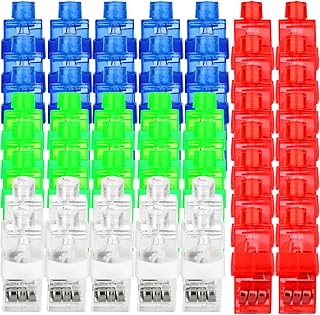 60Pcs LED Finger Lights Flashlights for Kids Glow Party Favors Birthday Christmas Halloween Supplies
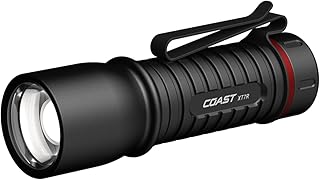 XT7R 1500 Lumen Rechargeable LED Flashlight with Magnetic Mount, Slide Focus, and Pocket Clip, Black
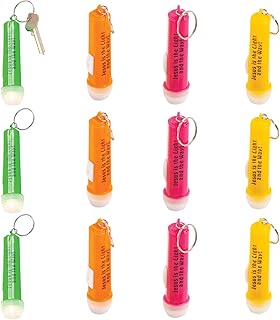 Express Jesus is The Light Flashlight Key Chains (Set of 12) Religious Party Supplies - VBS 2026 Vacation Bible School Supplies/Decor
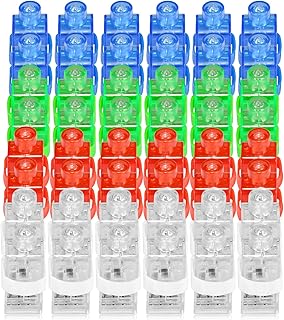 CADE ELECTRONIC Finger Lights- 50Pcs Finger Flashlights for Kids-Bachelorette Party Favors - Party Supplies for Parties Cheering Novelty Toys for Kids, Adult