Introduction
This flashlight buying guide is written for lighting importers, wholesalers, distributors and project contractors who need to evaluate, source, and specify reliable flashlights for commercial and industrial markets. It explains the key technical specifications, regulatory and logistics issues, testing and sample-evaluation steps, and procurement best practices. JECTE manufactures and supplies industrial lighting and can support custom requirements, compliance testing and global logistics for buyers.
Market segments and common applications
Understanding the target market and application is the first step in selecting the right flashlight product families. Typical segments include:
- Maintenance & Industrial: rugged handheld lights for mechanics, plant maintenance, and service technicians.
- Tactical & Law Enforcement: high-throw, high-output models with strobe and tactical switch options.
- Inspection & Utilities: compact, adjustable-beam models with neutral white light and inspection-friendly CRI.
- Construction & Site: heavy-duty, impact-resistant flashlights and area lights for job sites.
- Retail & Consumer Gift: entry-level, cost-sensitive models for mass distribution.
- Outdoor & Recreation: waterproof, lightweight options for camping, search and rescue and emergency kits.
- OEM/Custom: branded or specification-driven lights for corporate, government or project procurement.
Key technical specifications to evaluate
When comparing flashlights, focus on measurable performance metrics and compliance standards rather than marketing claims. Use standardized test results wherever possible.
Lumen output and beam characteristics
- Lumens measure total light output. Typical ranges: inspection/headlamp 100–1,500 lm; tactical 500–3,000+ lm; area lights 2,000+ lm.
- Beam pattern: spot (long throw), flood (wide coverage), or adjustable (zoom/tilt). Specify beam distance and spill profile based on use case.
- ANSI/NEMA FL1 provides standardized metrics for lumen output and beam distance. Ask suppliers for FL1 reports or comparable data.
Runtime, battery type and energy density
- Runtime is commonly measured in hours to a target lumen level or until output drops to 10% of initial. Verify runtime on the primary (highest) and lower modes.
- Battery options: disposable alkaline/CR123A, NiMH rechargeable, and lithium-ion (18650, 21700, built-in cells). Li-ion offers highest energy density but requires proper certification for shipping.
- For rechargeable models, request battery capacity in mAh and a specification of nominal voltage to calculate watt-hours (Wh) for transport compliance. Wh = V x Ah.
Charging methods and convenience
- Common charging: external removable-cell chargers, built-in USB-A or USB-C charging, magnetic chargers, and docking stations.
- USB-C PD charging offers faster charging and future-proofing. Confirm charge time and charge-cycle life (typical Li-ion: 300–500 cycles before capacity degrades significantly).
- Consider inclusion of charge level indicators, overcharge protection and thermal management in the charging system.
Durability, materials and impact resistance
- Housing materials: anodized aluminum (good strength, heat dissipation), stainless steel bezels (tactical), and engineering plastics (cost-effective, lightweight).
- Impact resistance is usually expressed as drop rating in meters (e.g., 1 m, 2 m). Test to expected field conditions; tactical and construction lights often require 1.5–2 m or higher ratings.
- Surface finish and knurling affect grip; consider glove use and ergonomics for job-site applications.
Ingress protection and environmental sealing
- IP ratings (IEC 60529) are critical. IPX4 protects against splashing; IPX7 allows temporary immersion to 1 m; IP68 covers continuous immersion under specified pressure/depth.
- Dust protection levels (first digit) are equally important for construction and heavy industrial use.
- Corrosion-resistant coatings and sealed switches prolong service life in marine or chemical environments.
Thermal management and lumen maintenance
- High-output LEDs generate heat. Good thermal design preserves LEDs and battery life—look for aluminum heat sinks and thermal paths.
- Lumen maintenance metrics (e.g., L70 at a given operating hour) are useful for long-term reliability assessments.
Controls, user interface and modes
- Mode selection: single-button with mode memory, multiple buttons for tactical use, or rotary switches for industrial worklights.
- Modes: high/medium/low, strobe, SOS. For professional markets, avoid complex user interfaces that impede rapid operation.
- Lock-out features prevent accidental activation during transport or storage.
Color temperature and CRI
- Color temperature affects perception: 2700–3500K is warm, 4000K neutral, 5000–6500K cool. For inspection and technical tasks, 4000K–5000K often provides natural color rendering.
- CRI (Color Rendering Index) matters for inspection, electrical and medical applications. CRI 80+ is preferred for most technical uses.
Safety and regulatory compliance
- Certifications: CE (EU), RoHS (hazardous substances), FCC (EMC for electronics in the US), and regional approvals where required.
- Lithium battery transport certifications: IEC 62133 for cell safety, UN38.3 for air transport testing, and IATA DGR rules for shipping by air.
- Request Declaration of Conformity and test reports for each batch when possible.
Procurement considerations for importers, wholesalers and distributors
Beyond product specs, procurement professionals must manage lead times, MOQ, pricing structures, and supply risk.
- Minimum Order Quantities (MOQ): Negotiate MOQs based on SKU complexity. Custom-branded lines may require higher MOQs; contract manufacturing and staggered production runs can lower incoming inventory risk.
- Lead times and capacity: Confirm factory capacity and seasonal variations. For complex or battery-integrated models expect longer lead times for components and testing.
- Pricing drivers: LED type, battery chemistry, housing material, IP rating, certification costs and packaging all affect unit price.
- Sample policy: Require performance samples and production-line pre-shipment samples. Verify that samples match mass-produced quality.
- Payment terms and incoterms: Agree on incoterms (EXW, FOB, CIF) and payment milestones aligned to inspection and delivery milestones.
Logistics and regulatory issues for global shipping
- Lithium batteries are regulated hazardous cargo. Determine if batteries will ship contained in equipment, packed with equipment, or separately—each has different documentation and packaging rules under IATA/IMDG.
- Customs HS codes: classify flashlights as lighting or battery-powered devices depending on local tariff codes; tariffs vary by market.
- Shipping modes: sea freight typically handles battery shipments more easily; air freight is faster but more regulated for lithium cells.
- Labeling and user manual languages: ensure compliance with destination market labeling, safety warnings and disposal instructions.
Product evaluation checklist for samples
Before placing a production order, run a structured evaluation that mirrors field conditions.
- Photometric testing: verify lumen output, beam distance, and beam profile using ANSI FL1 or equivalent procedures.
- Runtime and battery cycle testing: measure runtime at rated modes and check battery capacity and cycle life estimates.
- Ingress and soak testing: IP tests for dust/water per declared rating.
- Drop and impact testing: simulate expected handling and job-site conditions.
- Thermal testing: high output runs to confirm heat dissipation and no thermal throttling or component failures.
- EMC testing (if applicable): ensure electronics do not interfere with other devices and meet regional standards.
- Field trials: deploy samples in representative job-site or service scenarios and collect feedback on ergonomics, user interface and perceived performance.
Warranty, after-sales service and supplier selection tips
- Warranty terms: Aim for clearly defined warranty periods and coverage for defects in materials and workmanship. Typical warranties range from 1 to 5 years depending on market segment.
- Spare parts and serviceability: Confirm availability of spare parts (lenses, switches, battery packs) and lead times for repair parts.
- Return Material Authorization (RMA) process: Agree on RMA lead times, responsibilities and cost-sharing for faulty batches.
- Factory audits and references: Review factory quality systems (ISO 9001), audit reports, and customer references—particularly for long-term distribution partners.
- Insurance and product liability: Verify product liability coverage and recall procedures for the supplier.
How JECTE can support buyers
JECTE is positioned to support global buyers with manufacturing capacity, compliance assistance and customization options. JECTE services commonly used by importers and distributors include:
- OEM/ODM design and branding, including private-label packaging and manuals.
- In-house testing support and third-party certification coordination (CE, RoHS, UN38.3, IEC tests).
- Flexible MOQ options and staged production runs for line extensions and seasonal demand.
- Support for hazardous cargo handling documentation and shipping options for lithium-powered products.
- Sample and pre-shipment inspection programs to verify production consistency and FL1 photometric reports.
Final buying checklist
- Define primary application and required performance metrics (lumens, beam type, runtime, IP rating).
- Require ANSI/NEMA FL1 or equivalent photometric data and runtime charts for sample evaluation.
- Confirm battery chemistry and shipping classification; request IEC 62133 and UN38.3 test reports where applicable.
- Inspect sample units for materials, ergonomics and user interface in field trials.
- Negotiate MOQ, lead times, warranty terms and RMA procedures in writing.
- Plan logistics for battery shipments, customs coding and destination labeling requirements.
- Arrange for factory audits or third-party inspections if committing to large volumes.
Selecting the right flashlight product line requires a balance of technical performance, regulatory compliance and reliable supply. By using standardized test data, structured sample evaluation and clear commercial terms, importers, wholesalers, distributors and contractors can reduce risk and accelerate time to market. JECTE can partner with your organization to develop tailored flashlight solutions, manage certifications and handle global logistics so you can focus on distribution and deployment.
Related Products
Explore related products from JECTE for your next sourcing project.
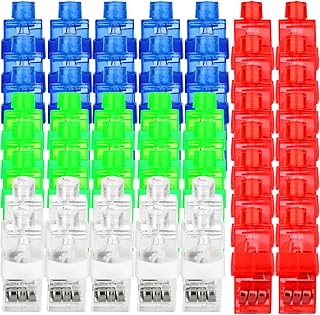 60Pcs LED Finger Lights Flashlights for Kids Glow Party Favors Birthday Christmas Halloween Supplies
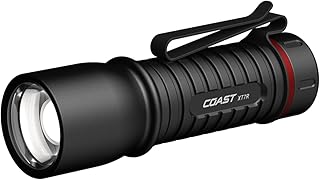 XT7R 1500 Lumen Rechargeable LED Flashlight with Magnetic Mount, Slide Focus, and Pocket Clip, Black
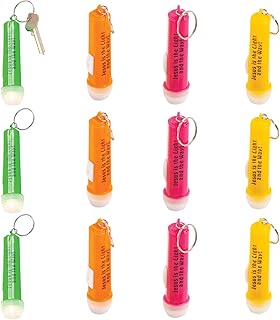 Express Jesus is The Light Flashlight Key Chains (Set of 12) Religious Party Supplies - VBS 2026 Vacation Bible School Supplies/Decor
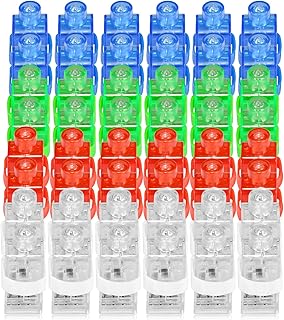 CADE ELECTRONIC Finger Lights- 50Pcs Finger Flashlights for Kids-Bachelorette Party Favors - Party Supplies for Parties Cheering Novelty Toys for Kids, Adult