Why this guide matters for B2B buyers
Flashlight procurement for importers, wholesalers, distributors and project contractors is more than choosing the brightest model. Flashlight specifications, battery chemistry, certifications, packaging, logistics and after-sales support determine total cost of ownership, warranty claims and resale success. This guide helps global buyers evaluate options, mitigate risk and partner effectively with a manufacturer like JECTE.
Primary decision drivers
Start by ranking the buyer drivers for your market. Differences in priorities change the specification and sourcing approach.
- Performance: lumens, beam distance, beam pattern, color temperature.
- Runtime & battery: runtime at target output, battery type and rechargeability.
- Durability: IP rating, drop/impact rating, materials and finish.
- Regulatory & safety: certifications and lithium battery compliance.
- Price and margin: target landed cost, volume discounts, MOQ.
- After-sales: warranty terms, spare parts, repairability.
- Customization: branding, packaging, color, firmware or mode programming.
Key flashlight specifications explained
Lumen output and usable light
Lumen numbers are a headline metric, but focus on usable light: candela (beam intensity) and lux at working distances. For example, high lumens with a wide flood are better for close-range tasks; high candela targets long-distance searchlights. Request photometric data from suppliers where possible.
Beam pattern and optics
Beam shape—spot, flood or adjustable—affects use cases. Fresnel or TIR optics provide different beam quality. Inspect sample units for real-world beam edges, hot spots and corona that affect perceived quality.
Runtime and power curve
Ask suppliers for runtime at specific output levels, and for the power curve over time. Many flashlights advertise runtime at low modes; ensure advertised figures match typical modes buyers will use.
Battery chemistry and format
Primary (non-rechargeable) alkaline or lithium and rechargeable NiMH or Li-ion cells each have trade-offs:
- Alkaline: low cost, widely available, single-use.
- Primary lithium (CR123A, AA Li): high energy, long shelf life, shipping restrictions.
- NiMH (rechargeable AA/AAA): safer for shipping, moderate energy density.
- Protected Li-ion (18650, 21700): highest energy and compact size; requires charging solution and compliance with UN/DG shipping rules.
Charging method
Common charging options include micro-USB/USB-C, magnetic pogo-pin, external chargers or removable cells. USB-C is becoming the industry standard for convenience and durability. Verify charge time, charge cycles and circuit protection features.
Durability: IP and impact ratings
Ingress Protection (IP) ratings indicate water and dust resistance (IPX4, IPX7, IP68). Seek verified test reports. Impact ratings or MIL-STD drop tests (e.g., 1m, 2m) indicate ruggedness for industrial or field use.
Materials and finish
Aluminum alloys with Type III hard-anodized finishes are common for value and performance. Stainless steel or polymer housings may suit marine, medical or low-cost retail segments. Consider corrosion resistance, chemical exposure, and grip/ergonomics.
Switches and user interface
Tail-switch momentary vs. forward-click, side-switches for mode cycling, and lockout features matter for professional applications. Programmable modes and thermal step-down are valuable for thermal management in high-output models.
Thermal management
High-output LEDs generate heat; effective thermal design—heatsinks, aluminum bodies and firmware thermal regulation—ensures consistent performance and extends LED life.
Compliance, safety and labeling
Compliance reduces customs delays and liability. Required documentation depends on market and battery type.
- CE, RoHS: Mandatory in EU for electronics and material compliance.
- FCC: Necessary for flashlights with wireless or RF components.
- UN 38.3 testing: Required for lithium batteries in air transport.
- Battery labeling and MSDS/UN documentation: Required for shipping and import clearance.
- Local approvals: Some clients require country-specific safety approvals or markings.
Packaging, MOQ and pricing
Balance unit cost, protective packaging, shelf display and shipping efficiency. Buyers should request FOB and landed cost quotes at multiple breakpoints to understand pricing tiers.
- MOQ: Negotiate depending on customization; manufacturers often offer smaller MOQs for standard models and higher ones for OEM tooling or custom colors.
- Packaging: Retail-ready packaging increases per-unit cost but can drive higher margins for wholesalers and retailers.
- Volume discounts: Request tiered pricing (e.g., 500, 2,000, 10,000 units) and clarify if battery inclusion affects price.
Customization and private label
B2B buyers often need branding, packaging design, model selection or firmware changes. Assess supplier capabilities:
- Laser engraving or pad printing for logos and serial numbers.
- Custom packaging inserts, manuals and multi-language labeling.
- Firmware programming: mode order, brightness presets and lock modes.
- Accessory bundling: holsters, lanyards, chargers and spare batteries.
Testing and quality assurance
Insist on third-party testing and factory QA practices. Recommended documents and tests to request:
- Photometric reports (ANSI/NEMA FL-1 or equivalent) for lumen and beam data.
- IP and drop test reports with date and lab details.
- Battery UN38.3 test reports and cell manufacturer traceability.
- Production inspection: pre-shipment inspection (PSI) and sample inspection reports.
Logistics and dangerous goods handling
Battery type determines shipping constraints. Non-rechargeable alkaline has minimal restrictions; lithium cells and batteries invoke dangerous goods regulations and extra freight costs. Work with suppliers to provide:
- Correct UN documentation and battery declaration forms.
- Approved packaging for air and sea freight.
- Options for shipping cells separately or shipping lights without batteries to reduce restrictions.
Warranty, repairs and spare parts
Longer warranties convey confidence; typical manufacturer warranties range from 1 to 5 years depending on product tier. Clarify:
- Warranty scope: defects vs. wear and tear, battery coverage.
- RMA process and lead times for replacements.
- Availability and pricing of spare parts: o-rings, switches, optics and batteries.
Supplier selection checklist
Use this checklist when evaluating manufacturers and suppliers:
- Does the supplier provide photometric reports and test certificates?
- Are battery sources traceable and compliant with UN38.3?
- Can the supplier meet your MOQ, lead time and pricing targets?
- Are OEM/ODM customization options and minimums acceptable?
- Is there a documented QA process and willingness to allow third-party testing?
- What are warranty terms and spare-parts availability?
- Can the supplier handle DGR documentation and packaging for shipments?
Sample evaluation protocol
Before committing to production or bulk orders, validate performance with a structured sample test:
- Field test: Operate the flashlight at all modes for extended periods to check thermal behavior and runtime.
- Photometry: Measure lumens and beam profile in a darkroom or request third-party lab reports.
- Drop and water tests: Verify IP and impact claims with real-world tests.
- Battery endurance: Cycle rechargeable units and measure capacity retention after a set number of cycles.
- User-test: Distribute samples to end-users or contractors to collect feedback on ergonomics and UI.
Commercial negotiation and contract tips
Negotiating with a manufacturer should aim beyond unit price. Consider:
- Price breaks tied to confirmed order volumes and multiple shipment schedules.
- Sample costs credited to the first production run.
- Lead time guarantees with penalties for significant delays.
- Defined packaging, labeling and certification deliverables in the purchase contract.
- Support for marketing materials, images and spec sheets to reduce time-to-market.
Use-case recommendations by sector
Match flashlight types to end-market segments to guide SKU decisions:
- Industrial & maintenance: Durable aluminum housings, high IP rating, easy serviceability and long warranty.
- Emergency services & public safety: High-output spot beams, strobe/SOS modes, reliable rechargeable systems with belt holsters.
- Retail & consumer: Attractive design, multiple color options, retail packaging and competitive pricing.
- Mining & oil & gas: Intrinsically safe or explosion-proof options where required; ruggedized materials.
Working with JECTE as your flashlight manufacturer
As a lighting manufacturer and industrial supply partner, JECTE supports global buyers with end-to-end flashlight solutions: product development, testing and certifications, OEM/ODM customization, scalable production, and DGR logistics for battery shipments. JECTE can provide photometric data, UN38.3 documentation, customizable branding and tiered pricing for distributors and contractors. Buyers benefit from combined product engineering and supply-chain coordination to reduce time-to-market and minimize after-sales risk.
Final checklist before placing an order
- Confirm performance specs with lab reports and validated samples.
- Verify battery compliance and shipping documentation.
- Agree packing, labeling and warranty terms in writing.
- Negotiate tiered pricing, MOQ and lead times with penalties for missed deadlines.
- Plan a warranty and spare-parts strategy to support sales channels.
Conclusion
For importers, wholesalers, distributors and project contractors, selecting the right flashlight is a strategic decision that impacts product performance, regulatory compliance and margin. Prioritize validated photometric performance, appropriate battery chemistry, certified safety and a supplier that offers testing, customization and DGR support. Partnering with a manufacturer like JECTE that can combine engineering, certification and supply-chain services reduces procurement risk and accelerates market entry.
To evaluate options tailored to your market and volume, request a product brief, sample and full compliance package from JECTE to begin a technical and commercial partnership.
Related Products
Explore related products from JECTE for your next sourcing project.
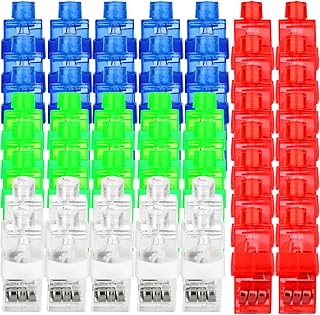 60Pcs LED Finger Lights Flashlights for Kids Glow Party Favors Birthday Christmas Halloween Supplies
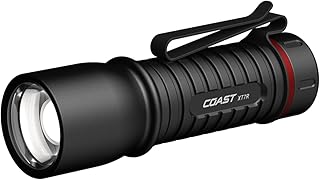 XT7R 1500 Lumen Rechargeable LED Flashlight with Magnetic Mount, Slide Focus, and Pocket Clip, Black
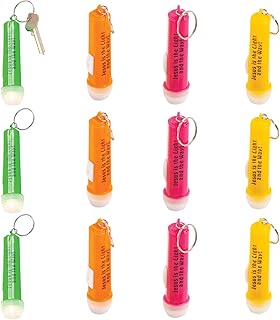 Express Jesus is The Light Flashlight Key Chains (Set of 12) Religious Party Supplies - VBS 2026 Vacation Bible School Supplies/Decor
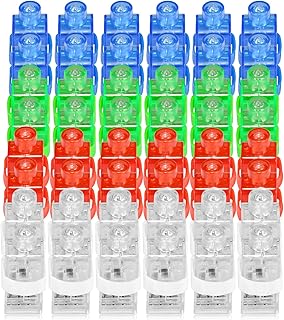 CADE ELECTRONIC Finger Lights- 50Pcs Finger Flashlights for Kids-Bachelorette Party Favors - Party Supplies for Parties Cheering Novelty Toys for Kids, Adult