Introduction: Why the right flashlight choice matters for B2B buyers
Flashlights remain a core product category across retail, industrial, security, emergency preparedness, and professional tool markets. For importers, wholesalers, distributors, and project contractors, choosing the right flashlight is not only about lumen claims—it's about reliability, certification, supply chain economics, and fitness for purpose. This guide explains key technical specs, manufacturing and quality considerations, and commercial factors to help you source flashlights that sell, perform, and conform to regulations.
Understand core flashlight types and use cases
Defining the end use narrows your specification list quickly. Common flashlight categories include:
- Everyday carry (EDC): Compact, lightweight, designed for consumers and professionals who need a pocket-size tool.
- Tactical: Rugged, high-output models for security, law enforcement, and military uses; often with tail switches and strike bezels.
- Worksite/Utility: Durable, impact resistant, often with multiple mounting or hands-free options for contractors and maintenance crews.
- Search & Rescue: Long-beam distance and high lumen output, with specialized optics and rechargeable capabilities.
- Safety & Emergency: Models with strobe, SOS, or beacon modes, often with battery-saving features and visible color options.
- Specialized (ATEX/Marine): Explosion-proof or corrosion-resistant flashlights for hazardous zones and maritime environments.
Key technical specifications to evaluate
When comparing products, standardize on a set of measurable specifications to ensure consistent procurement decisions.
Lumen output and beam pattern
Lumen measures total light output. Consider both peak lumens and usable output after thermal regulation. Beam pattern (flood vs. spot) affects application: flood is better for close-up work, spot for long-distance illumination. For many buyers, an ANSI/NEMA FL1-standardized lumen and beam distance specification allows apples-to-apples comparisons.
Runtime and battery type
Runtime at various modes (high/medium/low) is critical. Pay attention to the battery type: disposable (AA/CR123A) vs. rechargeable (Li-ion 18650/21700 or integrated battery). Rechargeable options often deliver better total cost of ownership, but require consideration of charging infrastructure and spare batteries.
Beam distance and candela
Beam distance is usually correlated to candela (intensity). Candela and ANSI FL1 beam distance provide a predictable measure. For search or security markets, prioritize candela and throw. For general work lights, prioritize lumen and flood coverage.
Durability: impact and ingress protection
Look for impact ratings (e.g., 1m, 2m drop) and IP ratings for dust/water resistance (IPX4, IPX7, IP68). Industrial buyers often require IP67+ and higher impact resistance for tool-class flashlights.
Materials and construction
Aluminum (often 6061-T6) with anodized finishes is common for balance between weight and strength. Consider polycarbonate or reinforced plastics for budget models. Corrosion-resistant coatings and stainless steel components are important for maritime or outdoor use.
Temperature and thermal management
High-output LEDs generate heat; effective thermal dissipation prevents output throttling. Check for thermal control features and rated operating temperature ranges for extreme climates.
Switch types and ergonomics
Tail switches, side switches, rotary bezels, and electronic switches each suit different markets. Tactical users often prefer quick-access tail switches; consumers may favor simpler side-switch controls. Consider pocket clips, lanyard attachment points, and anti-roll features.
Compliance, certifications, and testing
Regulatory and safety compliance affects market access and buyer confidence. Verify and request documentation for all relevant certifications.
Electrical and product safety
CE and RoHS are baseline requirements for Europe. For North America, UL recognition or equivalent safety marks for chargers and battery packs add value. For export to other regions, check local product safety requirements and import regulations.
Performance standards
ANSI/NEMA FL1 provides industry-standard testing for lumen output, runtime, beam distance, and impact/IP ratings; use it to validate supplier claims. Request test reports or third-party lab certificates where available.
Specialized certifications
For hazardous environments, seek ATEX, IECEx, or FM approvals for explosion-proof flashlights. Marine environments may require MIL-STD-810 shock testing or salt-fog corrosion resistance reports.
Supply chain and manufacturing considerations
Beyond product specs, evaluate the supplier’s manufacturing capability, lead times, quality control processes, and commercial flexibility.
Factory capability and capacity
Confirm that the manufacturer can scale to your order size, including seasonal spikes. Inspect production lines for consistent component sourcing (LEDs, drivers, battery cells), tooling, and assembly processes.
Minimum order quantities (MOQs) and pricing tiers
Discuss MOQs and sliding scale pricing. Many manufacturers offer lower MOQs for sample runs and tiered pricing that reduces unit cost significantly at higher volumes. Factor customs duties and inland freight into landed cost calculations.
Private label and customization
Requests commonly include branding (laser engraving, printed logos), custom packaging, color and finish options, and firmware tweaks (mode programming). Confirm tooling costs, lead time impacts, and minimum quantities for customization.
Components and replacement parts
Ask about spare parts availability (lens, O-rings, switches, chargers), repair protocol, and service life. A manufacturer who provides spares and clear repair instructions reduces total cost of ownership and supports warranties.
Quality control and inspection
Robust QC minimizes defects, returns, and reputational risk. Specify the inspection and testing regime you require.
Incoming materials inspection
Verify that suppliers inspect LED bins, battery certification, and electronic driver tolerance. Component variability—especially for LEDs and batteries—affects performance and reliability.
In-process and final inspection
Require documented in-process checks and final acceptance testing. Tests may include output measurement with an integrating sphere, runtime verification, waterproofing tests, and drop tests. Consider pre-shipment third-party inspection for high-volume or new suppliers.
Sampling and acceptance criteria
Define acceptable quality levels (AQL) and sample sizes for production lots. Include remedial actions for failed lots and clear warranty terms.
Commercial terms: warranties, lead times, and after-sales
Clarity in commercial terms prevents disputes and fosters long-term partnerships.
Warranty and returns
Typical warranties range from 1 to 5 years depending on the market and product class. Ensure warranty covers manufacturing defects, and define return logistics and RMA procedures.
Lead times and inventory strategies
Confirm standard lead times for stocked vs. custom items. Discuss safety stock levels, consignment stocking, and scheduled replenishment to balance inventory carrying costs and service levels.
After-sales support and training
Technical documentation, user manuals in key languages, and product training for distribution partners reduce consumer returns and improve reseller success. Consider co-branded marketing materials and POP displays for retail channels.
Pricing strategy and margin planning
Calculate landed cost including unit price, tooling, packaging, shipping, duties, and local handling. Evaluate MSRP positioning based on product class and intended channel—bulk distributors may prioritize low unit cost, while specialty distributors may tolerate higher cost for superior specs and warranty.
Logistics and packaging considerations
Packaging affects both protection and retail appeal. For export, ensure packaging meets transit durability standards and complies with wood packaging regulations and labeling requirements.
Retail vs. bulk packaging
Decide whether you'll import retail-ready boxed units or bulk shipers. Retail packaging should include UPC/GTIN labels, multilingual instructions, and compliance marks. Bulk shipments reduce cost per unit but may increase handling for downstream distribution.
Freight and customs
Plan for port-to-door logistics, customs clearance documentation, and potential compliance checks for battery-containing products. Lithium battery shipments may require special handling and documentation (IATA/IMDG regulations).
How JECTE supports global buyers
As a lighting manufacturer and industrial supply partner, JECTE works with importers, wholesalers, distributors, and contractors to align product specifications with market demand. JECTE can assist with specification development, sample provisioning, verification testing, private-label options, and volume production. When assessing suppliers, prioritize partners that provide transparent testing data, flexible MOQs, and traceable component sourcing.
Checklist: Buying a flashlight—questions to ask suppliers
- Can you provide ANSI/NEMA FL1 test reports for lumen, beam distance, runtime, and IP/impact ratings?
- What is the exact LED model, driver type, and battery chemistry used?
- Do you offer rechargeable options and charging accessories? Are chargers CE/UL certified?
- What are your MOQs, production lead times, and price breaks?
- What warranty do you offer and how are RMAs handled?
- Can you provide sample units and a pre-shipment inspection report?
- Do you support private labeling, custom firmware/mode programming, or unique packaging designs?
- Are lithium batteries shipped with appropriate documentation and compliant packaging?
- What spare parts are available and for how long after purchase?
- Can you provide references or case studies for similar customers and markets?
Conclusion: Mitigating risk and maximizing value
Sourcing flashlights for wholesale and project use requires attention to technical performance, compliance, manufacturing consistency, and commercial terms. Standardize your evaluation criteria—based on ANSI/FL1 metrics, material specs, IP/impact ratings, and battery safety—and insist on documented testing and transparent component sourcing. Engage suppliers who offer flexible MOQs, customization, and robust after-sales support to reduce risk and improve market acceptance. Partnering with manufacturers experienced in B2B supply, like JECTE, helps align product capabilities with channel needs and ensures smoother scaling from sample to volume shipments.
Use the checklist above during supplier evaluation and include QC milestones in contracts. With the right technical brief and commercial safeguards, you can secure high-performing flashlights that meet regulatory requirements and deliver predictable margins across your markets.
Related Products
Explore related products from JECTE for your next sourcing project.
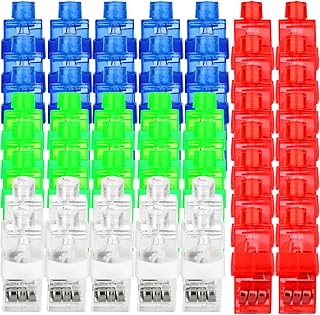 60Pcs LED Finger Lights Flashlights for Kids Glow Party Favors Birthday Christmas Halloween Supplies
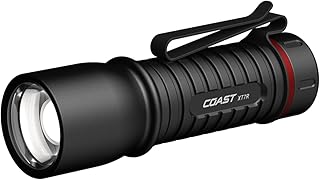 XT7R 1500 Lumen Rechargeable LED Flashlight with Magnetic Mount, Slide Focus, and Pocket Clip, Black
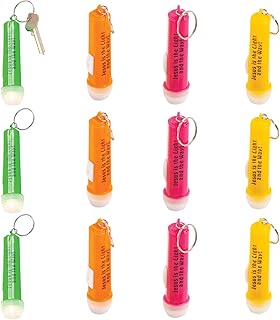 Express Jesus is The Light Flashlight Key Chains (Set of 12) Religious Party Supplies - VBS 2026 Vacation Bible School Supplies/Decor
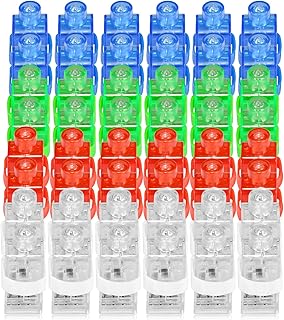 CADE ELECTRONIC Finger Lights- 50Pcs Finger Flashlights for Kids-Bachelorette Party Favors - Party Supplies for Parties Cheering Novelty Toys for Kids, Adult