Why this guide matters for procurement teams
Flashlights are simple in concept but complex in procurement. For importers, wholesalers, distributors and project contractors, buying flashlights at scale means balancing performance, compliance, supply-chain constraints and end-market needs. This guide helps you evaluate technical specs, certifications, production options and logistics to reduce risk and improve margins.
Understand flashlight market segments and buyer needs
Different applications demand different features. Begin by categorizing the flashlights you need so suppliers can propose appropriate models and pricing.
- General purpose / consumer: affordable, simple rechargeable or alkaline, retail-ready packaging.
- Industrial / trade: durable housings, long runtime, anti-slip grips, magnetic bases, USB-C or integrated charging.
- Tactical / law enforcement: high output (lumens), strobe, rail mounts, tail switches, rugged anodized aluminum.
- Inspection / utility: adjustable beam, low-glare modes, color temperature options, compact form factors.
- Intrinsically safe: certified for hazardous environments (mining, oil & gas) with ATEX / IECEx approvals.
- Search & rescue / maritime: very long throw, waterproof to IPX8, SOLAS or maritime approvals when required.
Key technical specifications to request
When requesting quotations or samples, include detailed specs to avoid mismatches. Reference the ANSI/NEMA FL1 testing standard where applicable.
- Lumen output (high / medium / low) and beam distance (meters). Ask for measured values under FL1 standards.
- Runtime (hours) at specific modes and the test conditions used.
- LED type and binning (e.g., Cree XP-L, Nichia) and expected luminous maintenance (L70 at X hours).
- Driver type (regulated vs unregulated, PWM presence) and dimming control method.
- Power source: battery chemistry (Li-ion 18650/21700, NiMH, alkaline), rechargeable system (USB-C, magnetic), battery management/PCB features.
- Housing material and finish (6061-T6 aluminum, die-cast, polycarbonate), anodizing class (Type II/Type III), corrosion resistance.
- Ingress and immersion rating (IPX4–IP68) and impact/drop rating (e.g., MIL-STD-810G results).
- Size, weight, holster compatibility, mounting options and accessory interfaces.
- Operating temperature range and thermal management (heat sink design).
Compliance, certifications and standards
International buyers must verify certificates that match end-market regulations and customer requirements. Missing certificates can delay customs clearance and project deployment.
- Safety and EMC: CE (EU), UKCA (UK), FCC (US) where applicable.
- Battery safety: UN 38.3 testing for lithium battery transport; IEC 62133 for cell and battery safety.
- Hazardous locations: ATEX, IECEx and local mining approvals for intrinsically safe flashlights.
- Ingress/impact: IPX ratings and documented test reports; MIL-STD for military or professional spec buyers.
- Environmental: RoHS, REACH declarations for chemical compliance.
- Maritime: SOLAS, IMO wheel markings when required for lifesaving equipment or shipboard use.
Battery selection and shipping constraints
Batteries drive cost, performance and logistics. Lithium batteries create special shipping and regulatory burdens—plan procurement and transport accordingly.
- Battery types: Li-ion (high energy, rechargeable), LiFePO4 (safer thermal profile), NiMH (safer than lithium, rechargeable), alkaline (disposable, lower cost).
- UN 38.3 is mandatory for lithium cells and batteries shipped by air or sea. Ensure supplier provides test reports and cell manufacturer traceability.
- Air freight restrictions: IATA Dangerous Goods Regulations limit lithium battery shipments. Many buyers prefer sea freight for bulk orders to avoid air freight paperwork and higher costs.
- Battery-in-product vs separate battery shipping: Shipping products with installed batteries may permit different restrictions than loose cells. Confirm with your freight forwarder and supplier.
- Labeling and documentation: Include battery handling labels, MSDS, and any special packaging to comply with destination country rules.
Manufacturing and customization options
Working with a manufacturer that offers ODM/ OEM services enables differentiation. Understand minimums, lead times and costs.
- Private label / OEM: Options for logo laser engraving, color variations, retail packaging and inserts. Ask for mockups and packaging proofs.
- ODM development: Modify beam optics, electronics, thermal design, or user interface. Expect higher NRE tooling and engineering costs for new housings or molds.
- Minimum order quantities (MOQ): Typical MOQs range widely—small runs 500–1,000 units for simple models, higher for custom tooling. Negotiate sample runs for evaluation.
- Sample process: Clarify sample lead time and cost. Expect 1–4 weeks for off-the-shelf samples and 4–12+ weeks for customized prototypes.
- Unit cost drivers: LED bin, battery chemistry, driver complexity, anodizing quality, IP and impact ratings, certification costs and packaging sophistication.
Quality control, testing and inspection
Robust QC protects your brand and prevents post-sale returns. Include testing milestones in contracts.
- Incoming material checks for LEDs, cells, PCBs and housings.
- Functional tests: light output (integrating sphere or lux meter under FL1 conditions), mode operation, charging cycle verification.
- Environmental tests: thermal cycling, vibration, salt spray for corrosion resistance where required.
- Battery tests: capacity, short-circuit protection, over-discharge and overcharge protection checks.
- Aging and burn-in: 24–72 hour burn-in for electronic stability and early-failure detection.
- Third-party testing: Use independent labs for ATEX/IECEx, UN38.3 and EMI/EMC where certification is contractually required.
Packaging, labeling and retail considerations
Packaging impacts sales, storage and shipping. Request packaging proposals that match your sales channels.
- Retail vs bulk packaging: Blister or retail boxes vs shrink-wrapped multipacks for wholesalers.
- Retail-ready information: multilingual manuals, warranty cards, UPC/EAN/GTIN barcodes and QR codes for online product pages.
- Packing configuration: units per inner box, master carton sizes, carton strength (CTN rating) and palletization patterns to optimize freight costs.
- Environmental packaging: recyclable materials and reduced plastic options are increasingly important for European and North American markets.
Logistics, lead times and costing
Plan logistics early. Lead times and shipping costs can change margins dramatically and affect project timelines.
- Typical lead times: off-the-shelf models 2–6 weeks; customized models 8–16 weeks plus certification time.
- Shipping modes: sea freight is cost-effective for bulk orders; air freight may be necessary for urgent deliveries but costlier and subject to lithium battery rules.
- Freight cost drivers: weight and volumetric weight, palletization efficiency, and seasonal surcharges.
- Incoterms: Define responsibilities (FOB, CIF, DDP etc.) to avoid disputes. Clarify who arranges customs clearance and duty payments.
Warranty, returns and after-sales support
Strong after-sales terms build distributor and contractor confidence. Define warranty processes clearly in purchase agreements.
- Standard warranty lengths: 1–5 years depending on product class and battery policy.
- RMA process: Turnaround time, who bears shipping cost, and acceptable failure rates. Set expected defective rates and remedies (replacement, repair, credit).
- Spare parts and serviceability: Availability of spare batteries, chargers and o-rings increases product lifespan and supports commercial sales channels.
- Technical documentation and training: Provide datasheets, troubleshooting guides and sales training materials for distributors and contractors.
Sample RFQ checklist for flashlights
Use this checklist when requesting quotes to get comparable bids quickly.
- Product application and target segment.
- Required technical specs: lumens, beam distance, runtime, battery type, dimensions.
- Required certifications: CE, FCC, UN38.3, ATEX/IECEx, RoHS, REACH.
- Packaging requirements and labeling languages.
- MOQ, target unit price and desired order quantity.
- Lead time expectations for samples and production.
- Incoterm and preferred shipping method.
- Warranty terms and expected defects rate targets.
How JECTE can support your flashlight procurement
As a manufacturer and industrial supply partner, JECTE provides turnkey solutions for global buyers. We offer product development, ODM and OEM services, documented testing, and assistance with battery compliance and logistics. A transparent QC process and customizable packaging help shorten time-to-market and improve resale margins.
What to request from JECTE
- Sample units with measured FL1 test reports and battery test documentation.
- Complete bill of materials and sourcing traceability for critical components.
- Prototype lead times and NRE estimates for custom tooling or electronics.
- Packaging mockups and shelf-ready solutions tailored to your market.
- Documentation for customs and shipping, including HS codes and safety declarations.
Negotiation tips and long-term sourcing strategy
Think beyond unit price. Favor suppliers that can demonstrate consistent quality, regulatory awareness and responsive after-sales support. Build multi-year forecasts into contracts to secure better pricing and priority production slots.
- Volume tiers: Negotiate stepped price breaks tied to forecasted volumes.
- Quality KPIs: Include acceptable defect rates, on-time delivery targets and penalties for missed milestones.
- Supply diversification: Keep at least two qualified suppliers for critical SKUs to mitigate disruptions.
- Continuous improvement: Schedule regular product reviews and test result updates, including LED bin shifts and battery cell changes.
Final checklist before placing an order
- Sample approval completed with documented test data under required standards.
- All required certifications and test reports received and verified.
- UN 38.3 and shipping plan for lithium batteries if applicable.
- Clear MOQ, pricing, payment terms and agreed lead times in the purchase order.
- Packaging, labeling, and barcodes approved for target markets.
- Warranty and RMA processes documented and accepted.
Selecting the right flashlight supplier is a strategic decision. Proper specification, compliance diligence and clear contractual terms protect margins, brand reputation and project timelines. For importers, wholesalers, distributors and project contractors seeking a reliable manufacturing partner, JECTE can provide tailored flashlight solutions—from commodity models to certified specialty products—to meet global market requirements.
Related Products
Explore related products from JECTE for your next sourcing project.
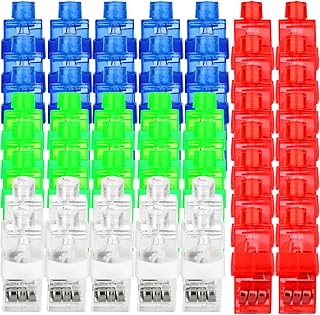 60Pcs LED Finger Lights Flashlights for Kids Glow Party Favors Birthday Christmas Halloween Supplies
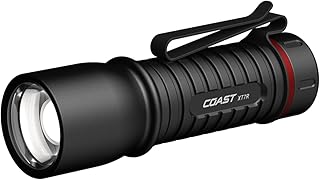 XT7R 1500 Lumen Rechargeable LED Flashlight with Magnetic Mount, Slide Focus, and Pocket Clip, Black
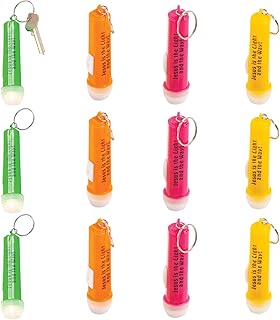 Express Jesus is The Light Flashlight Key Chains (Set of 12) Religious Party Supplies - VBS 2026 Vacation Bible School Supplies/Decor
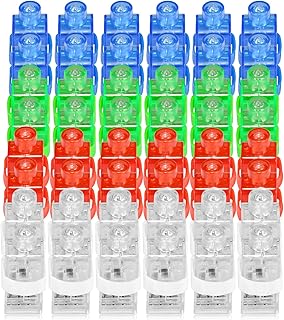 CADE ELECTRONIC Finger Lights- 50Pcs Finger Flashlights for Kids-Bachelorette Party Favors - Party Supplies for Parties Cheering Novelty Toys for Kids, Adult